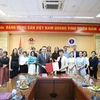
Deputy Prime Minister Vu Duc Dam chairs the meeting of the National Steering Committee for COVID-19 Prevention and Control on April 27 (Photo: VNA)
 Hanoi (VNA) – Deputy Prime Minister Vu Duc Dam on April 27 stressed the need to continue with measures for COVID-19 prevention, detection, quarantine, sealing off, stamping out and effective treatment.
At a meeting of the National Steering Committee for COVID-19 Prevention and Control, Dam, who is also head of the committee, pointed out the high risk of pandemic spreading from neighbouring countries and transmissions through foreign experts and Vietnamese citizens returning home from abroad.
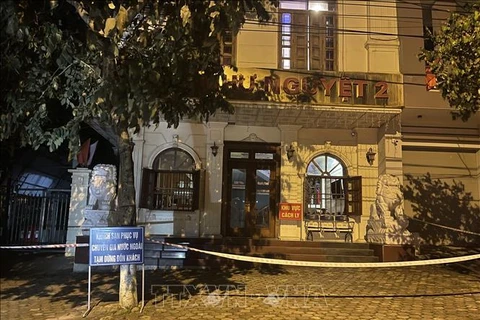
He cited a report by the health ministry as saying that a hotel staff member in Yen Bai province who had close contact with Indian experts was confirmed positive for the coronavirus.
Apart from increasing inspections in border areas, relevant forces and all-level Party Committees and administrations need to encourage people, especially border residents, to report returnees from foreign countries to competent agencies.
Any illegal entrants must be strictly handled, Dam requested, asking the Ministry of Information and Communications to step up IT application in order to serve inspections in border areas.
Overseas Vietnamese should limit travelling and observe preventive measures set by host countries. They can register for returning home in case of necessity, the Deputy PM said.
At the meeting, the committee proposed the Government not charge those who enter Vietnam via land borders for COVID-19 testing and quarantine as most of them are in difficult circumstances.
At a meeting of the National Steering Committee for COVID-19 Prevention and Control, Dam, who is also head of the committee, pointed out the high risk of pandemic spreading from neighbouring countries and transmissions through foreign experts and Vietnamese citizens returning home from abroad.
He cited a report by the health ministry as saying that a hotel staff member in Yen Bai province who had close contact with Indian experts was confirmed positive for the coronavirus.
Apart from increasing inspections in border areas, relevant forces and all-level Party Committees and administrations need to encourage people, especially border residents, to report returnees from foreign countries to competent agencies.
Any illegal entrants must be strictly handled, Dam requested, asking the Ministry of Information and Communications to step up IT application in order to serve inspections in border areas.
Overseas Vietnamese should limit travelling and observe preventive measures set by host countries. They can register for returning home in case of necessity, the Deputy PM said.
At the meeting, the committee proposed the Government not charge those who enter Vietnam via land borders for COVID-19 testing and quarantine as most of them are in difficult circumstances.
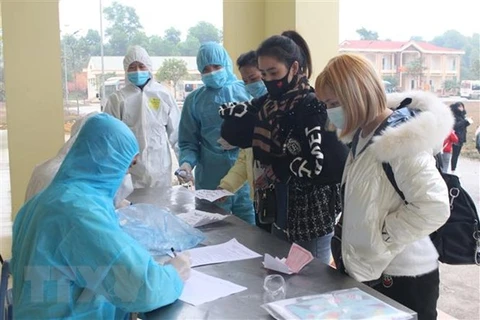
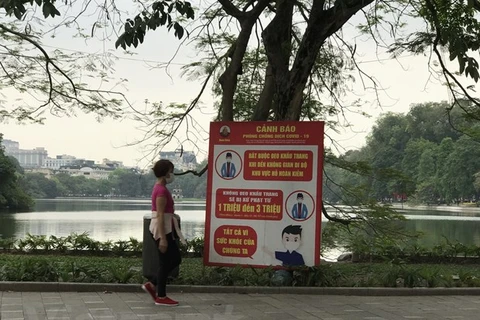
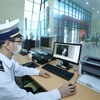
 Inspections at border areas have been tightened to prevent COVID-19. (Photo: VNA)
 Vietnam will continue to conduct flights to bring overseas Vietnamese home, in accordance with the pandemic situation in the region, host countries and Vietnam, the meeting heard.
Regarding Vietnamese nationals in India, the Ministry of Foreign Affairs reported that the Vietnamese Embassy has been working to repatriate those who want to go home in the time ahead.
The committee asked vulnerable localities, especially southwestern provinces, to enhance their testing capacity, and assigned relevant ministries and agencies to review quarantine capacity.
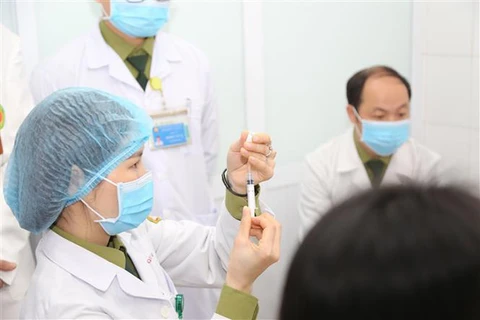
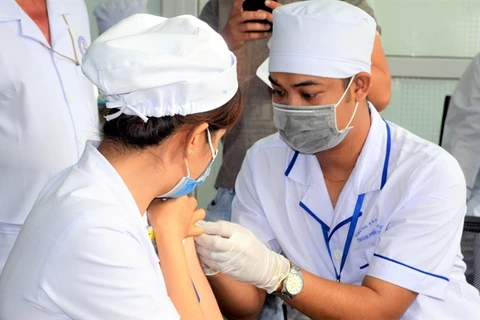
It also suggested the Ministry of Health press ahead with COVID-19 vaccinations, promptly negotiate to access foreign vaccine supplies, and step up domestic vaccine research and production.
As of April 27, Vietnam had reported 2,857 COVID-19 cases, including 1,570 domestically-transmitted infections.
As many as 2,516 patients have been given the all-clear so far. The number of fatalities remains at 35.
The country has gone through 33 consecutive days without domestically-transmitted cases./.
VNA