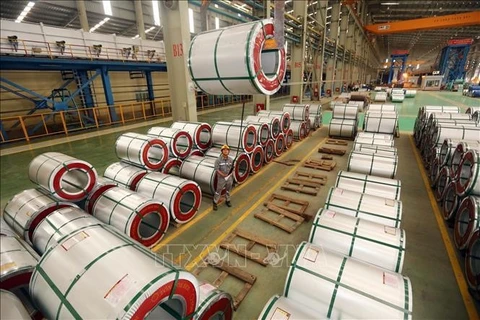
A steel factory in Vietnam (Source: www.sggp.org.vn)
 Hanoi (VNA) - With an array of free trade agreements (FTAs) inked and coming into force, countries around the world have also increased technical barriers to protect their domestic industries, exposing many Vietnamese businesses to the risk of losing markets if they lack thorough preparations.
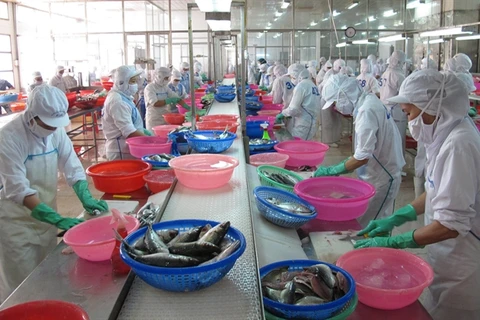
Vietnamese exports are currently facing more than 170 trade remedy lawsuits in many countries and territories, with 80 percent related to the steel sector, according to the Trade Remedies Authority of Vietnam (TRAV) at the Ministry of Industry and Trade (MoIT).
The Vietnam Steel Association said Southeast Asia is the destination of 60 percent of total steel exports, while other markets include Europe, the US, Australia, and the Eurasian Economic Union (EAEU). However, export opportunities are at risk of being narrowed as a number of major markets, like the US, the EU, Australia, some ASEAN countries, and the EAEU, have launched lawsuits against Vietnamese goods.
For example, in December 2019 the US Department of Commerce imposed duties of up to 456 percent on certain corrosion-resistant steel products and cold-rolled steel processed in Vietnam using materials from the Republic of Korea (RoK) and Taiwan (China).
The Australian Anti-Dumping Commission recently initiated anti-dumping and anti-subsidy probes into several aluminium-zinc coated steel products from Vietnam and elsewhere.
Earlier, after the Comprehensive and Progressive Agreement for Trans-Pacific Partnership (CPTPP) was signed, many steel producers boosted exports to Canada, which is also a member of the deal. In response, the Canadian Government immediately carried out an investigation into Vietnamese steel.
According to the Canada Border Services Agency’s preliminary conclusions, corrosion-resistant steel from Vietnam was dumped at margins of between 36.3 percent and 91.8 percent, and corresponding temporary duties will be imposed.
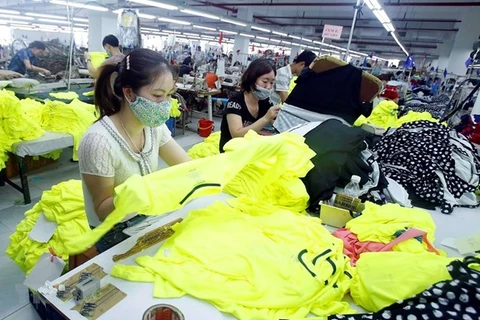
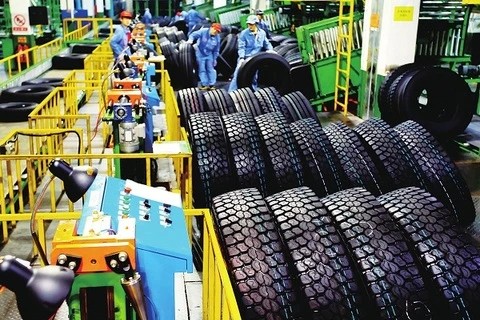
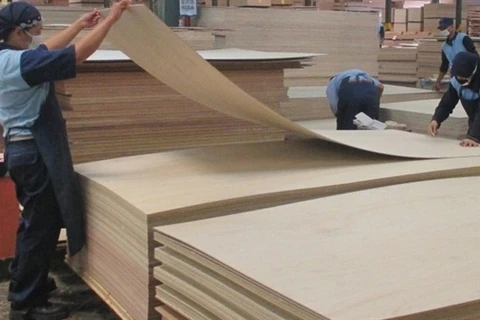
Apart from steel, Vietnamese products such as car bodies, lawn mowers, foam mattress, polyester spun yarn, and 6mm-thick MDF board are also at risk from safeguard measures being imposed in many markets, mainly the US, the RoK, India, Indonesia, Australia, and Thailand.
TRAV said that in order to protect Vietnamese products, the MoIT has swiftly assisted businesses subject to such investigations to complete the necessary paperwork for submission to foreign agencies. It has also sent documents to those countries expressing concern about their probes into Vietnamese exports.
To help reduce the risks posed by such trade remedy barriers, the ministry has submitted a draft plan on building and operating an early warning system for trade remedies to the Government, the authority noted, adding that actions in the initial stage of investigations are critical to minimising any adverse impact on exporters.
It also suggested businesses proactively reform their production processes and ensure product origin is transparent, considering the use of locally-sourced materials as a guarantee for their exports.
Economic experts said that as market developments will remain complicated in the time ahead, enterprises and their associations need to work closely with ministries and sectors to deal with trade remedy lawsuits and, more importantly, prevent origin fraud by foreign goods.
To help protect domestic firms, the MoIT will also carry out trade remedy inspections against imported goods.
For example, it applied official anti-dumping duties, with 23.71 percent being the highest, on certain products with biaxially oriented polypropylene (BOPP) film originating from China, Thailand, and Malaysia on July 20. Earlier, it received a request for an anti-dumping probe into H-shaped steel products from Malaysia./.
Vietnamese exports are currently facing more than 170 trade remedy lawsuits in many countries and territories, with 80 percent related to the steel sector, according to the Trade Remedies Authority of Vietnam (TRAV) at the Ministry of Industry and Trade (MoIT).
The Vietnam Steel Association said Southeast Asia is the destination of 60 percent of total steel exports, while other markets include Europe, the US, Australia, and the Eurasian Economic Union (EAEU). However, export opportunities are at risk of being narrowed as a number of major markets, like the US, the EU, Australia, some ASEAN countries, and the EAEU, have launched lawsuits against Vietnamese goods.
For example, in December 2019 the US Department of Commerce imposed duties of up to 456 percent on certain corrosion-resistant steel products and cold-rolled steel processed in Vietnam using materials from the Republic of Korea (RoK) and Taiwan (China).
The Australian Anti-Dumping Commission recently initiated anti-dumping and anti-subsidy probes into several aluminium-zinc coated steel products from Vietnam and elsewhere.
Earlier, after the Comprehensive and Progressive Agreement for Trans-Pacific Partnership (CPTPP) was signed, many steel producers boosted exports to Canada, which is also a member of the deal. In response, the Canadian Government immediately carried out an investigation into Vietnamese steel.
According to the Canada Border Services Agency’s preliminary conclusions, corrosion-resistant steel from Vietnam was dumped at margins of between 36.3 percent and 91.8 percent, and corresponding temporary duties will be imposed.
Apart from steel, Vietnamese products such as car bodies, lawn mowers, foam mattress, polyester spun yarn, and 6mm-thick MDF board are also at risk from safeguard measures being imposed in many markets, mainly the US, the RoK, India, Indonesia, Australia, and Thailand.
TRAV said that in order to protect Vietnamese products, the MoIT has swiftly assisted businesses subject to such investigations to complete the necessary paperwork for submission to foreign agencies. It has also sent documents to those countries expressing concern about their probes into Vietnamese exports.
To help reduce the risks posed by such trade remedy barriers, the ministry has submitted a draft plan on building and operating an early warning system for trade remedies to the Government, the authority noted, adding that actions in the initial stage of investigations are critical to minimising any adverse impact on exporters.
It also suggested businesses proactively reform their production processes and ensure product origin is transparent, considering the use of locally-sourced materials as a guarantee for their exports.
Economic experts said that as market developments will remain complicated in the time ahead, enterprises and their associations need to work closely with ministries and sectors to deal with trade remedy lawsuits and, more importantly, prevent origin fraud by foreign goods.
To help protect domestic firms, the MoIT will also carry out trade remedy inspections against imported goods.
For example, it applied official anti-dumping duties, with 23.71 percent being the highest, on certain products with biaxially oriented polypropylene (BOPP) film originating from China, Thailand, and Malaysia on July 20. Earlier, it received a request for an anti-dumping probe into H-shaped steel products from Malaysia./.
VNA