Vietnamese language contest deepens Vietnam – Laos cultural, educational ties
More than an academic competition, it has become a cultural festival bringing together people who share a passion for the Vietnamese language and culture.
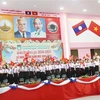
Nguyen Du Lao–Vietnamese Bilingual School in Vientiane occupies a particularly important position, contributing to Vietnamese-language education, cultural preservation and the development of a knowledgeable and skilled young generation, while helping strengthen the special ties between Vietnam and Laos.
Founded in Minsk in July 2016 with just 20 students aged between seven and 14, the class has grown steadily under the dedicated guidance of teacher Nguyen Phuong Dung. Over the past decade, it has provided second- and third-generation Vietnamese children born and raised in Belarus with a valuable opportunity to learn their mother tongue and stay connected to their cultural roots.
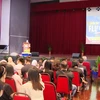
The event brought together nine teams from Lao ministries, educational institutions and Vietnamese language centres, reflecting growing interest in learning Vietnamese among Lao officials and professionals involved in bilateral cooperation activities.
Ngo Phuong Ly, spouse of General Secretary of the Communist Party of Vietnam Central Committee and State President To Lam, on May 30 visited the Lac Hong Vietnamese language class in Singapore.
As bilateral ties between Vietnam and Japan continue to expand, demand for Vietnamese language learning in Japan has also grown rapidly among OVs, educational institutions, businesses and Japanese people interested in Vietnam. Against this backdrop, the introduction of a standardised proficiency test is expected to provide an official and widely recognised benchmark for Vietnamese language skills.
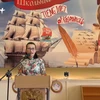
Addressing a forum themed “Honouring the Vietnamese language, preserving identity, connecting the future” in Vientiane on April 27, the ambassador said preserving the language is a shared and long-term responsibility of overseas Vietnamese communities, including those in Laos.
With the Vietnamese community in the RoK now topping 350,000 and still growing, keeping the language alive must become a long-term team effort, not something left only to individual families.
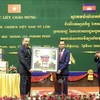
Held in response to the launch of the Vietnamese Language Day among overseas Vietnamese communities, the event aimed to enhance the quality of Vietnamese language teaching and learning in Laos while contributing to the great friendship, special solidarity, comprehensive cooperation and strategic cohesion between the two countries.
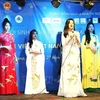
The programme was not merely a competition but also a celebration of creativity, cultural understanding, and the power of language in connecting people.
Speaking at the event, Nguyen Thu Huong from the Consulate General of Vietnam in Fukuoka extended greetings to Vietnamese women and commended the Kyushu Vietnamese community’s efforts to preserve national cultural identity.
Resolution 80 has deepened awareness among overseas Vietnamese of their role as “cultural ambassadors,” connecting Vietnam with international friends.
The Congress not only reaffirmed the role of culture as the spiritual foundation of society, but also highlighted the need to promote Vietnam’s cultural soft power amid deepening international integration. For overseas Vietnamese, including those in Kansai, these orientations have met expectations set prior to the Congress, especially the emphasis on preserving and promoting the Vietnamese language as a core element in safeguarding roots, identity, and enduring bonds with the homeland.
With more than 40,000 Vietnamese nationals living and working in the country, teaching Vietnamese to younger generations is essential to maintaining links with their national roots.
Dr. Hoang Thi Hong Ha, an ethnologist living in France and Chairwoman of the Tinh Hoa Association, who has been named a Vietnamese Language Ambassador Abroad for 2025, expressed her strong support for the principle that “culture and people are the foundation, resource and endogenous strength of the nation.”
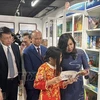
Inside the grounds of Phat Tich Pagoda in Vientiane, there is a special space cherished by both overseas Vietnamese and Lao friends – the Vietnamese Bookcase.
Simple, passionate, and always smiling when talking about Vietnam — that is how colleagues and students describe Dr. Kondo Mika, a lecturer of Vietnamese at Osaka University, Japan.
The network aims to create a common platform for teachers, students, their parents, and those interested in Vietnamese language education worldwide.
A fortnight-long online course methods of teaching Vietnamese to overseas children closed on September 20.
Ambassador Nguyen Minh Tam underscored that language is not only a tool of communications but also the soul of culture and national identity, stating preserving the Vietnamese language is preserving the nation’s roots and reinforcing the bonds between the overseas Vietnamese and their homeland.