Hanoi (VNA) - Vietnam's tourism industry is making efforts to reduce its “carbon footprint” in pursuit of sustainability, focusing on developing “green tours”, upgrading transport infrastructure, and developing renewable energy-used vehicles, said insiders.
The multi-trillion-dollar tourism industry, often called the "smokeless industry," is projected to emit 6.5 billion tonnes of carbon emissions by 2025, accounting for approximately 13% of global greenhouse gas emissions, according a study published by the scientific magazine Nature Climate Change in 2018.
The race toward “net zero tours” and controlling carbon emissions in tourism activities has become increasingly urgent, and Vietnam cannot stand outside this.
To create a sustainable tourism environment, the industry needs to intensify positive actions to restore nature, reduce carbon emissions.
Vietravel Holdings, one of the leading tourism firms in Vietnam, has deployed a programme called “Go Green” since 2013. In addition to practical actions like distributing biodegradable bags to visitors and cleaning up tourist sites, Vietravel has paid attention to measuring the “carbon footprint” of each traveller during their trips, covering transportation, accommodation, and recreational activities.
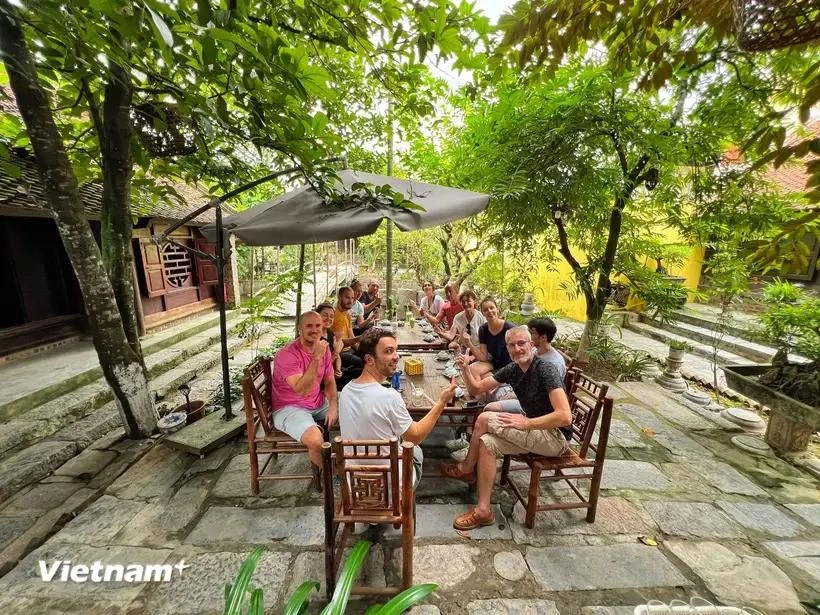
Recently in the Mekong Delta province of Ben Tre, fifteen "green passports" (Net Zero Passport – NZP) were recently presented to travellers joining the “Net Zero Tours Ben Tre” tourism product.
This initiative, developed and implemented by C2T Media and Tourism Co., Ltd. in collaboration with the Institute for Applied Research and Enterprise Innovation (3AI), positions Ben Tre as the only destination to pioneer this unique passport in the world.
During their journeys, each tourist is provided with a small notebook and a pencil to write down information on which products contribute to carbon emissions and which reduce them.
The concepts of green tourism, sustainable tourism, and “carbon footprint” reduction are increasingly being discussed and gaining attention on every travel journey among Vietnamese holiday-makers, especially young people.
Results from an independent survey of 1,000 individuals aged over 18 in Vietnam revealed that as many as 96% of the Vietnamese tourists surveyed affirmed that sustainable tourism plays an important role in their choices. Up to 94% of Vietnamese tourists indicated that they wish to undertake more sustainable trips within the next 12 months.
Not only Ben Tre, other localities nationwide have also began providing “green tours” and eco-tours, which combine nature conservation and tourism development.
The transportation sector is no exception to this trend, as it is working to implement solutions to minimise negative impacts on the ecosystem in order to achieve sustainable environmental protection goals.
On May 27 this year, flight VN660 from Singapore to Hanoi marked a historic milestone, making Vietnam Airlines the first Vietnamese airline to successfully test a commercial flight using green and renewable fuel. The flight utilised Sustainable Aviation Fuel (SAF) produced from renewable materials such as waste animal fats, used cooking oil, and agricultural waste.
The railway sector is aiming to reduce emissions by investing in electric and green energy vehicles. The Ministry of Transport has considered piloting electrified railway routes to create more sustainable journeys for travellers./.