




With its “one-of-a-kind” beauty, Ha Long Bay in Quang Ninh province has twice been recognised by the UNESCO World Heritage Committee as a World Heritage Site (1994) and as a Natural World Heritage Site (2000). In 2012, it was also named a “New7Wonders of Nature” by New Open World. (Photo: VNA)
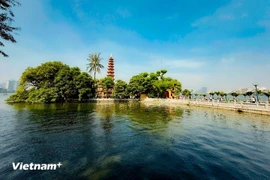
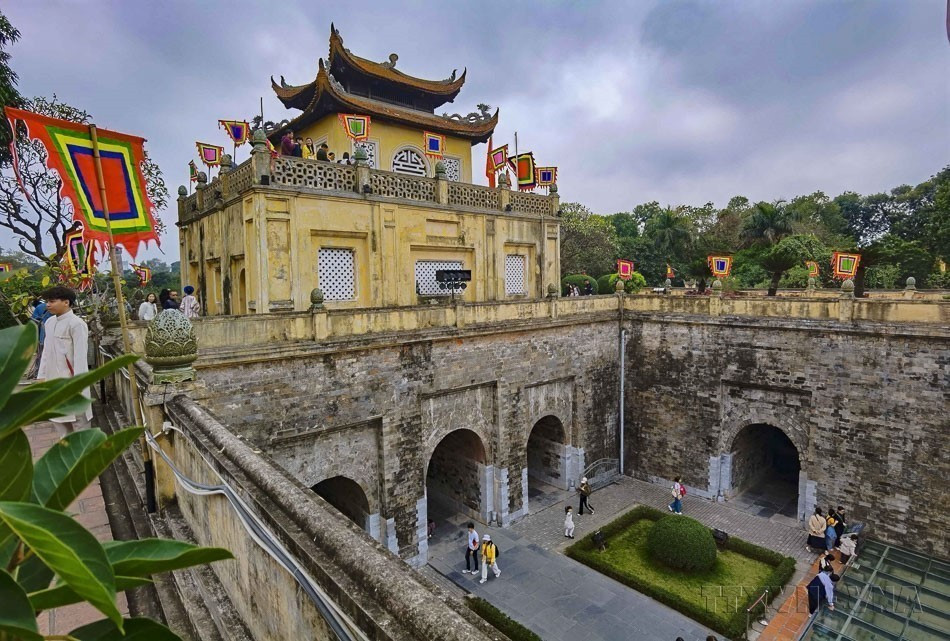
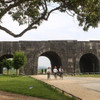
Recognised by UNESCO as a World Cultural Heritage site, the Thang Long Imperial Citadel in Hanoi remains a magnet for visitors with an interest in culture and history. (Photo: VNA)
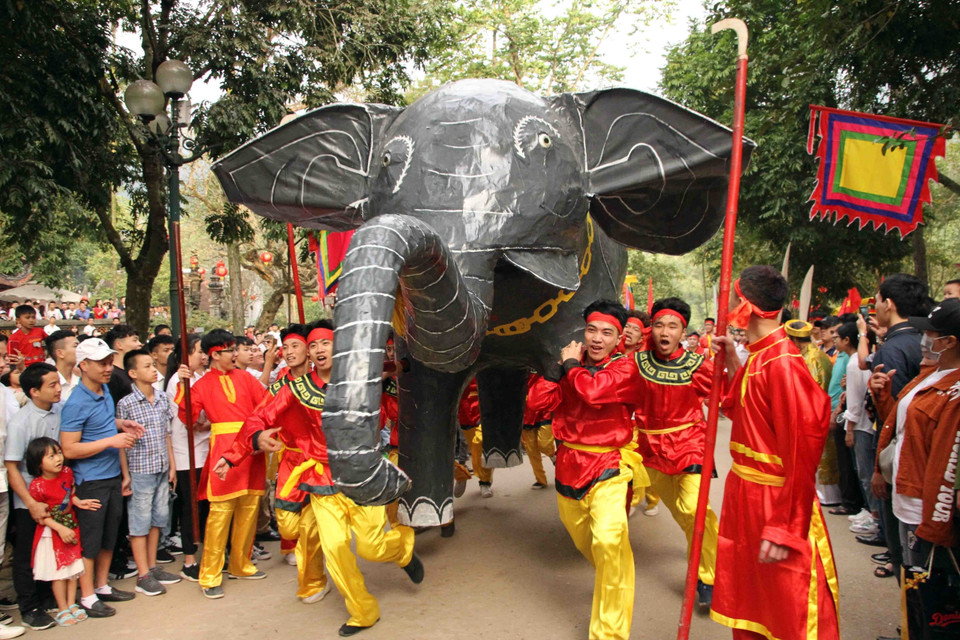
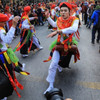
In 2010, UNESCO inscribed Vietnam’s Giong Festival at the Phu Dong and Soc temples in Hanoi as an intangible cultural heritage of humanity. In the photo: The ceremonial parade of war elephants by residents of Duoc Thuong village, Tien Duoc commune, during the Giong Festival at Soc Temple (Hanoi, 2019). (Photo: VNA)
Hoi An Ancient Town (Da Nang city), an outstanding example of a Southeast Asian trading port from the 15th to 19th centuries, was listed as a UNESCO World Cultural Heritage site in 1999. (Photo: VNA)
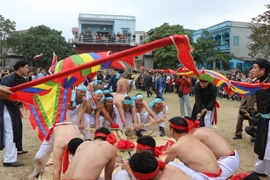
The Mud Ball Wrestling Festival in Bac Ninh province, a sun-worship ritual rooted in the agricultural traditions of local residents, was recognised as a National Intangible Cultural Heritage in 2022. (Photo: VNA)
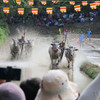
The Bay Nui (Seven Mountains) Ox Racing Festival in An Giang province, closely linked with the local Khmer community’s Sene Dolta celebration, was recognised as a National Intangible Cultural Heritage in 2016. (Photo: VNA)
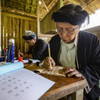
In 2008, concerned that the Dao script was on the verge of disappearing, Ly Van Henh from Phu Tho province sought permission from local authorities to teach the Nom–Dao script to local officials and residents. With support from the locality’s indigenous knowledge preservation network, he played a pivotal role in reviving and transmitting the language and cultural traditions of the Dao Tien community. (Photo: VNA)
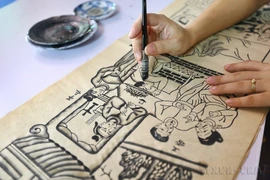
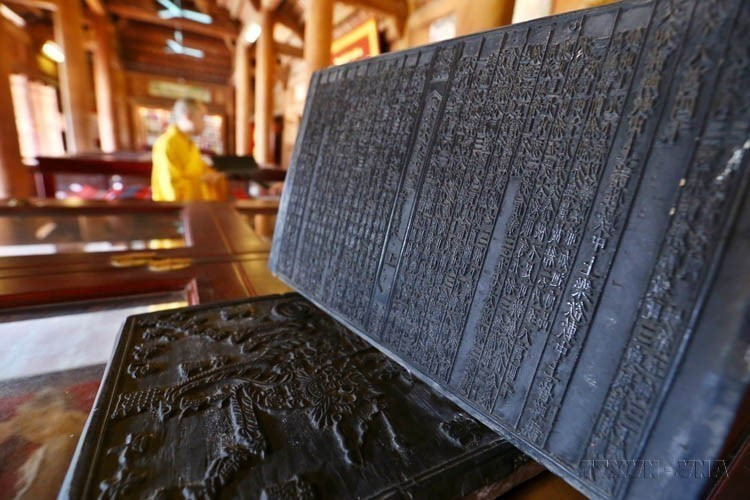
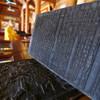
Vinh Nghiem Pagoda in Bac Ninh province preserves and displays 3,050 woodblocks of Buddhist sutras, which UNESCO recognised in May 2012 as part of the Memory of the World Programme for the Asia–Pacific region. (Photo: VNA)
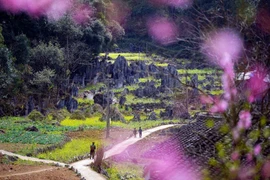
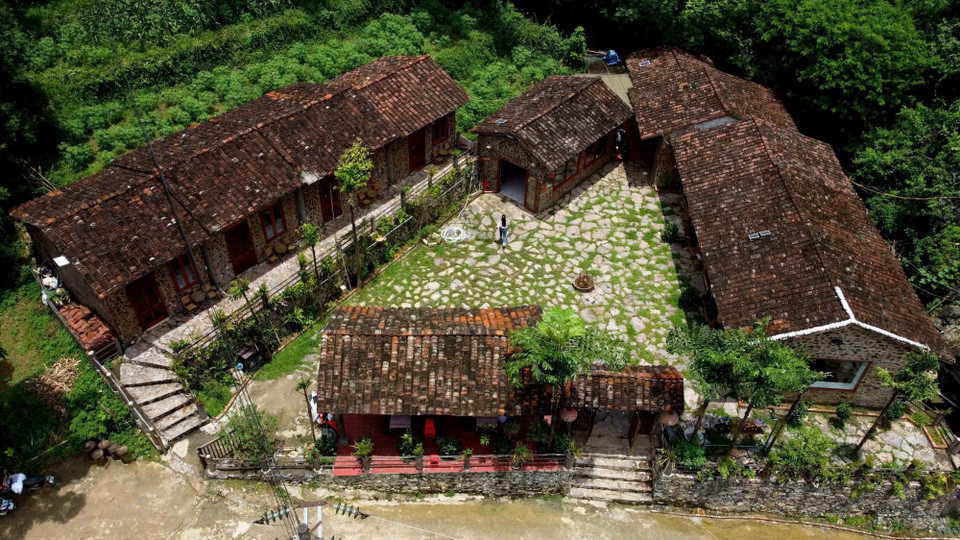
The preservation of cultural and architectural values of the Tay, Nung, Mong, and Lo Lo ethnic groups in border villages in Cao Bang province has supported the development of community-based tourism, turning the province into an attractive destination. In the photo: The houses with yin-yang tiled roofs create a distinctive feature of the ancient stone village of Khuoi Ky (Trung Khanh). (Photo: VNA)
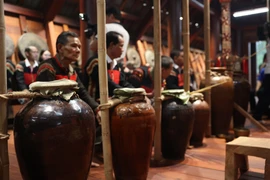
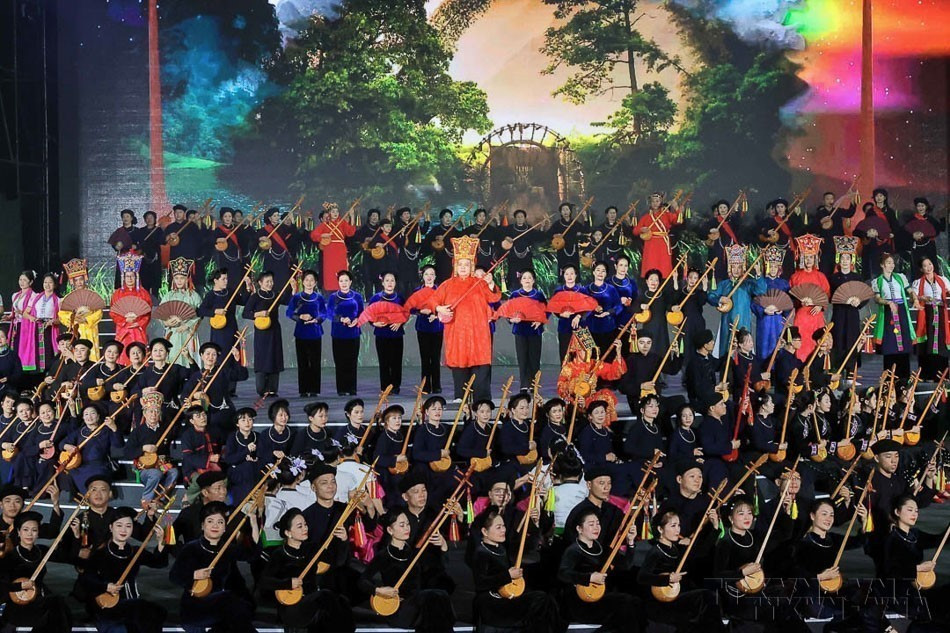
In December 2019, UNESCO officially inscribed "The Then Practice of the Tay, Nung, and Thai peoples in Viet Nam" on the Representative List of the Intangible Cultural Heritage of Humanity, once again affirming the world’s high regard for the rich cultural heritage of Vietnam’s ethnic communities. (Photo: VNA)
The Yen Tu – Vinh Nghiem – Con Son – Kiep Bac Complex has been recognised by UNESCO as a World Cultural Heritage site, becoming Vietnam’s ninth World Heritage property and the first inter-provincial heritage site, spanning Quang Ninh, Bac Ninh provinces, and Hai Phong city. In the photo: Quynh Lam Pagoda, located on Tien Du Mountain, part of the Tran Dynasty Historical Site (Dong Trieu Town, Quang Ninh province). (Photo: VNA)
Tam Coc – Bich Dong, part of the Trang An Scenic Landscape Complex in Ninh Binh province, has been recognised by UNESCO as both a Cultural and Natural World Heritage site. (Photo: VNA)
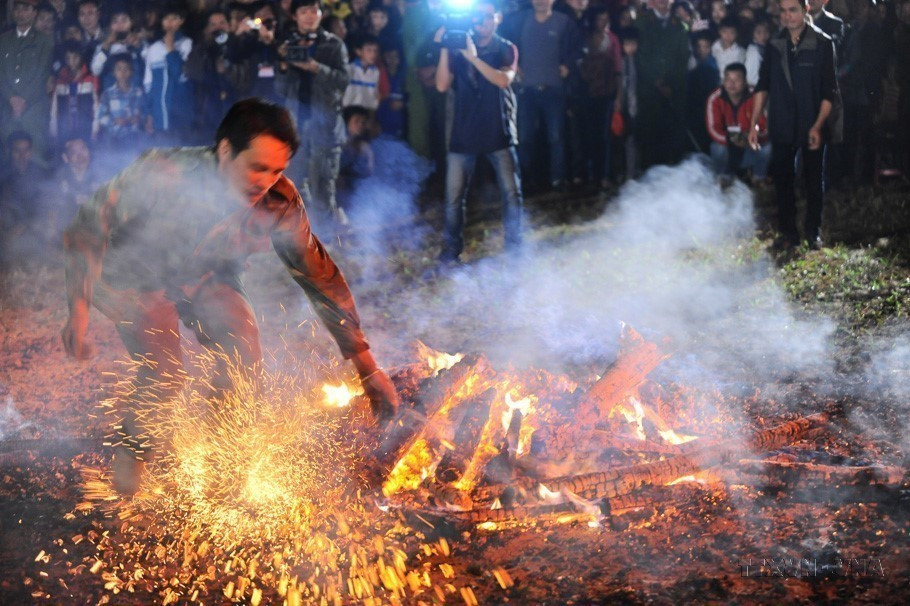
In 2023, the Fire Dance Festival of the Pa Then ethnic people was recognised as a National Intangible Cultural Heritage. (Photo: VNA)
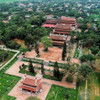
On June 27, 2011, UNESCO officially recognised the Ho Dynasty Citadel in Thanh Hoa province as a World Cultural Heritage site. (Photo: VNA)
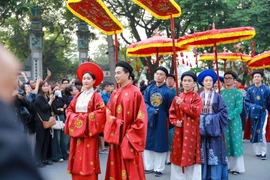
The Trieu Khuc Village Festival is one of Hanoi’s traditional festivals, closely linked to history and rich in Vietnamese spiritual culture, and has been recognised as a National Intangible Cultural Heritage since 2020. (Photo: VNA)
The “Le khao le the linh Hoang Sa” (Feast and Commemoration Festival for Hoang Sa Soldiers) was recognised in 2013 as a National Intangible Cultural Heritage in the category of social customs and beliefs. In the photo: Rituals at the Feast and Commemoration Festival for Hoang Sa Soldiers held by fishermen in Quang Ngai province (2023). (Photo: VNA)
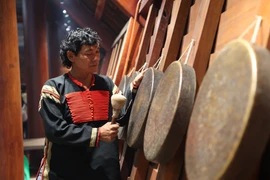
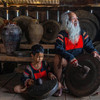
Elderly Ede artisans pass down the gong culture to younger generations — a sound that bridges tradition and the future. (Photo: VNA)
The Khmer community’s Ghe Ngo Boat Racing Festival is recognised as a National Intangible Cultural Heritage. In the photo: Teams of boats from Khmer pagodas participate in the Mini Ghe Ngo Boat Racing Competition at Khmer pagodas in Can Tho. (Photo: VNA)
The Cultural Space of Gong of Central Highlands was recognised by the UNESCO as a masterpiece of the oral and intangible heritage of the humanity in 2005 and inscribed onto UNESCO’s Representative List of the Intangible Cultural Heritage of Humanity in 2008. (Photo: VNA)
Hue Royal Court Music (Nha Nhac) — a sophisticated form of court music and a symbol of royal musical tradition — has been officially inscribed by UNESCO on the List of the masterpieces of the oral and intangible heritage of humanity, and is celebrated as an intangible cultural heritage at the heart of the serene former imperial capital. (Photo: VNA)
0
1
2
3
4
5
6
7
8
9
10
11
12
13
14
15
16
17
18
19

Cultural Heritage Day: Sustaining Vietnam’s cultural soft power

With a history and culture spanning thousands of years, Vietnam is home to an extraordinarily diverse and distinctive range of tangible and intangible cultural heritage. This rich archive of heritage not only shapes the depth, diversity, and unique identity of the nation’s culture, but also serves as a vital resource for the sustainable development of tourism, contributing to enhancing Vietnam’s profile on the international stage.