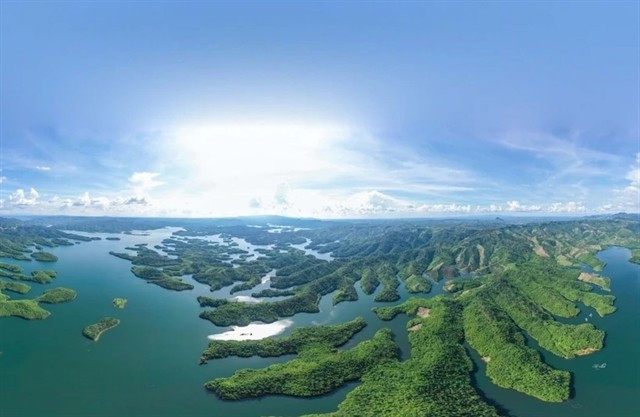
Dak Nong (VNA) – The Central Highlands province of Dak Nong province emphasises the importance of ecotourism in Ta Dung National Park, highlighting its role in biodiversity conservation and promoting local economic development.
Ta Dung National Park is not only a natural treasure but also a cultural convergence point for more than 40 ethnic groups in Dak Nong province.
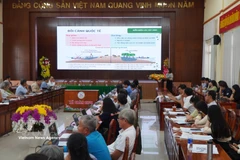
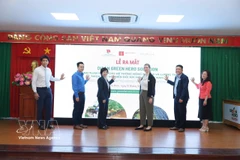
This was affirmed by Khuong Thanh Long, director of Ta Dung National Park, regarding the role and importance of the park at the Ecotourism, Recreation, and Leisure Workshop organised by the park in collaboration with the United Nations Development Programme (UNDP) in Vietnam, held on February 25 in Dak Nong.
The workshop is part of the project "Integrated Sustainable Landscape Management through a Sustainable Non-Deforestation Territorial Approach" in Lam Dong and Dak Nong provinces, funded by the European Union (EU) and implemented by UNDP.
It was organised to consult stakeholders, including government agencies, provincial and district-level managers, scientific and international organisations, and local communities, to build responsible ecotourism development opportunities at Ta Dung National Park.
Do Trong Hoan, project management officer at UNDP, stated that UNDP will support Ta Dung National Park in developing a high-quality tourism development proposal based on the region's unique natural resources and cultural heritage.
Ecotourism, recreation, and leisure activities at Ta Dung National Park aim to improve the local people's livelihoods and contribute to the sustainable development goals of Dak Nong province.
UNDP will accompany Dak Nong province and Ta Dung National Park on this journey to achieve these goals.
Located in Dak Nong province, Ta Dung National Park was established in 2018.
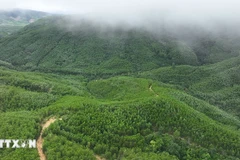
The park currently covers an area of approximately 19,875 hectares, including 19,724 hectares of special-use forest and 111.8 hectares of production forest.
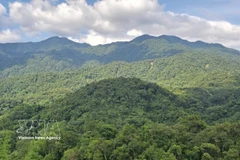
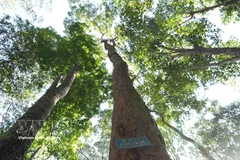
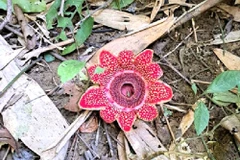
Positioned at the intersection of the Central Highlands and Southeastern Vietnam, Ta Dung National Park boasts diverse and rich flora and fauna systems, playing a vital role in conserving endemic genetic resources and protecting the ecological environment.
The park is not only an essential area for biodiversity conservation but also an ideal destination for ecotourism activities such as trekking, wildlife observation, and exploring spectacular waterfalls like Sun Waterfall and Seven-Tier Waterfall.
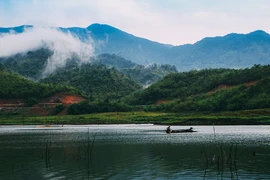
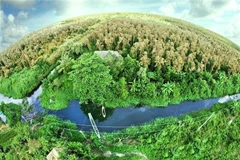
Ta Dung Lake is often referred to as the "Ha Long Bay of the Central Highlands."
The buffer zone of the park also holds significant cultural value, preserving the distinctive cultural identities of nearly 40 ethnic groups.
Migrant communities from northern Vietnam have brought their unique cultural characteristics, creating a "Northwest within the Central Highlands."
Despite its enormous potential, ecotourism activities in the park have not yet been effectively exploited.
The ecotourism, recreation, and leisure development proposal for Ta Dung National Park, once approved, will serve as an essential legal basis for the park to implement sustainable tourism activities and forest environmental service payment models.
This will enhance the value of forest services and reduce the pressure of unsustainable forest resource exploitation.
The project "Integrated Sustainable Landscape Management through a Sustainable Non-Deforestation Territorial Approach" in Lam Dong and Dak Nong provinces is being implemented from 2022 to 2026 with a budget of 5 million euros funded by the European Union.
The project's goal is to strengthen ecosystems, including reducing deforestation and natural forest degradation, protecting biodiversity, restoring priority ecosystems, reducing greenhouse gas emissions, improving the livelihoods of vulnerable groups, including ethnic minorities and women, and enhancing sustainability in production and agricultural product quality./.

Five northern buffed-cheeked gibbons released into Ta Dung national park
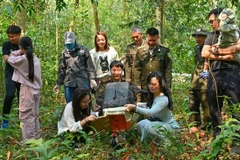
The Ta Dung National Park in the Central Highlands province of Dak Nong, in collaboration with the Binh Duong Forest Ranger Department and the Wildlife At Risk (WAR) organisation, released five northern buffed-cheeked gibbons (scientifically known as Nomascus annamensis) back into their natural habitat on September 27.