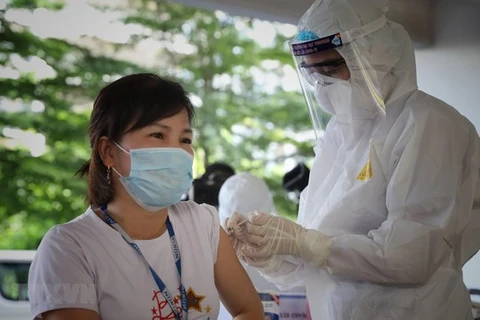
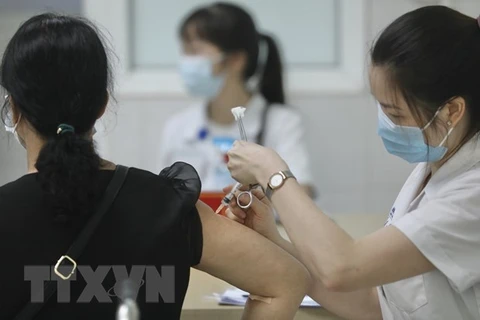
Director of the municipal Department of Health Tran Thanh Thuy said the city has developed a comprehensive plan for conducting free periodic health examinations and screening services throughout 2026, and prepared the necessary human resources, facilities and digital infrastructure to ensure effective implementation.
The new network aims to improve identification and management of potential donors, especially brain-dead patients, and to coordinate counseling, outreach and the receipt of donated organs.
The initiative seeks to establish a comprehensive network for caring for and protecting women and children, covering disease prevention, vaccination, nutrition, mental health support, and child protection in cyberspace.
By 2030, all educational institutions are expected to have separate medical rooms equipped with essential medicines and healthcare equipment, adequate access to safe drinking water and sanitation facilities, and school meal services that comply with food safety regulations.
The agreement focuses on establishing hundreds of first-aid stations across Long Chau’s pharmacy and vaccination network, standardising first-aid training for medical and pharmaceutical students, and expanding community health education activities nationwide.
Ho Chi Minh City is pioneering efforts to expand access to quality healthcare by deploying doctors and extending hospital services to remote and island areas, as part of its push toward universal health coverage.
Health experts warned that prolonged heat exposure could cause heatstroke, heat exhaustion and other serious health conditions. High-risk groups include the elderly, children, pregnant women, people working or exercising outdoors for long periods, and those suffering from chronic illnesses such as hypertension, chronic obstructive pulmonary disease, asthma and diabetes.
Ho Chi Minh City's free health examination programme, set to begin on May 25, is carried out at qualified healthcare facilities, mobile clinics at schools, factories and businesses, community-based screening sites arranged by local authorities, as well as through home visits to elderly residents, people living alone and those with limited mobility.
Medical facilities were instructed to strengthen surveillance, especially for individuals who have travelled to or returned from outbreak-hit countries or areas within the previous 21 days. They were also asked to strictly enforce infection control measures, including protective procedures, screening, triage and isolation protocols for suspected or confirmed Ebola cases.
The World Health Organisation (WHO) has acknowledged the proactive efforts of Vietnam’s Ministry of Health and the Government’s urgent direction in preparing the system and strengthening response capacity to the Ebola virus outbreak.
Vietnam has so far recorded no Ebola cases. While the risk of an outbreak entering the country remains low, authorities warned that imported infections through travellers from affected areas cannot be ruled out.
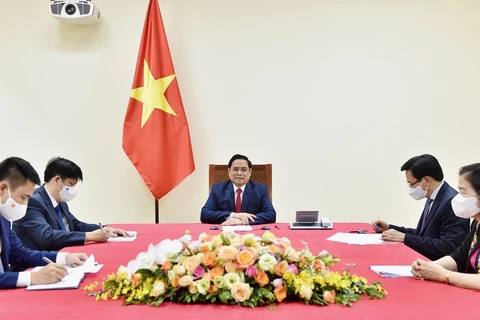
Vietnam remains committed to sharing experience, contributing resources, and coordinating closely with countries and international organisations to build a safer, fairer and more resilient global health system against future challenges.
The Minister of Health will determine those subject to the rule and the duration of health declaration requirements at border gates for each infectious disease, based on the global disease situation and the risk of transmission into Vietnam at specific points in time.
Highlighting strategic orientations for the sector, Party General Secretary and State President To Lam requested that traditional medicine be incorporated into the country’s overall development strategy in the new era. He called for the building of a national traditional medicine ecosystem linked to the development of the health economy and national soft power.
Vietnam has gradually mastered some of the world’s most complex transplant techniques since the country’s first successful kidney transplant in 1992. As of 2025, Vietnam had conducted 10,878 organ transplants, with 34 licensed hospitals now capable of performing transplant procedures.
The partnership between Military Hospital 175 and medical institutions in Leipzig has been recognised as a highlight of Vietnam – Germany healthcare cooperation, as well as of the sister-city relationship between Ho Chi Minh City and Leipzig.
The East Rose Dental is among the Vietnamese dental brands investing in advanced technology, experienced clinicians, and personalised treatment approaches.
Vietnam-Japan healthcare cooperation is entering a higher-quality phase, with a focus on advanced technologies, human resource development and building a sustainable health system.
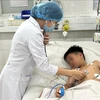
The hospital announced on May 19 that the patient, a 12-year-old boy, recovered well after surgery, remained fully conscious and showed no new focal neurological deficits. Post-operative imaging indicated that the tumour had been almost completely removed. Doctors are continuing close monitoring and preparing further treatment plans to support the child’s full recovery.
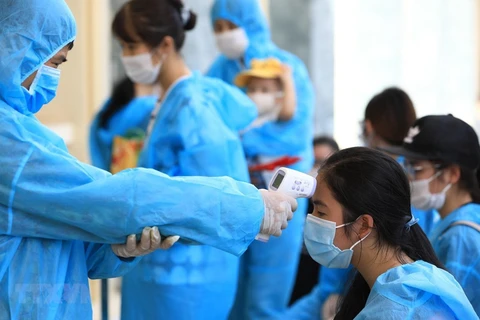
Under the directive, the Ho Chi Minh City Centre for Disease Control has been instructed to tighten surveillance at border gates by monitoring incoming travellers for unusual health symptoms, carefully reviewing epidemiological factors, travel histories and accommodation records, and coordinating closely with aviation, maritime and international health quarantine authorities to promptly detect suspected cases.