Google honours Ha Long Bay of Vietnam (Photo: VNA)
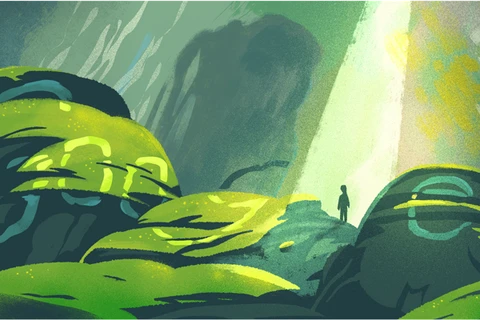
 Hanoi (VNA) – The Vietnamese homepage of tech giant Google on December 17 featured a doodle of Ha Long Bay to mark the 29th anniversary of the United Nations Educational, Scientific and Cultural Organisation (UNESCO)'s recognition of the bay as a World Heritage Site.
Ha Long Bay in the northeastern province of Quang Ninh was twice recognised by UNESCO as the World Natural Heritage in 1994 and 2000.
On September 16, 2023, Ha Long Bay – Cat Ba Archipelago (Hai Phong city) was recognised as a World Natural Heritage by UNESCO.
With it scenic beauty, Ha Long Bay attracts millions of domestic and foreign visitors each year.
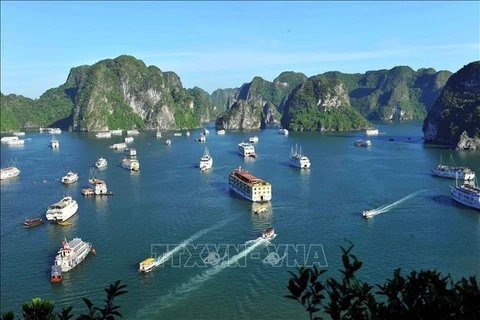
According to Google Doodle, this wonder is situated in the Gulf of Tonkin in Quang Ninh province and is believed to have formed roughly 3 million years ago. Today, Ha Long Bay consists of roughly 2,000 islands and islets.
"Its limestone pillars and emerald green waters attract millions of bucket-list visitors each year, making it one of Vietnam’s national treasures,” read a description by Google Doodle.
 Ha Long Bay in the northeastern province of Quang Ninh was twice recognised by UNESCO as the World Natural Heritage in 1994 and 2000. (Photo:VNA)
 It suggests experiences not to be missed when visiting Ha Long Bay such as Sung Sot Cave, the largest cave in the bay, or nautical adventures like fishing, snorkeling, and kayaking.
Ha Long Bay is also an important site for scientists as it helped them study and understand the movement of geologic plates and the Earth's history of climate change over the years.
On November 11, 2011, Ha Long Bay was recognised by the New7Wonders. Other six new natural wonders of the world include Amazon Rainforest in Brazil, Jeju Island in the Republic of Korea, Iguazu Falls in Argentina and Brazil, Puerto Princesa Subterranean River National Park in the Philippines, Komodo Island (National Park) in Indonesia, and Table Mountain (National Park) in South Africa./.