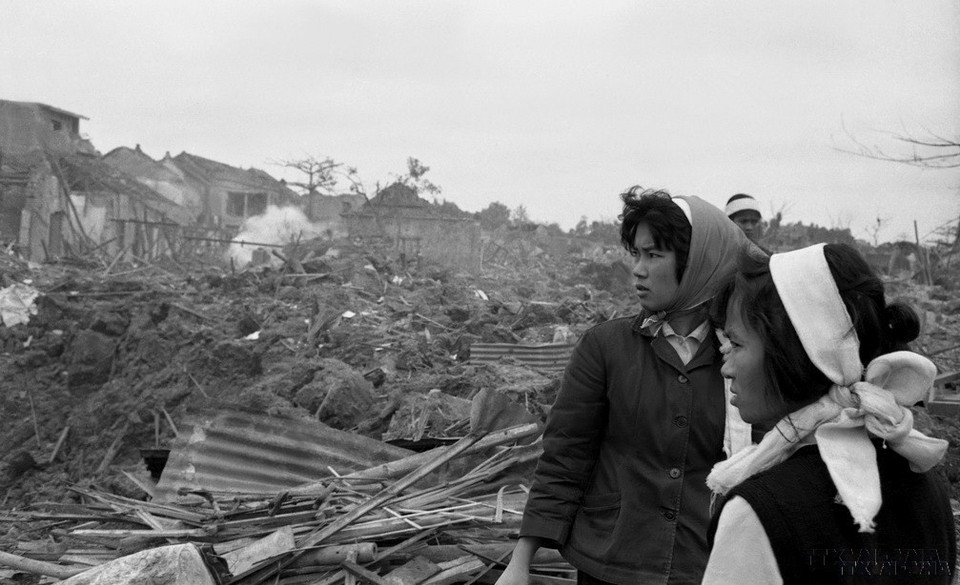
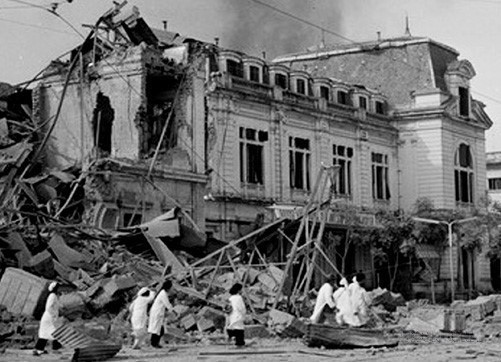

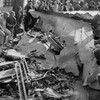
Kham Thien Street devastated by US B-52 bombing. (Photo: VNA)
Hang Co Railway Station (now Hanoi Railway Station) destroyed by B-52 air strikes. (Photo: VNA)
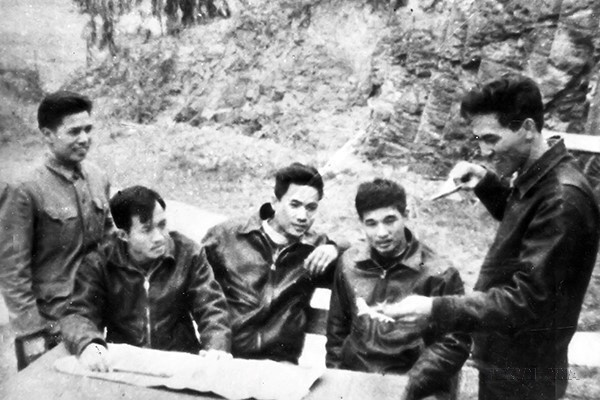
Pilot Pham Tuan (far right) and his comrades discuss tactics to attack B-52 bombers during the 12-day-and-night campaign in December 1972. He was the first to shoot down a B-52 on the spot while flying a MiG-21FM during a night sortie on December 27, 1972. (Photo: VNA)
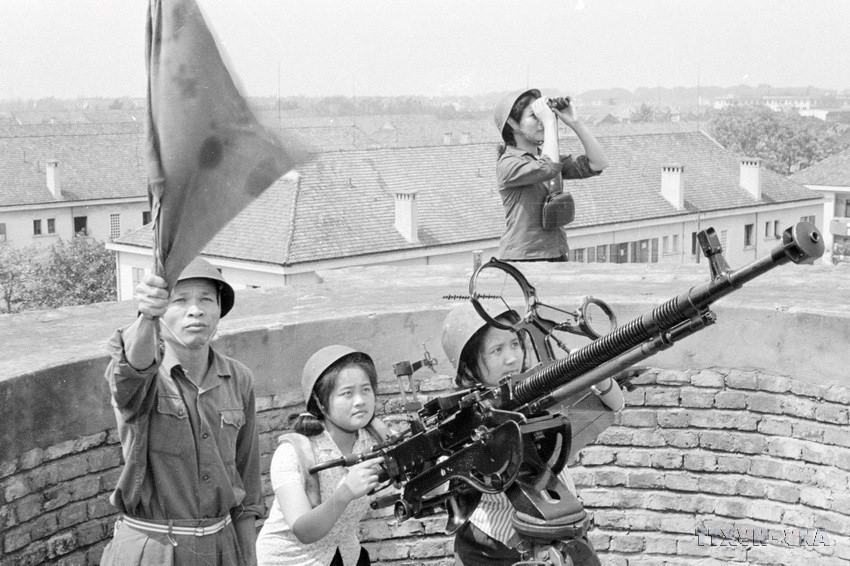
Self-defence militia of Dong Xuan Knitting Factory intensively practise their skills. (Photo: VNA)
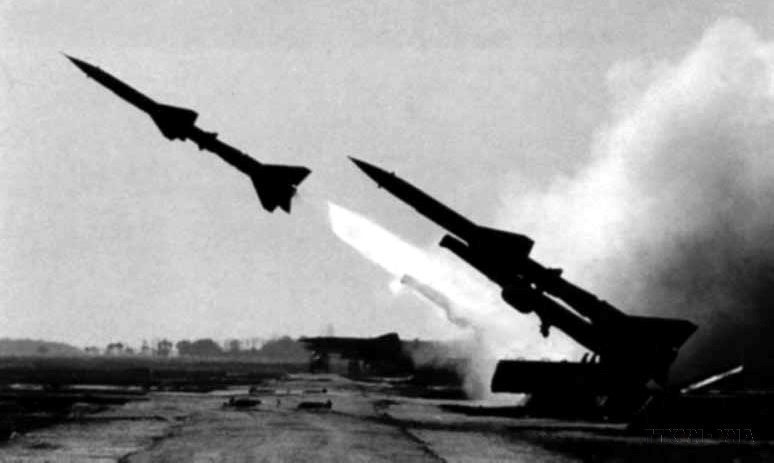
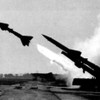
Missile troops - the main force in the air defence campaign protecting Hanoi during the 12 days and nights of December 1972. (Photo: VNA)
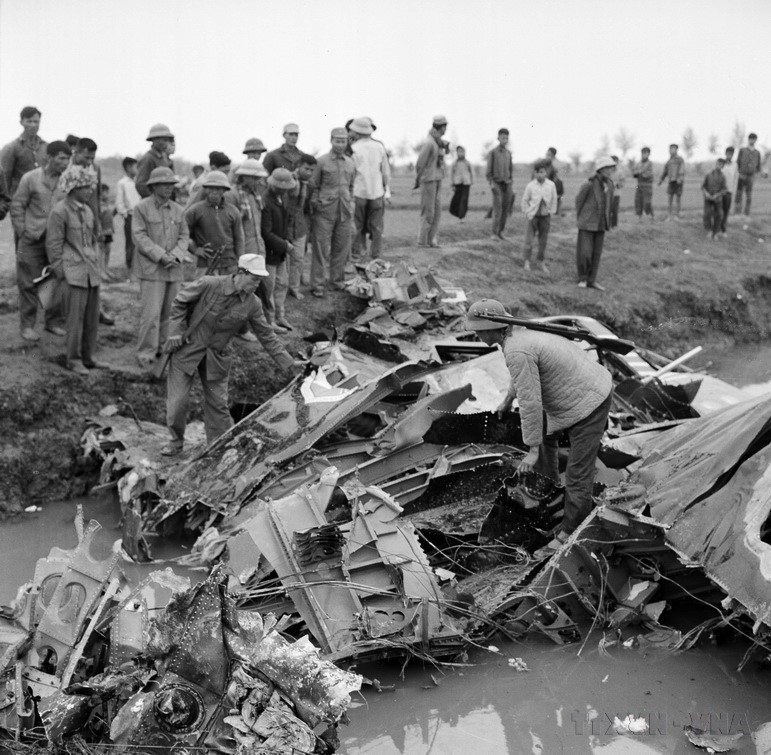
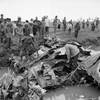
The first B-52 bomber shot down by Battalion 59, Missile Regiment 261, Air Defence Division 361, over Chuom Field in Dong Anh commune at 8:13 p.m. on December 18, 1972. (Photo: VNA)
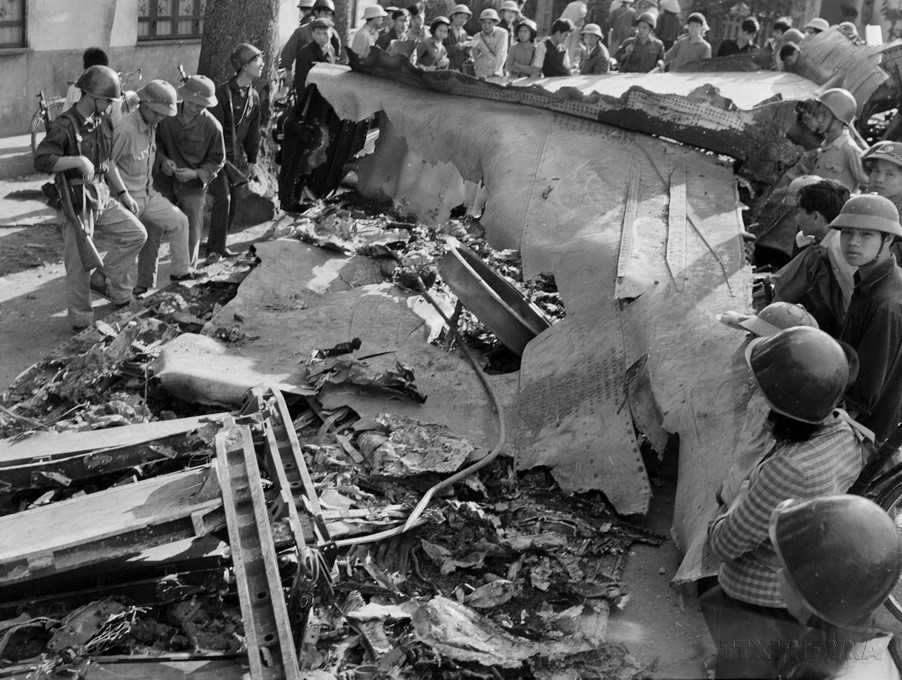
Wreckage of a B-52 bomber shot down on the spot by missiles from Battalion 72, Missile Regiment 285, Air Defence Division 363, which crashed onto Hoang Hoa Tham Street (Hanoi) on the night of December 27, 1972. (Photo: VNA)
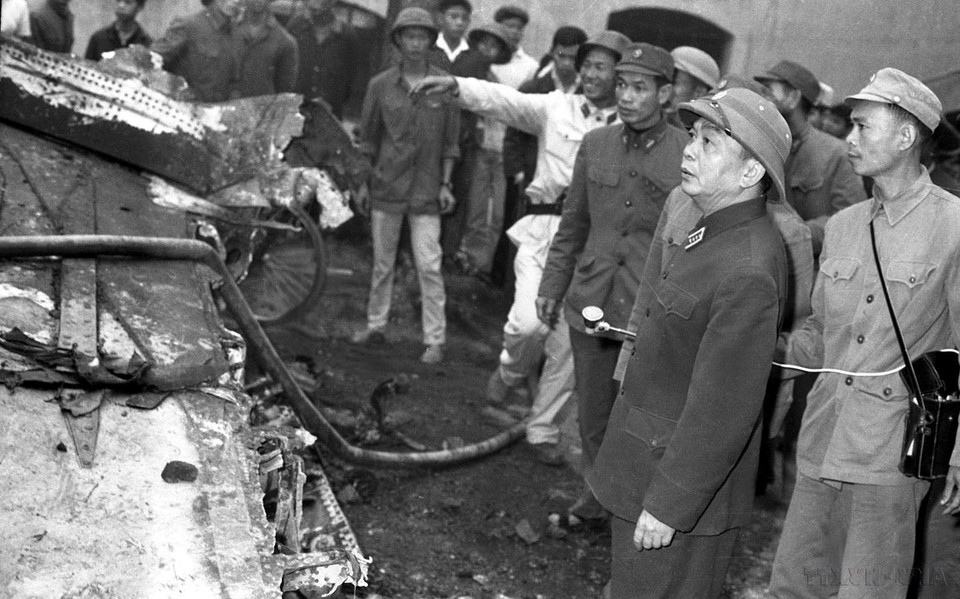
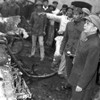
On December 30, 1972, General Vo Nguyen Giap inspects the wreckage of a US B-52 bomber shot down by Vietnamese forces and people in Ngoc Ha village (Hanoi) during his visit to Missile Battalion 79, a unit with outstanding achievements in repelling the US strategic air assault. (Photo: VNA)
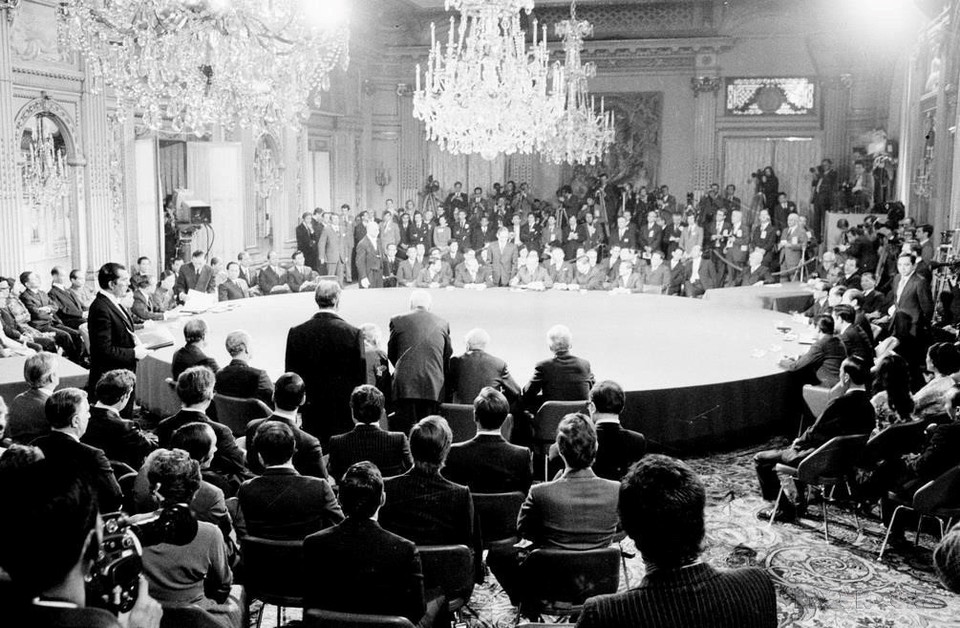
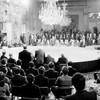
The victory of “Hanoi – Dien Bien Phu in the air” crushed US strategic intentions and compelled the country to sign the Paris Agreement on January 27, 1973, committing to withdraw all US troops from southern Vietnam, laying the groundwork for the complete liberation of the South and the reunification of the country. (Photo: VNA)
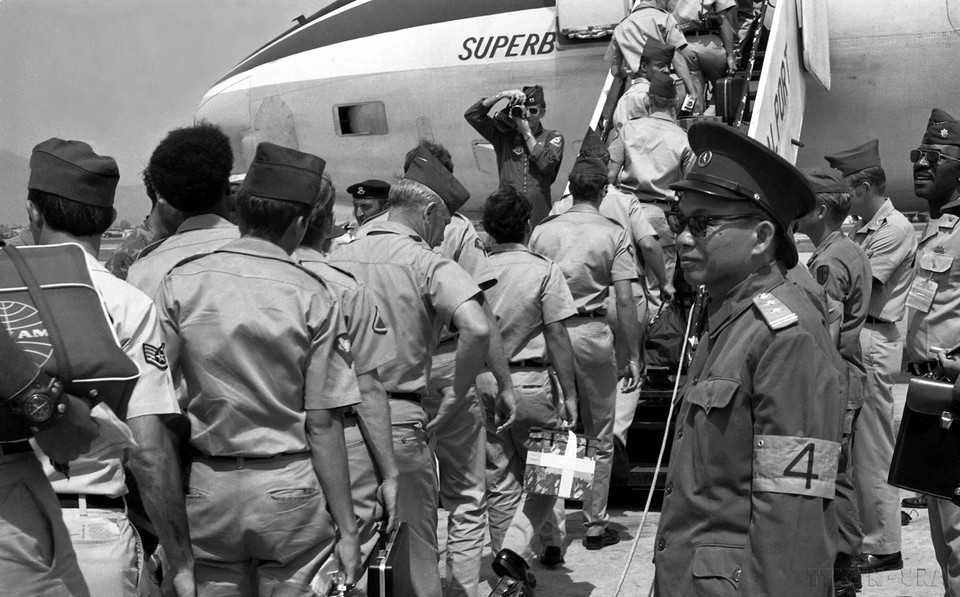
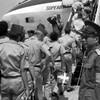
Implementing the Paris Agreement, on March 29, 1973, the last US soldiers boarded aircraft at Da Nang airport to leave Vietnam. (Photo: VNA)
0
1
2
3
4
5
6
7
8
9

Hanoi – Dien Bien Phu in the air: A victory of resolve and ingenuity

Over 12 days and nights, from December 18 to 30, 1972, the US Air Force launched an unprecedented bombing campaign in Indochina, in an attempt to “throw North Vietnam back to the stone age”. With courage, determination, ingenuity and close coordination, the armed forces and people of the North shot down 81 aircraft, including 34 B-52 bombers. The decisive victory over Hanoi shattered the peak of US military escalation and led to the signing of the Paris Agreement, ending the war and restoring peace in Vietnam and Indochina.