Hanoi (VNA) - Several Hanoi street-side eateries have earned recognition from Michelin, but the question remains: is this enough to elevate the city's vibrant street food scene?
Hoan Kiem bun cha, pho take the spotlight
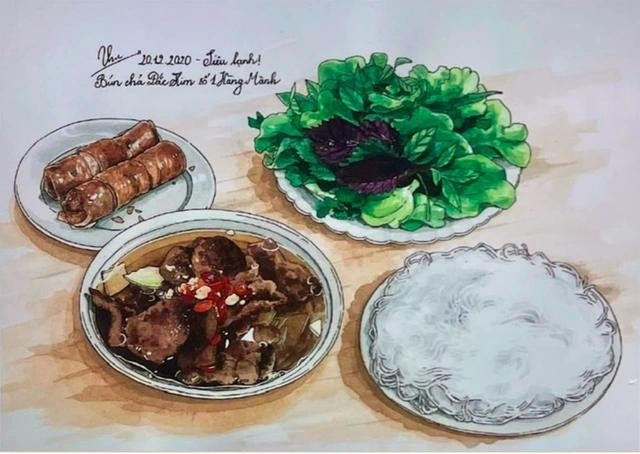
From its very first year in Vietnam, the Michelin Guide was quick to take note of bun cha (rice vermicelli with grilled pork and fresh herbs), a humble yet iconic dish from Hanoi. In 2023, two bun cha spots made it into Michelin’s recommended list: Bun Cha Dac Kim on Hang Manh street and Bun Cha Huong Lien on Le Van Huu street.
That same year, other sidewalk eateries such as Ba Xuan Steamed Rolled Pancakes on Hoe Nhai street, Cham Chicken Pho (rice noodle) on Quan Thanh street, and Tien Pho on Nguyen Truong To street were also spotlighted.
These dishes, particularly bun cha and pho, were further recognised in the “good food at reasonable prices” category.
In subsequent years, the list has grown to include Pho Khoi Hoi and Pho Lam, Cham Chicken Pho on Yen Ninh street, and Chinh Thang Pho Cuon. Other humble dishes such as the eel vermicelli from Dong Thinh and Chan Cam eateries, or the nostalgic countryside-style perch soup from Hieu Luc on Hai Ba Trung street, have also made their way into the guide.
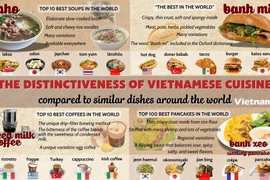
A notable trend is that most Michelin-recognised street eateries are clustered in the Old Quarter in Hoan Kiem ward and adjacent areas. Yet despite global acclaim, no banh mi (Vietnamese baguette) vendor has been featured, an absence that food experts find surprising given its international reputation and even inclusion in the Oxford Dictionary as a Vietnamese-style sandwich. In 2024, banh mi was listed among the world’s best sandwiches, yet it remains absent from Michelin’s radar.
A foundation for growth, but more is needed
There are currently no official statistics on whether Michelin recognition has caused a significant surge in patronage at these eateries. However, from a culinary tourism standpoint, this attention presents an opportunity, especially if supported by a strategic plan. For instance, multiple bun cha restaurants gaining recognition could create a ripple effect, boosting the visibility of other outstanding bun cha establishments across the capital.
One approach is to develop cultural projects that spotlight Hanoi’s culinary richness. The recently launched sketchbook project “Flavours of the Old Quarter” highlights many highly rated bun cha spots, such as those tucked away in Hang Quat, Bat Su, Cua Dong, and Gia Ngu streets. Author Pham Tien Long notes that seasoned locals still frequent hidden gems in
Dong Xuan market or on Luong Ngoc Quyen and Nguyen Du streets, where traditional bun cha que tre, grilled pork skewers on bamboo sticks, is served.
Long also pointed to a small but thoughtful gesture at Michelin-recommended Dac Kim: “Western visitors often recommend the spot to friends because it’s frequently mentioned in Hanoi travel and food guides. The restaurant is considerate enough to keep forks in the chopstick holders, anticipating guests who may not be used to chopsticks.”
This detail highlights an important point: if bun cha alone can spark Michelin interest, other Hanoi street foods also deserve curated recognition. At the same time, upgrading services, like offering utensils for international guests, goes a long way in enhancing the overall experience.
According to Dr. Nguyen Thu Thuy from the Vietnam National University, to elevate Hanoi’s street food, vendors must first ensure their offerings are distinctive, something that builds a unique brand identity. Food safety, friendly and enthusiastic service, and active digital communication are also essential. Engaging customers on social platforms can help turn them into ambassadors for the business.
She added that street vendors should aim to serve both dine-in and takeaway customers. Embracing technology, such as food delivery apps, not only reduces staffing needs but also helps manage operations efficiently, offering visuals, prices, and ordering options to customers.
Thuy noted that food tech service providers are now readily available, and integrating these solutions could significantly improve service quality./.