Hanoi (VNA) - Each spring, the coastal town of Song Doc in Tran Van Thoi district in the southernmost province of Ca Mau transforms into a vibrant gathering of faith, festivity, and maritime heritage as thousands come together to honour the sacred Whale God, known locally as “Ong Nam Hai” during the Nghinh Ong Song Doc Festival.
Most important cultural, spiritual event of Ca Mau fishermen
The festival dates back to 1925, when, according to local people, the body of a whale drifted ashore at Vam Xoay, Rach Goc after a stormy night. The fishermen, viewing the creature as a guardian spirit of the sea, respectfully brought it to Vam Rach Ruong and built a shrine in its honour.
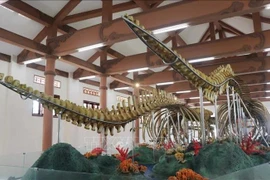
Though the original shrine was destroyed during a French naval attack in 1943, the locals preserved what remained of the sacred bones and, wrapped in red cloth, relocated the shrine to Vam Song Doc, and later in 1960, to its present site in Hamlet 2, Song Doc township.
The legend of “Ong” (the whale) is steeped in Buddhist symbolism. According to folklore, Guan Yin tore her kasaya into hundreds of pieces and cast them into the sea, giving rise to a school of whales tasked with saving those in distress. Their bones, made from enchanted elephant bone, are said to possess magical powers to shrink distances and reach those in danger swiftly.
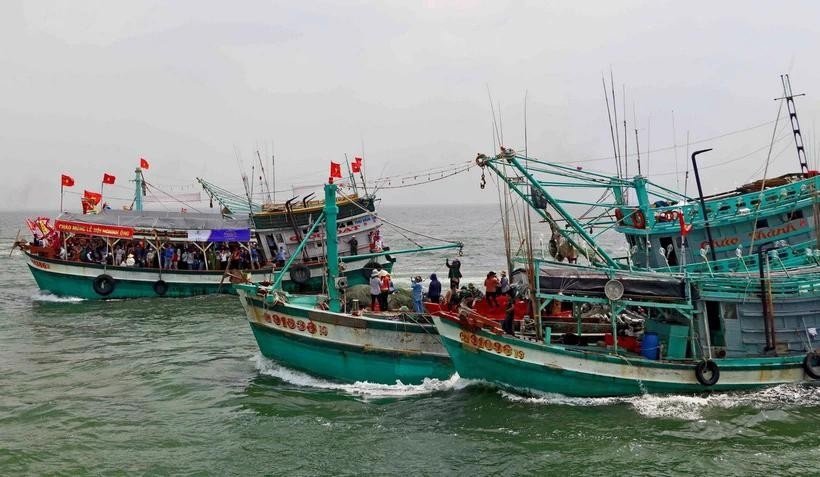
At the heart of the festival is the Nghinh Ong procession — an awe-inspiring sight where hundreds of fishing vessels take to the sea in a grand ceremonial parade. One to three decorated ships, chosen from successful and reputable local families, carry the main rituals. These are accompanied by a fleet of up to 300 boats from surrounding provinces like Bac Lieu, Ben Tre, Kien Giang, and Soc Trang.
Participants aboard the main vessel, known as the "Thuy Luc Pavilion," perform solemn rites as the ship ventures 5 to 7 kilometres offshore into the clear waters of the Western Sea within the Gulf of Tokin. Here, the ritual of xin keo — a spiritual plea for Ong's blessing — is performed. A favourable sign, such as a water spout from a whale (referred to as “Ong doi”), signifies Ong's acceptance and marks a promising year of calm seas and fruitful harvests.
If no sign is received, the ship proceeds further west, repeating the ritual until Ong is appeased. Once the sign is granted, seawater is drawn into vases and brought back to the shrine to symbolise the Whale God's presence returning with the fleet.
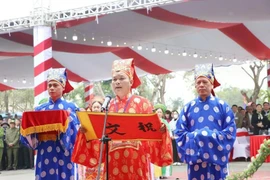
Back on land, the procession returns in the same solemn formation, leading Ong back to the shrine’s main hall. That evening, the Tien Hien ritual is performed, honouring the founding spirits, followed by the Chan Te, the main worship ceremony. The rites are led by elders of the community, who recite prayers to Nam Hai and other deities of the river and sea.
The following late-night ritual, Tong On, symbolises the farewell to Ong and other sea spirits. A miniature boat — about one metre long, fashioned like an offshore fishing boat — is filled with offerings like boiled chicken and duck, rice, salt, and votive papers. It is then carried to the estuary, launched into the water, and sent off to return the spirits to the sea.
On the final morning, hundreds of local people — fishermen, skippers, ship owners, seafood traders — gather at the shrine to burn incense and pray for a prosperous and safe fishing season. Afterwards, they share a communal meal, exchange fishing stories, and strengthen bonds within the maritime community.
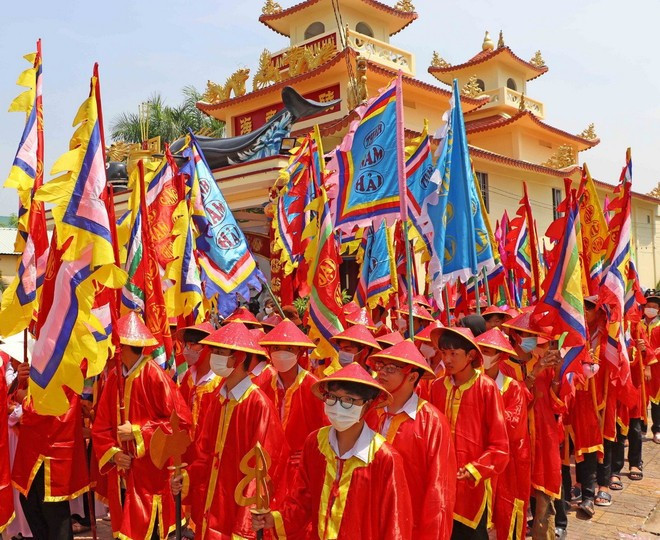
The festival also draws in vessel owners from across the Gulf of Thailand, who come ashore to pay their respects at the shrine, regardless of their home province.
National treasure of intangible heritage
Recognised as a National Intangible Cultural Heritage in 2021 by the Ministry of Culture, Sports and Tourism, the Nghinh Ong Song Doc Festival is more than just an annual event — it is a living testament to the cultural identity and spiritual life of the fishing communities of Ca Mau.
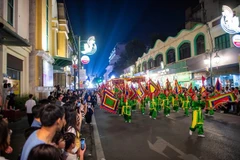
This year, the festival ran from March 11–17, or the 12th to 18th day of the second lunar month. Alongside the rituals, there were sports and cultural activities that animated the streets of Song Doc with colour and community spirit.
According to Nguyen The Chau, Chairman of the Tran Van Thoi district People's Committee, the festival not only serves spiritual needs but also strengthens community ties and celebrates the enduring values of sea-based culture.
Tran Van Quoc, head of the Ong Nam Hai Shrine, said that over the past century, the festival has not only been preserved but has grown — becoming an indispensable part of the coastal life.
Indeed, the Nghinh Ong Song Doc Festival reflects the story of Ca Mau’s coastal people — their reverence for the sea, their resilience, and their rich folk heritage. It serves as a living archive of their relationship with the ocean, their beliefs, and their spirit of togetherness.
More than just a festival, it is a cultural compass — pointing to the past, anchoring the present, and sailing toward the future./.