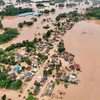
Lao fishermen on the Mekong River (Photo: VietnamPlus)
Hanoi (VNA) – Nearly a third of the world’s freshwater fish species are on the verge of extinction, according to a report recently released by 16 conservation groups, including the World Wild Fund for Nature (WWF), the London Zoological Society, Global Wildlife Conservation and The Nature Conservancy.
Announcing the report “The World’s Forgotten Fishes”, the conservation groups called on governments to take urgent actions to protect freshwater fish and their habitat.
The report reveals an extraordinary variety of freshwater fish, with 18,075 species inhabiting oceans, accounting for over half of the global fish species and a quarter of all vertebrates on Earth.
Some 200 million people all over the world rely on freshwater fish for their main source of nutrition, while 60 million people are employed in fishing and fish farming.
The Mekong River, the world’s third most diverse fish population, hosts 1,148 fish species. It provides food and energy security for about 70 million people, for most of whom the staple diet is rice, fish and other aquatic animals.
As for Vietnamese people, fish is an important source of animal nutrition which supply 30-35 percent of nutrition for each.
Healthy freshwater fish stocks also sustain two huge global industries: recreational fishing generates over 100 billion USD annually, while aquarium fishes are the world’s most popular pets and drive a global trade worth up to 30 billion USD.
But freshwater fishes continue to be undervalued and overlooked – and thousands of species are now heading towards extinction. Freshwater biodiversity is declining at twice the rate of that in oceans or forests.
Indeed, 80 species of freshwater fish have already been declared ‘Extinct’ by the International Union for Conservation of Nature (IUCN)’s Red List of Threatened Species, including 16 in 2020 alone. Meanwhile, populations of migratory freshwater fish have fallen by 76 percent since 1970 and mega-fish by a catastrophic 94 percent.
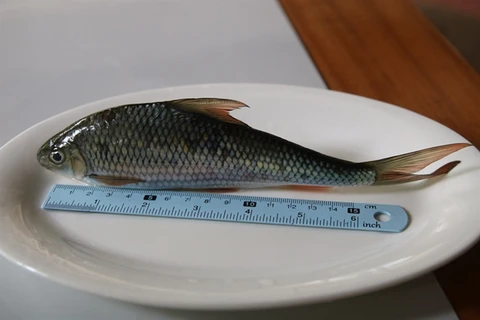
Mekong giant catfish and giant barb – the two kinds of iconic fish of the Mekong River have faced critical threat.
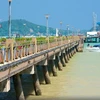
 Part of the Mekong River running through Thailand (Photo: VietnamPlus)
The report highlights the devastating combination of threats facing freshwater ecosystems – and the fishes that live in them – including habitat destruction, hydropower dams on free flowing rivers, over abstraction of water for irrigation, and domestic, agricultural and industrial pollution.
In addition, freshwater fishes are also at risk from overfishing and destructive fishing practices, the introduction of invasive non-native species and the impacts of climate change as well as unsustainable sand mining and wildlife crime.
Stuart Orr, WWF Global Freshwater Lead, said it is necessary to secure a new deal for the world’s freshwater ecosystem, saying it will bring freshwater fish species back from the brink, helping secure food and jobs for hundreds of millions, safeguard cultural icons, boost biodiversity and enhance the health of the freshwater ecosystems that underpin well-being and prosperity.
“Nowhere is the world’s nature crisis more acute than in our rivers, lakes and wetlands, and the clearest indicator of the damage we are doing is the rapid decline in freshwater fish populations. They are the aquatic version of the canary in the coalmine, and we must heed the warning,” said Orr, WWF global Freshwater Lead. “Despite their importance to local communities and indigenous people across the globe, freshwater fish are invariably forgotten and not factored into development decisions about hydropower dams or water use or building on floodplains. Freshwater fish matter to the health of people and the freshwater ecosystems that all people and all life on land depend on. It’s time we remembered that.”/.