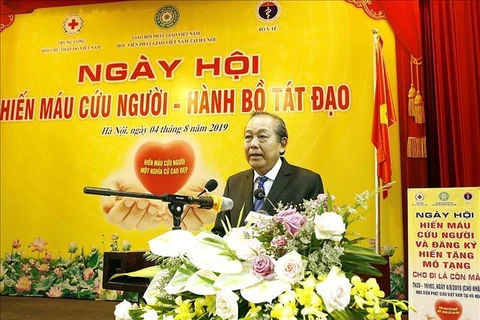
Thua Thien-Hue (VNA) – In a move to raise awareness of organ donation, Prime Minister Pham Minh Chinh has registered as a donor himself, calling on all Vietnamese citizens to follow suit.
The call came on the occasion of the 134th birth anniversary of President Ho Chi Minh (May 19) and highlighted the ongoing struggle to meet the country's growing need for organ transplants.
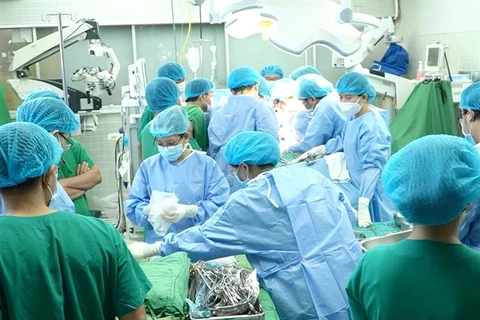
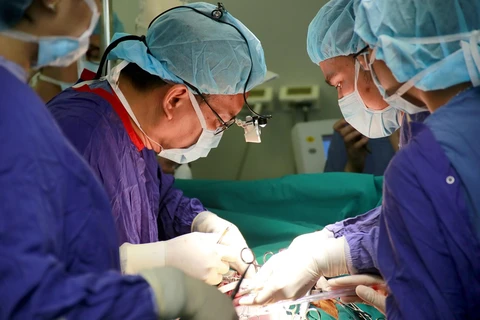
Despite Vietnam's successes in organ transplantation, with over 1,000 cases performed annually, the highest in the Association of Southeast Asian Nations (ASEAN), organ donation remains a major challenge. The low donation rate continues to limit the life-saving potential of these surgeries.
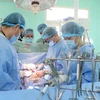
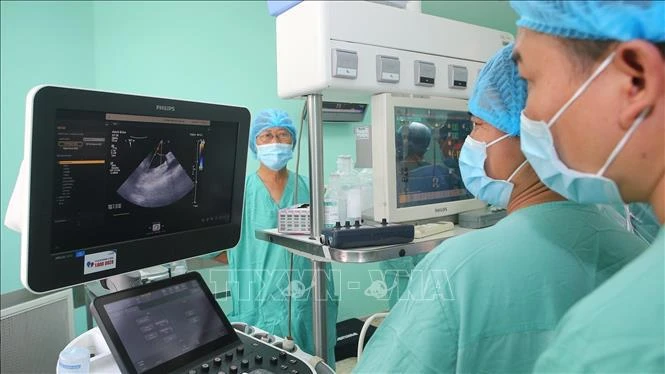
Vietnam's journey in organ transplantation began 23 years ago with its first successful kidney transplant. Since then, the Hue Central Hospital has performed over 1,800 transplants, primarily involving kidneys and sourced mostly from relatives or living donors. However, according to Prof. Dr. Pham Nhu Hiep, the hospital's director, critical organs like hearts, livers, and lungs remain scarce, leaving tens of thousands of patients waiting desperately for a chance for a longer life.

Assoc. Prof. Dr. Dong Van He, Director of the National Coordinating Centre for Human Organ Transplantation, said the number of organ donors in the country remains low compared to other nations in the region and worldwide. He further highlighted the limited capacity for brain death diagnosis, a crucial step in organ donation. Only six out of 26 hospitals nationwide are currently equipped for this process.
To improve the situation, He called for concrete actions from healthcare professionals, and collaboration across education, training, and media sectors, and strong partnerships with social and religious organisations, women and young people, and the Red Cross Society.
Through these combined efforts, Vietnam is expected to overcome cultural and social barriers that currently hinder organ donation and ensure that more patients will receive the gift of life./.