At around 16:20 the same day, the lane was activated at Bac Luan II Bridge area to allow an ambulance bearing license plate 15N-049.80 to transfer 63-year-old Chinese man Zhang Huizhong, who had suffered a cerebral infarction, to China for immediate treatment.
To build a resilient healthcare system capable of meeting the challenges of ageing, emerging diseases and rising expectations for quality care, Vietnam must continue to strengthen primary and preventive care, invest in human resources, accelerate digitalisation and big data development, and refine healthcare financing mechanisms.
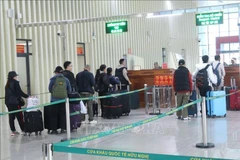
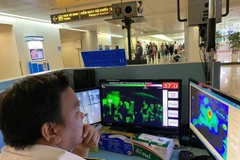
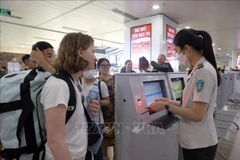
An airport representative said Noi Bai has tightened health controls around the clock, with close coordination between the International Health Quarantine unit and the airport’s emergency medical team helping detect abnormal signs early and ensuring the aviation gateway remains safe and smooth.
Local authorities have been instructed to strengthen disease prevention and control measures at border gates, medical facilities and in the community, stay updated with global disease information, and closely monitor inbound travellers.
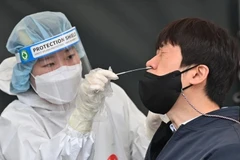
Nipah virus infection is designated a Group A infectious disease, with reported fatality rates of between 40 and 75%. At present, no vaccine or specific antiviral treatment is available. The virus is mainly transmitted from animals to humans or through contact with contaminated food and objects, and can also spread between people via direct contact with bodily fluids and secretions of infected patients.
Vietnam has recorded no cases of Nipah virus infection as of January 26, according to the Ministry of Health (MoH), which has instructed localities to step up surveillance and preventive measures and remain ready to respond to any potential outbreak.
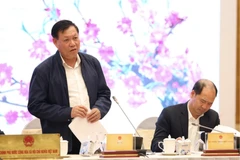
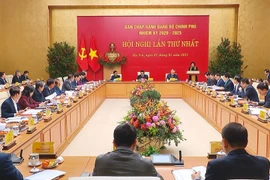
Member of the Party Central Committee and Minister of Health Dao Hong Lan said the Politburo's Resolution No. 72 provides a breakthrough orientation for the protection, care and improvement of the people’s health. It places the people’s health at the centre of all healthcare policies and services, while aiming to address long-standing bottlenecks in the health sector that have yet to be fundamentally resolved.
Ensuring medical security, disease prevention and control, food safety, environmental hygiene, and readiness to handle all medical contingencies is among the key tasks directly contributing to the success of the 14th National Party Congress.
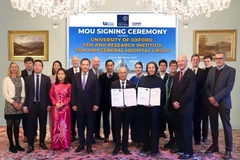
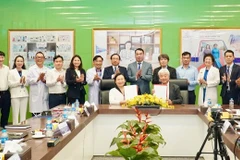
The Hanoi Medical University Elderly Health Care - Medical Complex is designed as a multi-functional integrated hub combining high-quality medical services, education and clinical training, scientific research, technology transfer and comprehensive elderly care, forming a synchronised healthcare–education–research ecosystem.
As Vietnam’s population ages rapidly, Dr Angela Pratt, WHO Representative in Vietnam, identified two strategic priorities: strengthening primary healthcare and developing a formal long-term care system. These measures are essential not only for healthy ageing, but also as long-term investments with wide-ranging socio-economic returns.
Deputy Minister of Health Tran Van Thuan called on experts and healthcare workers to uphold a strong sense of responsibility, professionalism and expertise to ensure that medical services for the 14th National Party Congress are delivered safely, effectively and with the highest level of care.
The eight-week delay far exceeded expectations and highlights the hospital’s high level of expertise and strong multidisciplinary coordination in managing rare, high-risk obstetric cases, giving fragile lives a precious chance from the very beginning.
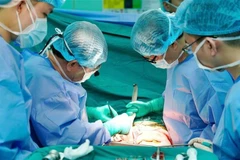
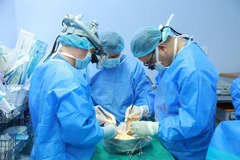
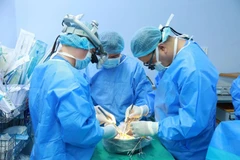
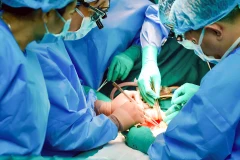
The 108 Military Central Hospital, on January 12, announced that it had successfully performed a multi-organ transplant from a brain-dead donor, a health care worker.
Medical teams will participate in a full rehearsal at the National Convention Centre on January 13 to finalise all preparations ahead of the 14th National Party Congress, which will take place from January 19 to 25.
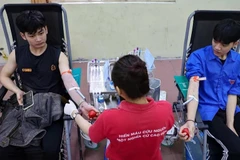
The Red Sunday campaign has mobilised hundreds of thousands of blood units, making a significant contribution to reducing blood shortages during the Lunar New Year (Tet) Festival.
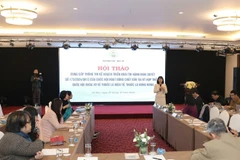
Participating experts underscored that smooth communication and close coordination among medical forces are a decisive factor in efficient emergency response.
Health insurance participants from near-poor households and those aged 75 and above who are receiving social pension allowances will be entitled to 100% coverage of medical examination and treatment costs within the scope of health insurance benefits.
Hanoi's health sector will continue to expand the comprehensive use of digital technology in professional practices to improve management efficiency and service quality, aiming to develop a modern, transparent, and people-centred healthcare system.
Most recently, University Medical Centre HCM City successfully performed two simultaneous transplants, a heart and a liver, using organs donated from a brain-dead patient at People’s Hospital 115.
This is Vietnam’s first pilot initiative combining postal services with low-altitude aviation technology for healthcare purposes, highlighting Vietnam Post’s pioneering role in organising and operating innovative technological solutions in service of the community.