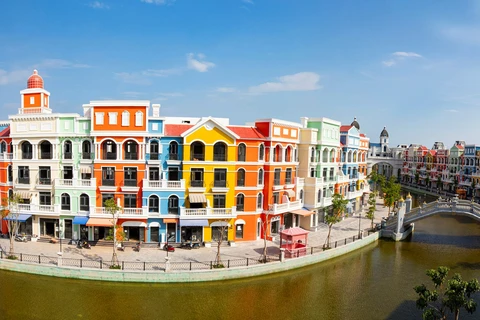
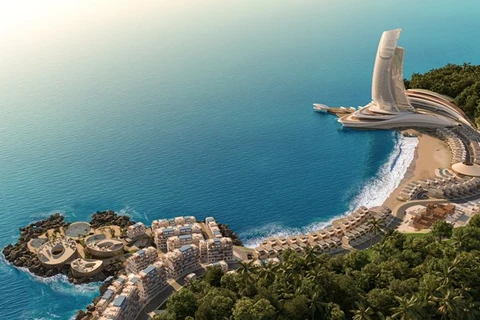
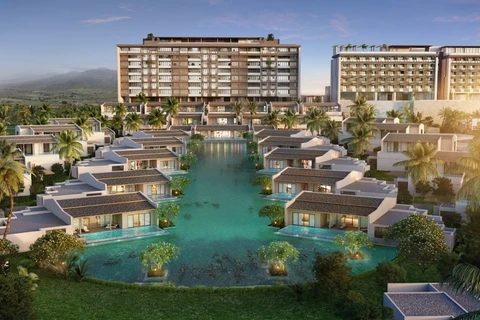
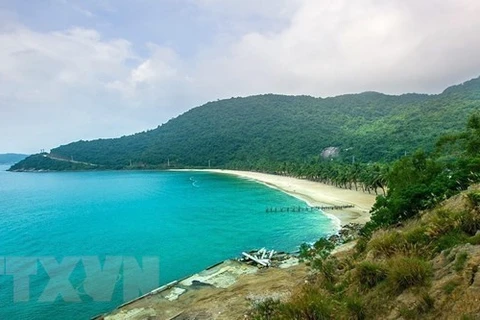
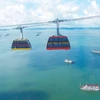
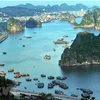
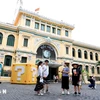
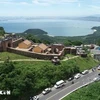
According to TTW, Phu Quoc is emerging as "one of the most desired destinations in Southeast Asia" due to a rare convergence of pristine natural beauty and a heavily invested, modern tourism ecosystem. From sweeping white sands and turquoise waters to global-class resort and entertainment complexes, the island is drawing an increasing number of international travelers seeking an experience that seamlessly balances luxury with a rich local identity.
The People’s Committee of Khanh Hoa province has issued a plan for the 2026 Sea Festival, which will take place at the April 2 Square in Nha Trang ward from July 17-19.
The Phu Quy special zone, an island district off the south-central coast of Vietnam, is capitalising on its strong marine economy potential, particularly in tourism and fisheries, to transform the island’s economy, improve local livelihoods and position itself as a key sea-based economic hub.
As night falls, the dining experience transcends to the extraordinary as the Phu Quoc sky ignites with spectacular fireworks from the Symphony of the Sea and Kiss of the Sea shows.
To maintain growth and move towards becoming a premier Asian tourism destination, Da Nang has outlined a comprehensive development strategy focused on both infrastructure and product diversification.
Known for its white-sand beaches, luxury resorts, night markets, and large-scale entertainment projects, the island is increasingly attracting travellers looking for a tropical getaway that combines nature with modern tourism infrastructure.
Alongside wedding tourism, Quang Ninh is also seeing robust growth in arrivals of Indian MICE travellers. Delegations of hundreds, and sometimes thousands, of visitors have been coming to the province for conferences, seminars and incentive travel programmes combined with leisure stays.
The strong performance reflects not only seasonal demand but also changing travel trends, with new tourism products, immersive experiences and short-distance travel gaining popularity.
One of the most distinct differences lies in the very first step of the journey: entry. Phu Quoc is currently the only destination in Vietnam to apply a 30-day visa-free policy for direct international arrivals.
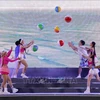
Phu Quoc is evolving into a closed-loop entertainment ecosystem developed by Sun Group in the southern part of the island. Here, visitors can enjoy a full itinerary from dawn until late at night without the need for long-distance travel.
Da Nang expects to welcome nearly 20 million domestic and international visitors in 2026, continuing to affirm its appeal as a dynamic and distinctive destination in Vietnam and the region.
More than a simple tourist spot, this pristine gem snagged UNESCO World Biosphere Reserve status back in 2009 thanks to its rich biodiversity and strikingly untouched environment.
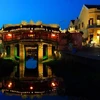
The list also features Hoi An in Da Nang, further highlighting Vietnam’s growing appeal as a destination for immersive on-foot travel experiences.
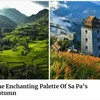
Benefiting from improved transport connectivity, Sa Pa continues to rank among northern Vietnam’s most attractive holiday destinations.
A survey by booking.com shows that around 33% of Vietnamese respondents are planning short domestic trips for the upcoming Hung Kings Commemoration Day and Reunification Day (April 30)–May Day (May 1) holidays, while 22% are opting for longer international journeys compared to last year.
The identity of Hilton Quang Hanh Onsen Resort is rooted in its rare natural saline hot mineral source, ranked among the top 5% of high-quality saline mineral resources worldwide.
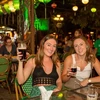
From the perspective of Indian media, the island’s appeal does not lie in anything far-fetched, but in a rare combination of values: easy accessibility, safety, premium experiences, and surprisingly “affordable” costs.
This upcoming April 30 – May 1 holiday, the Sun Festival stands out as an unmissable destination for visitors to Da Nang – a place where every step leads into a new realm of emotion, and every moment is worthy of being cherished forever.
According to Nguyen Vu Khac Huy, Chairman of the provincial Tourism Association, Phu Quoc’s tourism boom is driven by expanded air connectivity, a surge in high-end resorts, visa exemptions, and recognition in global travel rankings. Notably, the island has been named among the world’s top four trending destinations for 2026.
For Hanoi tourism sector, the national holidays to commemorate Hung Kings (April 25-27), along with the national reunification celebration (April 30) and the Labour Day (May 1) are not only a peak time for welcoming visitors but also a test of its operational capacity, service organisation, and destination quality in the context of a volatile market.