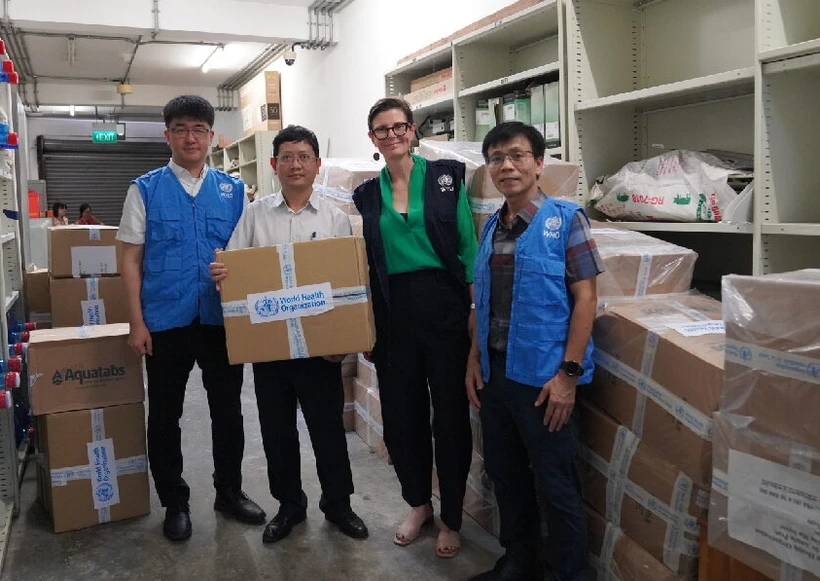
Hanoi (VNA) – The World Health Organisation (WHO) has urgently dispatched and delivered 1 million water purification tablets and 500 water containers to Vietnam’s Ministry of Health. This vital aid was set to reach areas hardest hit by typhoon Yagi in northern Vietnam by the end of September 13.
WHO has announced the emergency relief in response to the devastation caused by typhoon Yagi, which has severely impacted hundreds of thousands across northern Vietnam.
The storm brought strong winds, heavy rains, flooding, and landslides, affecting millions of people. At least 325 individuals have been reported dead or missing, with hundreds more injured and thousands of families displaced. Additionally, the storm destroyed 130,000 homes and hundreds of healthcare facilities.
In many areas, the typhoon has disrupted water supplies for both households and healthcare centers. Flooding, landslides, and fallen trees have severely damaged water and electricity infrastructure, and it may take weeks, if not longer, to restore these services.
Dr. Angela Pratt, WHO Representative in Vietnam, expressed her deep sadness over the rising death toll and ongoing dangers faced by people in flood-affected regions.
As part of WHO’s efforts to support Vietnam’s response to the typhoon impacts, the organisation has donated 1 million water purification tablets and 500 water containers to those affected in the country.
This contribution will supply approximately 15 million liters of clean water, ensuring safe drinking water for the affected families and healthcare facilities in the eight worst-hit provinces, including Bac Giang, Cao Bang, Dien Bien, Lai Chau, Lao Cai, Phu Tho, Thai Nguyen, and Yen Bai.
Dr. Pratt highlighted the importance of clean water in preventing waterborne and foodborne diseases. She emphasised that the provision of clean water is essential to ensuring the continued safe operation of healthcare facilities and enabling them to care for both storm-related injuries and daily medical emergencies.

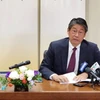
Duong Duc Thien, Chief of the Office of the Disaster Prevention and Search and Rescue Command of the Ministry of Health, said amid the severe damage caused by typhoon Yagi, the ministry officially called for international aid. He expressed gratitude for the reliable support from partners like WHO in both immediate response efforts and long-term recovery.
WHO, along with other United Nations agencies, has been involved in joint assessment teams working with the Vietnamese government to evaluate the extent of the damage, assess needs, and ensure targeted support is provided. Also collaborating closely with national and local authorities, WHO is working to monitor and prevent the spread of waterborne and infectious diseases in the coming weeks and months, while continuing to support the government in mobilising additional resources.
Furthermore, with support from USAID, WHO is working with government partners to broadcast safety messages in various ethnic minority languages through local radio and community loudspeakers. This initiative aims to ensure that ethnic minority communities, especially those in remote areas, receive consistent health and safety information.
Dr. Pratt reaffirmed the WHO's commitment to supporting the government’s response and recovery efforts.
She said that the organisation is working closely with the Vietnamese government and remains dedicated to providing assistance in every way possible./.