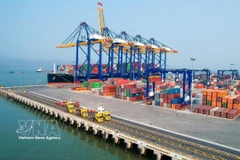
Hanoi (VNA) – Vietnam’s agro-forestry-aquatic product exports see ample room for growth in 2025 after achieving a record high revenue of 62.5 billion USD in 2024, insiders have forecast.
This year, Vietnam eyes an agricultural export value of 64-65 billion USD. The country has been effectively implementing many projects to promote the exports to major markets such as China, Japan, and the European Union (EU) while making efforts to access new markets like the Middle East, Africa, and South Asia. Negotiations for new orders for 2025 create solid foundations for a strong leap in agricultural product exports.
New targets for sectors
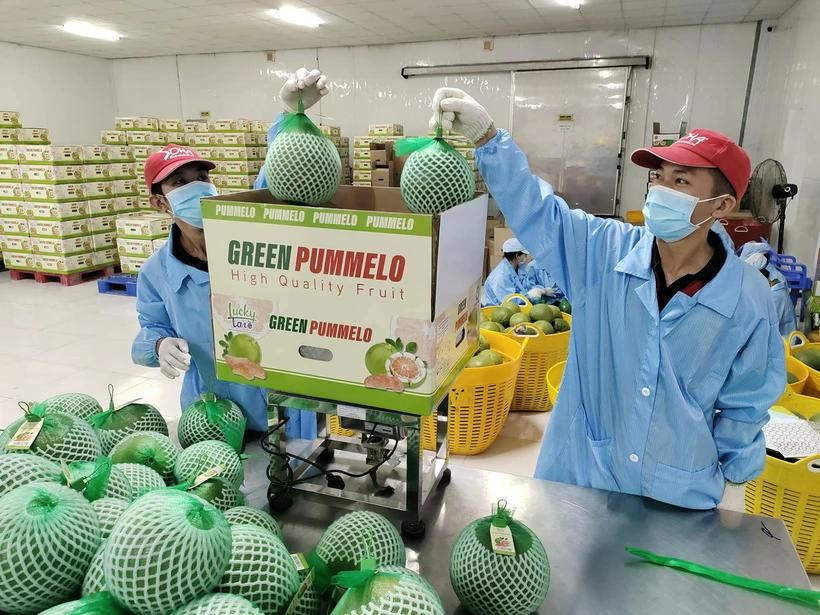
The vegetable and fruit sector saw a significant breakthrough in 2024, with an export turnover of 7.12 billion USD, up 27.1% year-on-year. It aims for an export turnover of over 8 billion USD in 2025.
Nguyen Thanh Binh, Chairman of the Vietnam Fruit and Vegetable Association, said that vegetables and fruits are Vietnam's strengths, exported to over 60 markets worldwide. In addition to fresh products, Vietnam has also increasingly exported many processed items.
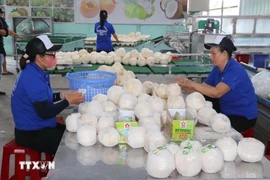
Vietnamese enterprises' export capacities continue to improve, effectively meeting requirements of markets. For instance, exports of Vietnamese fruits like durian, bananas, and coconuts to China witnessed positive growth and capturing a significant market share.
The outlook for vegetable and fruit exports in 2025 is optimistic as types of Vietnamese fruits have been allowed to enter new markets. According to the Plant Protection Department, Vietnam and the US are negotiating phytosanitary measures for fresh passion fruit. Once the negotiation is completed, Vietnamese passion fruit products are expected to enter the US market in 2025.
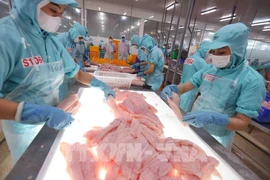
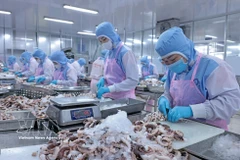
Vietnam’s fishery sector also pins high hope on an export growth target of 10-15% in 2025, and a turnover of over 11 billion USD. Last year, aquatic product exports brought home 10.07 billion USD, an increase of 12.2% compared to that of 2023.
Nguyen Hoai Nam, Deputy Secretary-General of the Vietnam Association of Seafood Processing and Export (VASEP), said that the export outlook for many products such as shrimp and catfish is very promising this year.
VASEP suggests the Government, the Ministry of Finance, and the State Bank of Vietnam continue to enhance export credit, and credit packages for forestry and aquatic products to support enterprises amidst increasingly fierce export competition.
Meanwhile, the exports of coffee, pepper, and cashew nuts also see significant growth opportunities. In 2024, all these three product categories earned export values worth billions of USD.
Coffee has risen to the third position among the largest agricultural export items of Vietnam, after vegetables and fruits, and rice, with an export turnover of 5.48 billion USD. The growing global demand for coffee, along with the improved quality of Vietnamese coffee and the diversity of deep-processed products, provide a basis for the export to achieve a turnover of 6 billion USD in 2025.
Expanding markets
According to Deputy Director of the Policy and Strategy Institute for Agriculture and Rural Development Nguyen Anh Phong, in the first quarter of 2025, exports of agricultural products are still projected to grow well due to the anticipated increase in global demand because supply chains have been disrupted in some countries affected by armed conflicts and trade competition among major nations.
Regarding markets, the US remains a major export market of Vietnam due to its large population and high demand which create many opportunities for the export of seafood, wooden products, coffee, pepper, and fruits.
In the Chinese market, the demand for vegetables, fruits and seafood is also predicted to increase strongly, by 6.64% per year and 7.56% per year, respectively, from 2024 to 2029. Furthermore, with a favourable geographical position, Vietnamese agricultural products can be transported to China quite easily while maintaining their natural quality and freshness at reasonable prices, providing a significant competitive advantage in the context of rising logistics costs.
Additionally, some other products like cassava and rubber will see increased imports from China due to its limited domestic supply. Moreover, starting in 2024, Vietnamese agricultural products have first appeared on Chinese e-commerce platforms and social networks like TikTok, Kuaishou, Taobao, JD.com, and Xiaohongshu, opening new and effective trading avenues.
There is particularly strong growth potential for seafood, fruit, and rice exports to Middle Eastern markets.
According to VASEP, countries such as Israel, Saudi Arabia, the UAE, and Qatar are potential export markets. Products like tuna and catfish have significant opportunities to expand their market shares in this region. However, exporters need to pay attention to complying with Halal standards throughout the entire process from production, processing to transport.
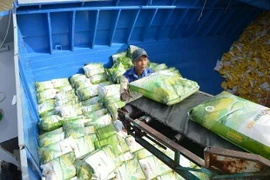
Meanwhile, for rice, some Middle Eastern countries have a high demand for Vietnamese rice and are willing to invest in varieties and capital for Vietnam to export rice to these markets./.