Drones fly in Vietnam without licences

Camera-equipped drones known as flycams have become increasingly popular, especially among Vietnamese photographers and filmmakers, but few people know they need permission from the Ministry of Defence to fly the devices.
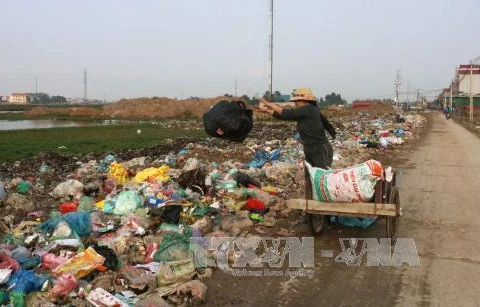
Drones fly in Vietnam without licences ảnh 1Camera-equipped drones known as flycams have become increasingly popular, especially among Vietnamese photographers and filmmakers, but few people know they need permission from the Ministry of Defence to fly the devices (Photo: laodongthudo.vn)

Hanoi (VNS/VNA) -Camera-equipped drones known as flycams have become increasingly popular,especially among Vietnamese photographers and filmmakers, but few people knowthey need permission from the Ministry of Defence to fly the devices.

According to Thanh Nien (Young People) Newspaper, sales of flycam drones havebeen booming in stores in big cities and online shops.

The newspaper’s reporters visited shops in HCM City’s Go Vap district, District10 and District 3 and were shown flycams with prices ranging from 2 million to30 million VND (90 to 2,200 USD).

According to sellers, most are young people, backpackers and photographers.

Flycam drones can take photos or film from an aerial view.

A flycam user who lives in Go Vap district told the paper that “using a flycamdrone is not difficult, you just need to practice”.

“You can fly the drone anywhere you like but should not fly in sensitive areas[military or police controlled areas] because you will be fined and the dronewill be seized,” he said.

Currently, 90 percent of flycam drone users are unlicensed, he told the paper.

An owner of wedding studio admitted that his photographers usually used flycamdrones to take wedding photos and videos.

“Most photo albums and videos clips were made in deserted areas such asmountains or beaches. So we have not asked for permission, and nobody asked usfor our licence,” he said.

The defence ministry regulated the use of flying cameras in Decree No. 36,issued in 2008, but the regulations are unfamiliar to local fans of the drones.

Colonel Nguyen Xuan Tien from the Ministry of Defence’s airforce division 370said flycams were regulated strictly.

The defence ministry asked ministries, sectors and localities to strengthentheir management of flycam drones to ensure airway traffic safety and socialorder.

Under the document, organisations and individuals must ask for permission fromthe ministry before using flycam drones, and can use the flycam drones onlywhen they are licensed.

Organisations and individuals who want to import, export, design, produce andsell the equipment must also be licensed by the ministry.

The Hanoi-based Department of Operations of the General Staff is the agencythat grants licences to flycam users.

Flycams fly to altitudes below 50m are managed by district-level militarycommands while those flying from 50m to 200m are controlled by districtmilitary commands, said the colonel.

Drones flying from 200m to 500m are watched by the airforce defence sectors ofmilitary zones in areas the drones are used in, while the airforce defencedivisions of Air Defence and Air Force is in charge of managing flycams flyingup to 500m.

People who want to use flycam drones in public should join licensed aviationclubs, said the colonel.-VNA
VNA

See more

Hanoi police officers issue Level-2 electronic identification accounts. (Photo: VNA)

Digital ID holders get fee waivers, discounts

The Ministry of Finance has issued circular No. 117/2026/TT-BTC, effective from August 15, 2026 to February 28, 2027, offering incentives to citizens who meet the prescribed conditions.

Candidates familiarise themselves with the computers before sitting the Vietnamese language proficiency assessment in Osaka on August 15, 2026. (Photo: VNA)

Vietnamese language celebrated as first computer-based proficiency test held overseas

For Vietnamese communities overseas, Vietnamese is not merely a means of communication but also an important part of cultural identity and a bond connecting people with their homeland. For foreigners who have developed an affection for Vietnam, learning the language opens another door to a deeper understanding of the country's culture, history and people.

A police officer introduces a foreign visitor to the “Smart police station” kiosk, making it easier for international visitors to access police support services. (Photo: VNA)

Pilot "Smart police station" kiosk launched in Hanoi

During the pilot phase, the "Smart police station" provides five core functions: crime/incident reporting; SOS emergency calls; crime alert; finding the nearest police stations and administrative offices; and legal Q&A.

A public servant at the Public Administrative Service Centre of Vinh Yen ward, Phu Tho province, guides residents through the marriage registration process on the online public service portal. (Photo: VNA)

Digital literacy campaign lays foundation for digital citizens in Phu Tho province

After nearly a year, the “Digital Literacy for All” campaign in Phu Tho is demonstrating its effectiveness through tangible results. Residents who were once hesitant about technology are becoming increasingly familiar with VNeID, online public services, cashless payments, and digital platforms for learning, production, and business.

Firefighters and rescue personnel deploy specialised equipment to rescue two truck drivers trapped in their cabins. (Photo: VNA)

Road accident fund to provide support from September

Under Decree No. 279/2025/ND-CP and Circular No. 126/2026/TT-BCA, injured victims with bodily injury rates of over 31% to below 81% may receive up to 10 million VND (381 USD) per case, while families of deceased victims may receive up to 20 million VND.

Ha Thanh, Chairwoman of the Ho Chi Minh City Union of Friendship Organisations and head of the advisory council for international integration, people-to-people diplomacy and overseas Vietnamese affairs under the Vietnam Fatherland Front Committee of the city (Photo: VNA)

New resolution seeks to unlock OV resources for national development

Ha Thanh, Chairwoman of the Ho Chi Minh City Union of Friendship Organisations and head of the advisory council for international integration, people-to-people diplomacy and overseas Vietnamese affairs under the Vietnam Fatherland Front Committee of the city, said Resolution No. 23 builds on the fundamental viewpoints of the Politburo's Resolution No. 36-NQ/TW issued in 2004, reaffirming that overseas Vietnamese are an inseparable part of the nation and a bridge connecting Vietnam with the world.

The Vietnamese Embassy in London's Education Section and representatives from the Department of Higher Education (Ministry of Education and Training) visit and hold a working session at Queen Mary University of London. (Photo published by VNA)

Vietnam-UK education cooperation: From market to partnership

In the 2024/25 academic year, about 3,725 Vietnamese students studied in the UK, while 13,285 enrolled in UK programmes delivered in Vietnam. Both flows are growing, but the balance is increasingly shifting towards UK education being delivered to learners in Vietnam. If managed strategically, this could enable Vietnam to expand access to international education at home while improving the quality of its workforce.

A bus picks up passengers on National Highway 22 (Le Quang Dao Street), near An Suong Bus Station. (Photo: VNA)

Free bus fares drive sharp rise in ridership in Ho Chi Minh City

As of August 12, the city’s bus network had served nearly 12 million passenger trips, up about 44% year on year. On August 12 alone, around 306,000 passengers used free buses, an increase of roughly 55%, despite students having yet to officially return to school.