Singapore (VNA) – Floods, loss of biodiversity and sea level rise are the top three perceived climate change impacts in Southeast Asia, according to a climate survey on regional people's attitudes and perceptions conducted by the ISEAS – Yusof Ishak Institute (ISEAS).
According to the Southeast Asia Climate Outlook Survey, conducted online from June 11 to August 2, 2021, the issues are most concerned by people in Laos, Malaysia and Thailand.
Compared to 2020, 13 percent more Indonesia respondents and 10 percent more Malaysia respondents are concerned about tropical storms. In Indonesia, the Philippines and Singapore, loss of biodiversity is no longer perceived as a top impact and was replaced with floods or rainfall-induced landslides.
The vast majority of respondents recognised the importance of climate change and considered it as a serious and immediate threat.
In the absence of global climate leadership over the last few years, 30.7 percent of ASEAN respondents believe that the EU has demonstrated strongest leadership. Regarding countries that should play a more proactive role in sharing their climate expertise, most respondents chose the EU, Japan and the US.
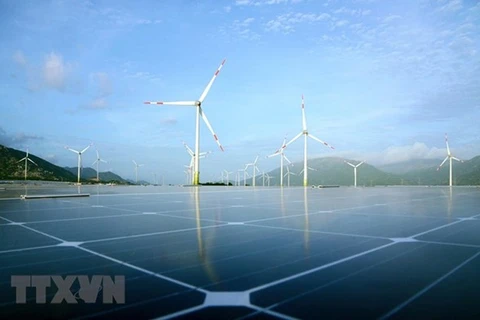
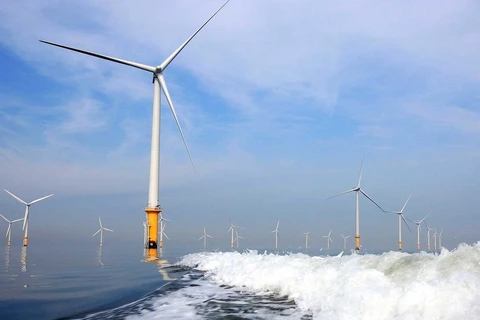
The report pointed out that the level of confidence in ASEAN renewable energy transition is low. On a scale of 0 to 10, with 0 being not confident and 10 being extremely confident, ASEAN respondents only ranked their confidence at 4.6 for ASEAN to achieve its 23 percent target share of renewable energy by 2025. Conversely, they ranked their confidence at 6.6 for economic competitiveness resulting from better and innovative climate change policies.
A majority of respondents disagree (45.6 percent) or are unsure (38.7 percent) that their governments' COVID-19 stimulus spending contributed to a green recovery.
Choi Shing Kwok, Director and CEO of ISEAS – Yusof Ishak Institute, said that the results showed that Southeast Asians believed that more should be done to address climate change issues, with a majority viewing climate change to be as much of a crisis as the COVID-19 pandemic.
Survey respondents also believed that better and more innovative climate change policies can result in higher economic competitiveness, he said, adding that this will translate into strong support for governments and private companies pursuing climate change initiatives in the region./.
According to the Southeast Asia Climate Outlook Survey, conducted online from June 11 to August 2, 2021, the issues are most concerned by people in Laos, Malaysia and Thailand.
Compared to 2020, 13 percent more Indonesia respondents and 10 percent more Malaysia respondents are concerned about tropical storms. In Indonesia, the Philippines and Singapore, loss of biodiversity is no longer perceived as a top impact and was replaced with floods or rainfall-induced landslides.
The vast majority of respondents recognised the importance of climate change and considered it as a serious and immediate threat.
In the absence of global climate leadership over the last few years, 30.7 percent of ASEAN respondents believe that the EU has demonstrated strongest leadership. Regarding countries that should play a more proactive role in sharing their climate expertise, most respondents chose the EU, Japan and the US.
The report pointed out that the level of confidence in ASEAN renewable energy transition is low. On a scale of 0 to 10, with 0 being not confident and 10 being extremely confident, ASEAN respondents only ranked their confidence at 4.6 for ASEAN to achieve its 23 percent target share of renewable energy by 2025. Conversely, they ranked their confidence at 6.6 for economic competitiveness resulting from better and innovative climate change policies.
A majority of respondents disagree (45.6 percent) or are unsure (38.7 percent) that their governments' COVID-19 stimulus spending contributed to a green recovery.
Choi Shing Kwok, Director and CEO of ISEAS – Yusof Ishak Institute, said that the results showed that Southeast Asians believed that more should be done to address climate change issues, with a majority viewing climate change to be as much of a crisis as the COVID-19 pandemic.
Survey respondents also believed that better and more innovative climate change policies can result in higher economic competitiveness, he said, adding that this will translate into strong support for governments and private companies pursuing climate change initiatives in the region./.
VNA