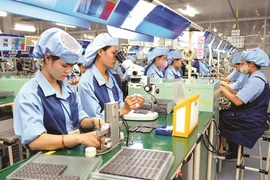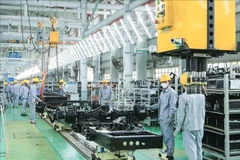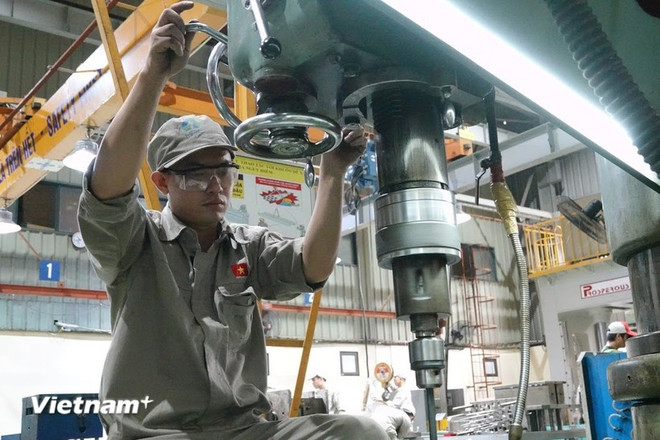
Hanoi (VNA) - Vietnamese supporting industry enterprises have been improving production capabilities and joining global supply chains. Yet, over 30% still rely on manually controlled equipment, more than 50% use semi-automatic machinery, and fewer than 10% employ robots in production linesC
Challenges in markets, technology, human resources, and capital have hindered growth. Recognizing these weaknesses, the government has introduced policies to accelerate development.
Limited competitiveness
The Ministry of Industry and Trade notes that supporting industry has progressed due to government incentives and business efforts. Vietnam now has around 5,000 supporting industry enterprises supplying domestic and export markets—including the Republic of Korea, Japan, China, and the U.S.—with products like electrical cables, gearboxes, and plastic components.
About 100 firms serve as first-tier suppliers to multinational corporations, while roughly 700 are second- and third-tier suppliers. For instance, around 50 companies are first-tier and 170 are second-tier suppliers to Samsung.
Despite policies connecting domestic and FDI enterprises, links remain weak. Investment in supporting industry is limited due to slow returns and lower profitability compared to other sectors.
Tran Van Nam, CEO of MBT Electrical Equipment, said most inputs and machinery must be imported, as domestic products cannot meet demand. He emphasized the need for government and association support to connect businesses, boost production capacity, improve quality, and open new markets.
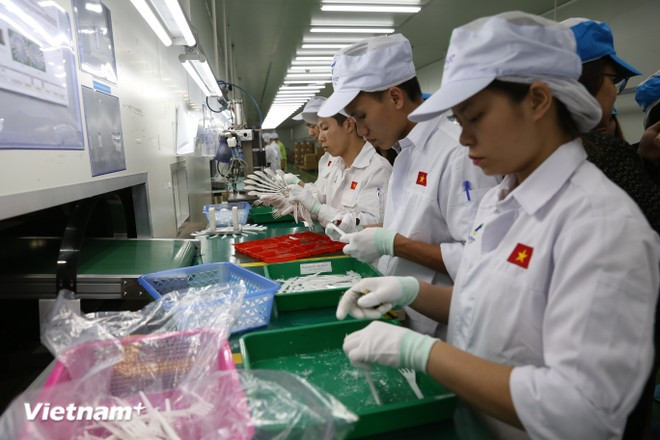
Nguyen Tien Thuong, CEO of Brother Vietnam Screw JSC, noted that while most screw production steel is domestic, higher local prices hinder competitiveness.
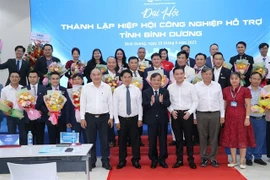
Nguyen Van, Vice President of the Hanoi Supporting Industry Business Association (HANSIBA) added that Hanoi’s 900 supporting industry firms still face limitations: products remain simple, with low technological content, low localization, and limited capacity for complex, high-tech components needed for global supply chains.
Unlocking potential
On July 17, 2025, the government issued Decree 205/2025/ND-CP, amending Decree 111/2015/ND-CP. Effective September 1, 2025, it offers stronger incentives in technology, human resources, finance, land, and administrative procedures, aiming to attract investment as companies restructure global supply chains and shift production domestically.
Mac Quoc Anh, Vice President and General Secretary of the Hanoi SME Association, said the expanded incentives in capital, technology, and markets provide a strategic boost for rapid development. Financial, technical, and market support will be expanded, and R&D, technology transfer, and workforce training will receive up to 70% support.
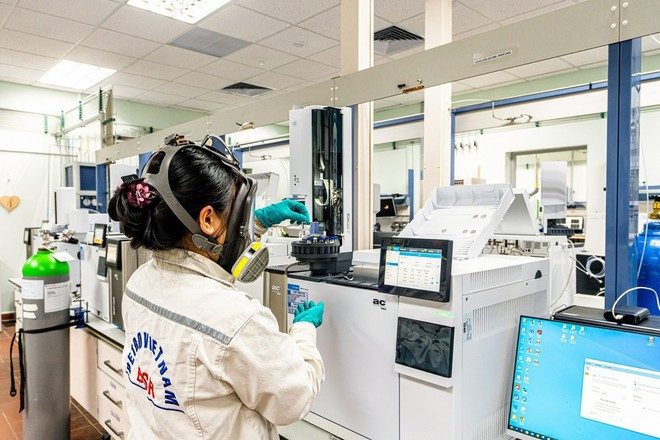
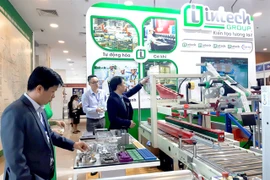
Nguyen Trung Kien, CEO of KNTECH, said the policies help SMEs access advanced technology, improve product quality, and increase competitiveness, with additional benefits from simplified administrative procedures under the Law on SMEs.
Experts agree that if implemented transparently, Decree 205/2025/ND-CP will act as a “lever” to modernize Vietnam’s supporting industry, reduce reliance on imports, and increase integration into regional production networks. The decree also helps firms overcome investment barriers, access international markets, and build independent production capacity./.