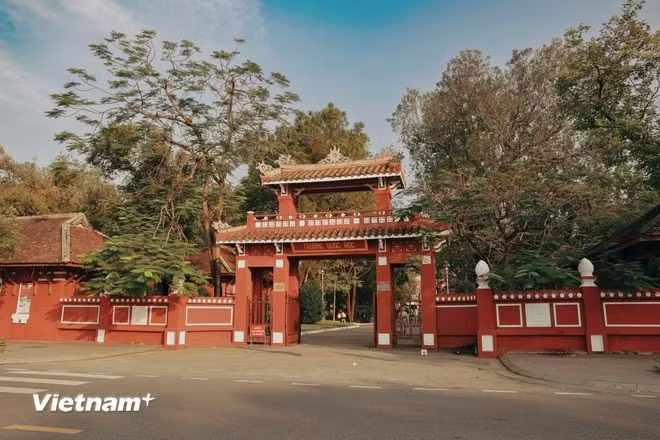
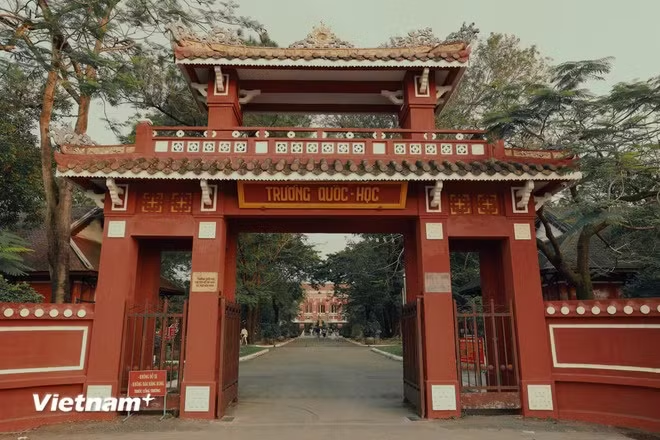
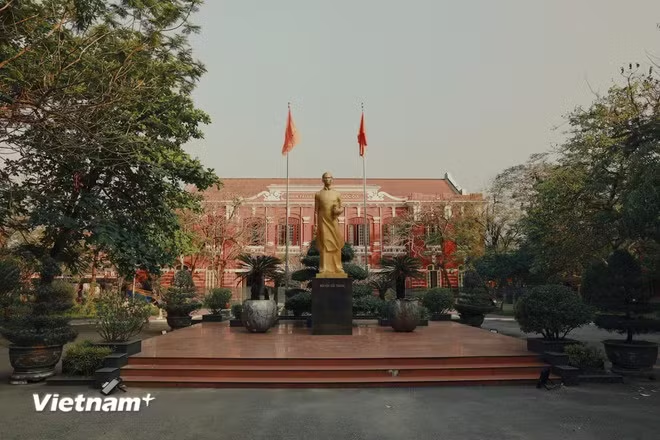
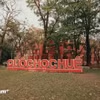
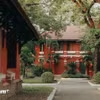
Established on October 23, 1896, under a Royal Decree from Emperor Thanh Thai, the Hue National School was initially called Phap Tu Quoc Hoc Duong. Its name has undergone several changes over the years, and since 1956 has been known as the Hue High School for the Gifted. (Photo: Vietnam+)
For over 120 years, the school has remained a familiar stop for both locals and tourists exploring the city. (Photo: Vietnam+)
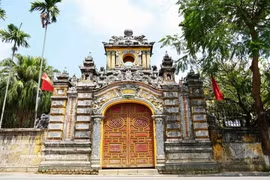
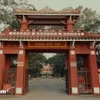
Its main gate features a two-storey traditional design, with a wooden upper level and a roof tiled with glazed imperial-yellow ceramics. To the right stands a decorative screen bearing a “dragon-horse” motif, built in the same year and still preserved today. (Photo: Vietnam+)
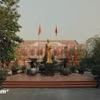
Over its 120-year history, the school has become one of Hue’s most renowned institutions, having educated many distinguished figures, including President Ho Chi Minh, Party General Secretary Tran Phu, and General Vo Nguyen Giap. (Photo: Vietnam+)
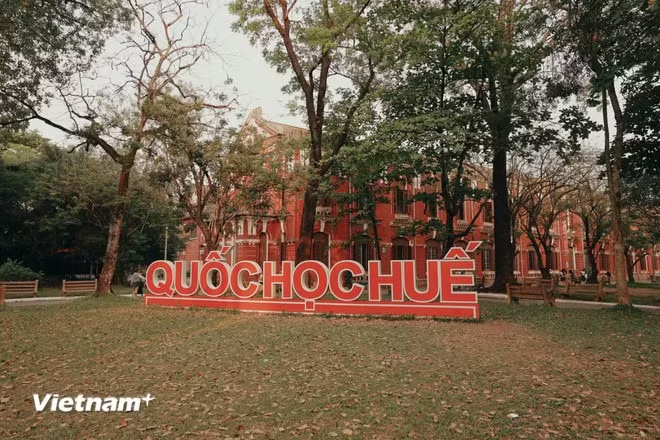
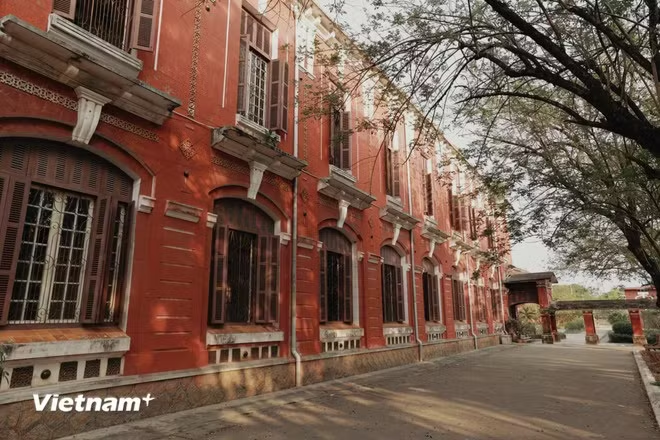
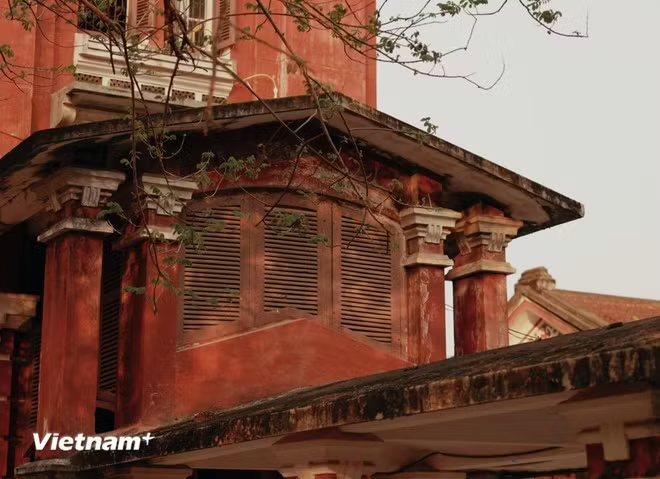
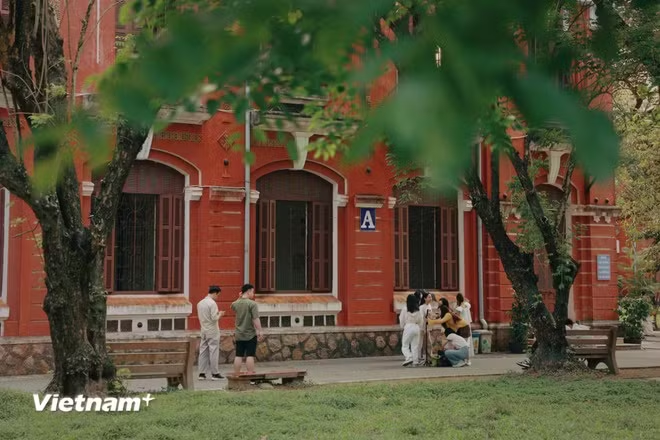
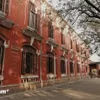
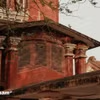
A defining feature of the school is its rows of buildings designed in classical French architectural style, creating a timeless elegance that reflects Hue’s cultural identity. (Photo: Vietnam+)
The campus includes four main teaching blocks, along with a gymnasium and a memorial house. (Photo: Vietnam+)
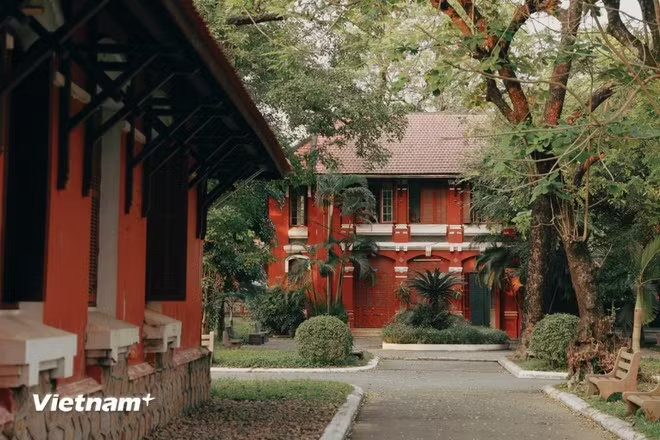
The school’s beauty can be appreciated from every angle. (Photo: Vietnam+)
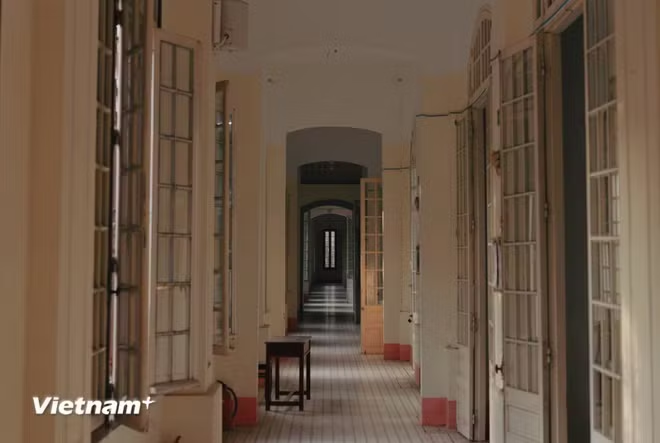
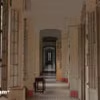
From window frames and tiled roofs to long corridors and timeworn staircases, every detail evokes a poetic sense of stepping back in time. (Photo: Vietnam+)
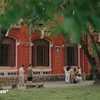
In early April, when the weather remains mild and pleasant, the school becomes an appealing destination for young visitors and tourists. (Photo: Vietnam+)
0
1
2
3
4
5
6
7
8

Hue National School reflects enduring elegance of imperial city

The enduring charm of Hue National School, with more than a century of history, continues to captivate generations of students, as well as local residents and visitors to the former imperial capital.