OCOP programme adds diversity to tourism activities in Mekong Delta

Showcasing the cultural essence conveyed through each item made under the One Commune, One Product (OCOP) programme for tourists is adding diversity to tourism activities in the Mekong Delta, while stepping up new rural development and improving people's income in the region.
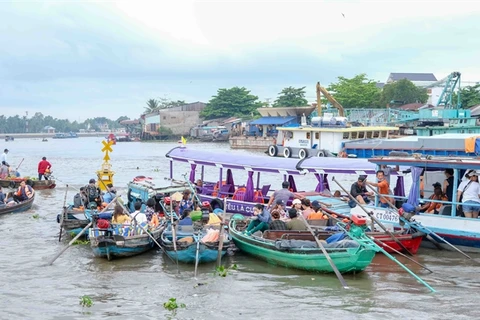
OCOP programme adds diversity to tourism activities in Mekong Delta ảnh 1Cai Rang floating market in Can Tho (Photo: VNA)

Hanoi (VNA) – Showcasing the cultural essence conveyed through each item made under the One Commune, One Product (OCOP) programme for tourists is adding diversity to tourism activities in the Mekong Delta, while stepping up new rural development and improving people's income in the region.

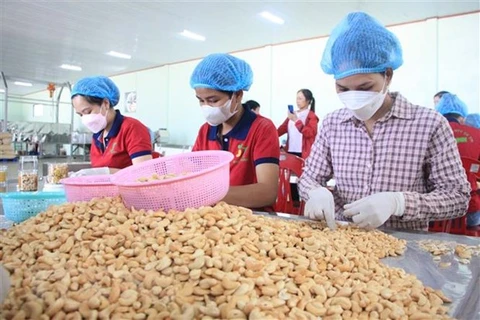
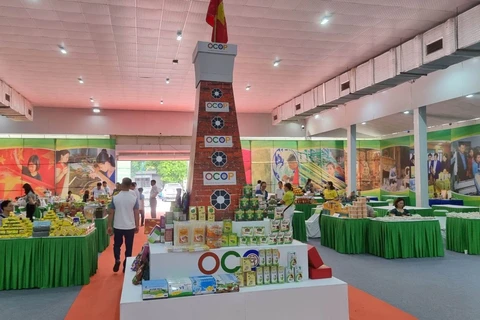
With the starring of OCOP products, localities have made initial positive efforts in developing tourism associated with them. They are attracting visitors by combining the development of various types of tourism such as cultural, rural agricultural, ecological and shopping tourism.

According to a report from the Central Coordination Office for New Rural Development, the OCOP programme has been widely carried out in all 63 cities and provinces with six main product groups, including food and beverages, apparel, souvenirs, décor and furniture, herbs, hospitality services, and community tourism and tourist destinations. Currently, there are over 8,800 OCOP products nationwide.

In the Mekong Delta - a region known for its large-scale production of fruits, rice, and aquaculture in the country, numerous OCOP products have been recognised and supplied to both domestic and foreign markets. These products drive the formation of many tourism and service offerings that are unique and distinctive.

The country currently has over 60 OCOP products belonging to the category of community tourism services and tourist attractions. Many regions, including the Mekong Delta, have taken their advantages in terms of natural conditions, agricultural production, culture, and traditional craft villages to develop unique tourist destinations as OCOP products.

OCOP programme adds diversity to tourism activities in Mekong Delta ảnh 2Ca Mau's OCOP items of three stars and above (Photo: VNA)

The southernmost province of Ca Mau is aiming to elevate its destination in the form of community-based tourism development in Dat Mui commune of Ngoc Hien district. It is building the Dat Mui cultural tourism village as a prominent OCOP product achieving a 4 to 5-star rating in the near future. It will be a place where many households engage in ecotourism activities and showcase the authentic and vibrant livelihoods of the local people, including farming activities, exploitation of aquatic products, and preservation of the mangrove ecosystem, as well as cultural aspects such as culinary traditions, customs, and practices.

Vice Chairman of the Dat Mu People’s Committee Lam Quoc Trach said the commune is gradually improving traditional craft chains and establishing craft villages, such as those specialising in making dried fish, dried shrimp and fish sauce. These craft villages promote tourism as they allow visitors to witness and immerse themselves in the authentic and vibrant labor-intensive production activities./. 
VNA

See more

Resorts set along some of the world’s most beautiful beaches make a vacation in Phu Quoc even more rewarding. Photo: Premier Village Phu Quoc.

Thailand's newspaper spotlights Phu Quoc as luxurious vacation island for 2026

In an article highlighting islands suited to luxury vacations, Thairath placed particular emphasis on Phu Quoc’s appeal to Thai travellers. The newspaper described Vietnam’s largest island as an ideal choice for those seeking the privacy and comfort of a five-star retreat without spending hours in transit.

Karst limestone mountains in the Phong Nha - Ke Bang National Park, with large cave entrances opening amid the primeval forest, reflect a geological formation process spanning millions of years. (Photo: VNA)

Phong Nha - Ke Bang named among Vietnam’s 11 most beautiful destinations

According to the magazine, boat trips into Phong Nha Cave and strolls through Paradise Cave (both family-friendly) offer a tantalising glimpse of their astonishing scale, but the real adventure lies deeper within the park, where cavers wade through underground rivers and weave among stalagmites.

The Trang An Festival 2026 opens at Trang An Ecotourism Site in Ninh Binh province on May 3 (Photo: VNA)

Tourism seeks new growth momentum under Resolution 26

Tourism effectiveness should be measured not only by visitor numbers and revenue, but also by spending, length of stay, repeat visits, job quality, visitor satisfaction and environmental carrying capacity, said experts.

Vietnam welcomes nearly 2 million international visitors in August, up 19.7% from July and 18.4% year-on-year. (Illustrative photo: VNA)

Vietnam tourism maintains strong growth, expands international markets

The National Statistics Office under the Ministry of Finance reported that Vietnam welcomed nearly 2 million international visitors in August, up 19.7% from July and 18.4% year-on-year. The figure represented 63.6% of the tourism sector’s full-year target of 25 million arrivals.

News website news.ru reports that the number of Russian visitors to Vietnam could reach a historic record of 1.5 million in 2026. (Photo: VNA)

Russian arrivals to Vietnam forecast to reach record high

Russian arrivals to Vietnam surpassed 1 million in the first eight months of 2026, representing a remarkable 165.7% increase year-on-year. This was the highest growth rate among Vietnam’s major international tourist markets.

Secretary of the Party Central Committee and Deputy Prime Minister Pham Thi Thanh Tra speaks at the conference. (Photo: VNA)

Vietnam moves to make tourism a true new growth driver

Resolution No. 26-NQ/TW, issued on August 22, sets out a new vision, with a focus on fundamentally renewing the mindset, methods and approaches to tourism development and governance, shifting from quantity to quality and increasing the sector’s contribution to the national economy.

Tourists visit Golden Bridge in Da Nang city in the rainy season. (Photo: hanoimoi.vn)

Turning rainy season into tourism opportunity

Seasonality has long been a challenge for Vietnam’s tourism industry. In many localities, tourism peaks in summer but visitor numbers fall during the rainy months. Destinations are now seeking to restructure their tourism ecosystems and develop products that can operate year-round.

A pot of Mi Quang (Quang noodles). (Photo: VNA)

Da Nang promotes distinctive cuisine as key tourism attraction

As travellers increasingly seek authentic local experiences, the central coastal city of Da Nang is stepping up efforts to integrate cuisine into tourism itineraries, linking culinary promotion with destination branding and cultural preservation.

Flower vendors form a distinctive feature of Hanoi’s autumn. (Photo: VNA)

Hanoi builds four-season tourism appeal

Hanoi’s tourism events are increasingly designed to inspire exploration beyond individual festivals. At the Hanoi Tourism Gift Festival, for instance, visitors can make handicrafts with artisans, explore destinations through virtual reality and discover new tours and tourism stimulus programmes.

A view of the Lo Lo Chai community tourism village in Tuyen Quang province (Photo: VNA)

Vietnam taps community tourism potential for sustainable development

The tourism market is shifting from sightseeing towards living and connecting with destinations. Visitors increasingly seek authentic and locally rooted experiences, interaction with local people, culture and nature, as well as small-group and personalised trips with limited environmental impact and clear benefits for communities.