Hanoi (VNA) – Prime Minister Pham Minh Chinh has urged Airbus to ramp up investment and deepen its engagement in Vietnam’s aviation industry, supporting the country’s push to expand international air routes and build a robust aviation ecosystem.
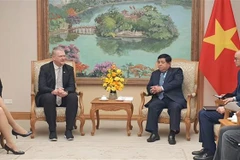
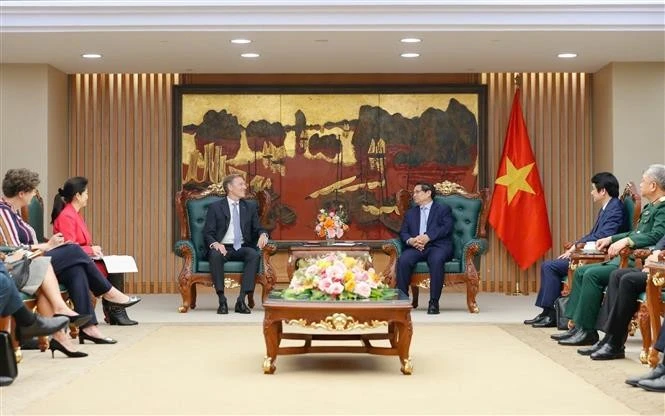
During a meeting on March 14 with Wouter Van Wersch, Executive Vice President of Airbus International, PM Chinh praised the aerospace giant’s cooperation with Vietnamese partners, emphasising its role in boosting domestic and international connectivity and driving Vietnam’s socio-economic growth.
The PM reaffirmed Vietnam’s commitment to strengthening ties with European nations, particularly the founding members of Airbus (the UK, Germany, France, and Spain). He expressed Vietnam’s desire to enhance its strategic partnerships with these countries, especially in economy, trade, and investment, paving the way for deeper collaboration between Vietnamese businesses and Airbus.
Vietnam is targeting a GDP growth rate of at least 8% in 2025 and aims to reach double-digit growth in subsequent years as part of its ambitious roadmap to become a high-income developed nation by 2045. To realise these goals, PM Chinh said the country is maximising its use of maritime, underground, and aerospace spaces, leading to surging demand for transportation, including aviation. Vietnam’s thriving aviation market, which handled 41.4 million international passengers and 1 million tonnes of cargo in 2024, he noted.
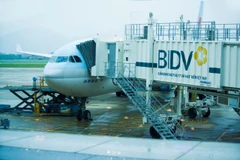
Currently, Vietnam has four airlines operating 98 international routes to 20 countries and territories. The country has a network of 22 airports and is investing in the development and upgrading of major airports such as Long Thanh International Airport, Gia Binh Airport, and Chu Lai Airport.
PM Chinh underscored Vietnam’s determination to improve its institutional framework, streamline administrative procedures, and reduce compliance costs for businesses. He noted that the government is prioritising large-scale infrastructure projects to lower logistics expenses, enhance the competitiveness of Vietnamese goods, and attract investment. Additionally, he emphasised the importance of high-quality human resource development, innovation, and technological advancements to improve labour productivity, critical factors for both domestic and foreign investors, including Airbus.

Reiterating Vietnam’s commitment to creating favourable conditions for foreign investors, the PM invited Airbus to expand its collaboration with Vietnamese airlines, not only in fleet expansion but also in aircraft component production and supply chain development. He encouraged Airbus to establish a maintenance, repair, and overhaul centre in Vietnam, as well as invest in component manufacturing facilities to strengthen the country’s aviation industry.
PM Chinh also called on Airbus to transfer technology to Vietnamese partners, develop a highly skilled workforce, and improve aviation service standards. He urged the company to expedite the delivery of aircraft under existing contracts to meet the growing demand of Vietnamese airlines. Furthermore, he encouraged Airbus to explore deeper cooperation in emerging fields such as air logistics, aerospace technology, satellite development, and e-commerce.
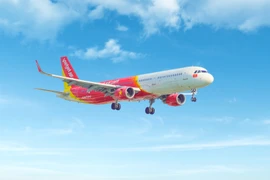
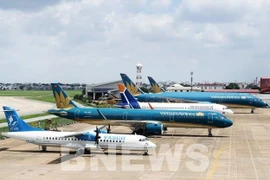
For his part, Van Wersch noted that Airbus has been a longstanding partner of Vietnamese government agencies and businesses, with approximately 200 Airbus aircraft currently in operation by airlines such as Vietjet and Vietnam Airlines, accounting for 65% of Vietnam’s commercial aircraft fleet. Airbus is also working with a Japanese partner to establish an over-wing door component manufacturing plant in Vietnam.
The Airbus executive praised Vietnam’s aviation market potential and its prospects for becoming a regional aviation hub. He stated that, beyond supplying aircraft, Airbus is ready to support Vietnam’s aviation sector through initiatives such as developing the aviation supply chain, promoting digital transformation, and training the aviation workforce.
Van Wersch said Airbus is not only focusing on its current aircraft models but is also actively researching and developing advanced aviation technologies to meet future demands. Accordingly, the company is interested in collaborating with Vietnam beyond civil aviation, including projects related to aerospace technology and aircraft component manufacturing. He expressed Airbus’ desire for continued favourable conditions to collaborate with Vietnamese partners in upgrading and developing sustainable aircraft./.