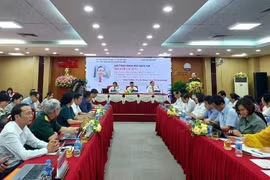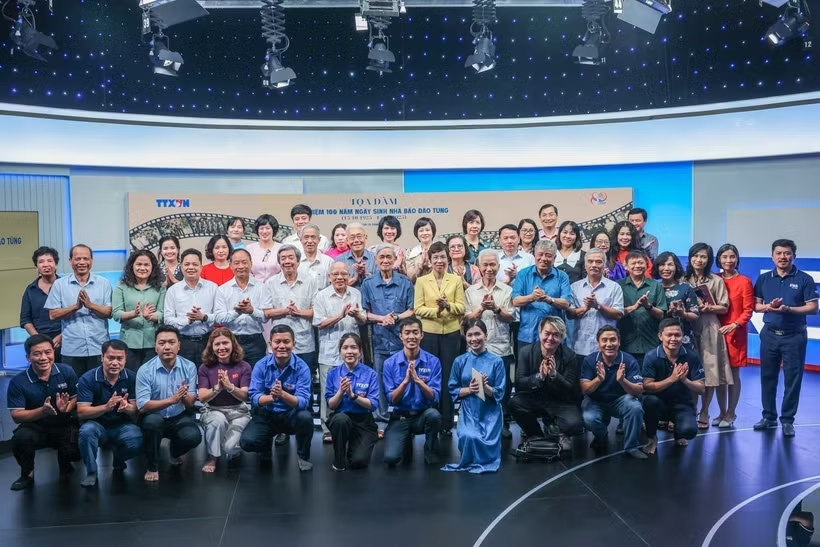
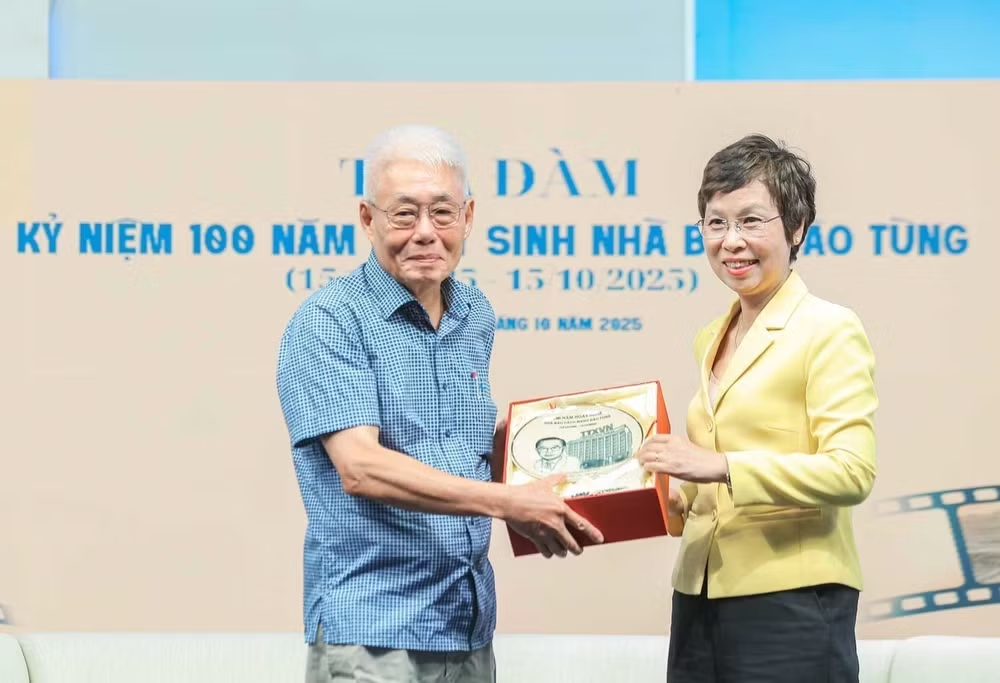
Hanoi (VNA) – The Vietnam News Agency (VNA) on October 15 held a gathering in Hanoi to commemorate the 100th birth anniversary of journalist Dao Tung (October 15, 1925 – 2025), reviewing his life and significant contributions to Vietnam’s revolutionary journalism.
The event was held both in person in Hanoi and online at VNA’s information centres in the central and southern regions.
Dao Tung (1925–1990), whose real name was Do Trung Thanh, was born in Bac Giang province (now Bac Ninh). He served in many key positions such as member of the Vietnam Fatherland Front Central Committee, Vice Chairman of the National Assembly’s Committee for External Relations (8th tenure), Vice President and General Secretary of the Vietnam Journalists’ Association (VJA), and Vice President of the International Organisation of Journalists (OIJ).
He spent nearly 11 years (1966–1977) as Editor-in-Chief of the Vietnam Thong tan xa (VNTTX, now the VNA) and over 13 years (1977–1990) as General Director cum Editor-in-Chief of VNA.
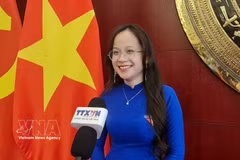
Speaking at the event, VNA General Director Vu Viet Trang highlighted Dao Tung’s dedication to training journalists, diversifying information formats, and modernising the agency’s technical infrastructure. She said his leadership laid a firm foundation for the agency’s future growth, helping VNA affirm its position as the national news agency with regional and international reputation.
She also noted that Dao Tung made major contributions to the development of the VJA and to promoting the image of Vietnamese journalism and the country itself to the international community.
Trang stressed that following the legacy of predecessors like Dao Tung, generations of VNA journalists have continued to strive, innovate, and uphold their mission, implementing the strategic resolutions of the Politburo, particularly Resolution No. 57-NQ/TW dated December 22, 2024, on breakthroughs in science, technology, innovation, and national digital transformation.
VNA units are working to develop diverse, timely, and multi-platform information products that meet the needs of domestic and international audiences, while effectively fulfilling their role in providing information for the Party, State, and policymaking agencies, contributing to Vietnam’s sustainable development and national defence, she noted.
Former VNA General Director Tran Mai Huong recalled that Dao Tung’s greatest legacy lies in his strategic vision and command of news operations during wartime. He always paid attention to building a strong and unified reporting network from the central level to the frontlines, ensuring the uninterrupted flow of information even under the most difficult circumstances.
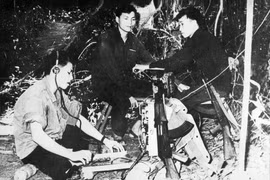
To meet the demands of news coverage for the southern battlefield, the agency organised nine training courses for around 500 – 700 journalists, editors, technicians, and telegraph operators, many of whom later sacrificed their lives in the line of duty.
Former VNA General Director Le Quoc Trung described Dao Tung as a leader with strategic foresight, who was also a pioneer in international cooperation. Despite post-war hardships and limited facilities, he promoted the modernisation of VNA’s technical infrastructure and expanded partnerships with numerous foreign news agencies and media organisations, thereby helping to enhance Vietnam’s image and gain international understanding and support./.