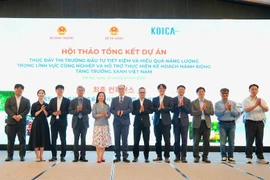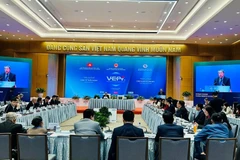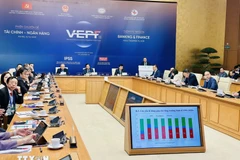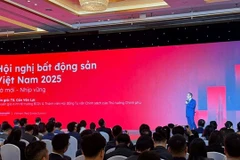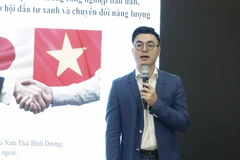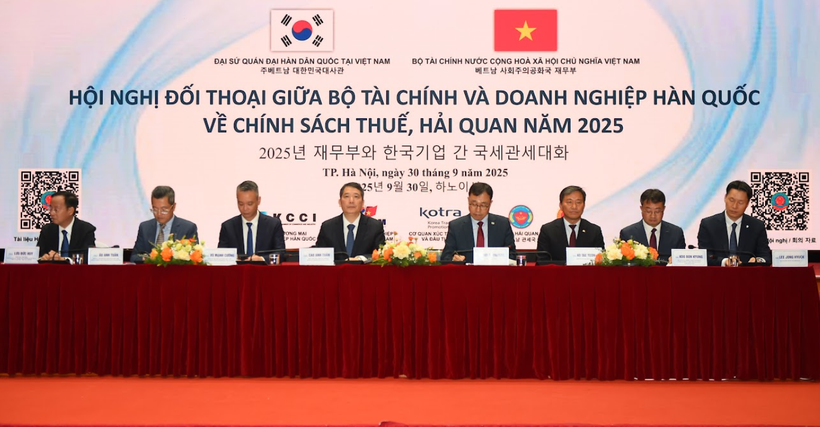
Hanoi (VNA) - The Vietnamese Ministry of Finance and the Embassy of the Republic of Korea in Vietnam co-hosted a dialogue with the Korean business community on 2025 tax and customs policies on September 30.
The event was designed to promote transparency, ease of doing business, and investor confidence at a time when the RoK remains one of Vietnam’s largest foreign investors.
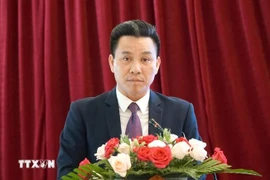
Deputy Minister of Finance Cao Anh Tuan opened the meeting by highlighting the long-standing contributions of Korean firms to Vietnam’s socio-economic development. He underlined the government’s commitment to supporting businesses, especially during a period of global uncertainty and domestic macroeconomic challenges.
According to Tuan, the ministry has advanced proposals worth an estimated 241.7 trillion VND (around 9.5 billion USD) in tax, fee, and land-lease relief measures. These are intended to ease financial pressure on enterprises while maintaining investment momentum.
The ministry is also accelerating administrative reforms. In taxation, procedures have largely shifted online through the national eTax platform and the eTax Mobile app, enabling individuals and companies to file, pay, and check obligations digitally.
Meanwhile, artificial intelligence and big data are being deployed to improve tax administration.
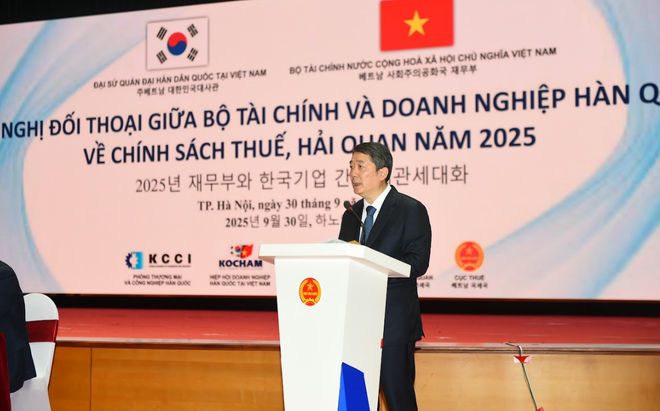
On the customs side, AI-based chatbots and expanded online services are being introduced to streamline import-export processes. The overall goal, officials stressed, is to ensure seamless and efficient services for businesses operating in Vietnam.
Vietnam and the RoK established diplomatic ties in 1992 and upgraded relations to a Comprehensive Strategic Partnership in 2022. The RoK is now among Vietnam’s largest foreign investors, with more than 92 billion USD in registered capital and over 10,000 projects in manufacturing, services, and trade. These ventures play a key role in Vietnam’s exports and broader economic development.
Despite global headwinds, Vietnam–RoK economic ties have remained stable and resilient. Regular dialogues, held annually since 2008 by the Ministry of Finance in cooperation with the Korean Embassy, the Korean Chamber of Commerce and Industry (KCCI), and the Korean Chamber of Commerce in Vietnam (KoCham), have been instrumental in building trust.
Officials note that these meetings provide an opportunity for businesses to raise concerns and for regulators to clarify new policies. Over time, the process has helped improve transparency and policy responsiveness.
The 2024 dialogue already showed tangible results, with many company-specific problems resolved promptly. New tax and customs regulations were also explained in detail, easing compliance and ensuring that businesses understood their rights and obligations.
This year’s dialogue focused on open exchanges to address fresh issues emerging in Korean firms’ production and business activities in Vietnam. The Ministry of Finance also provided updates on recently enacted legislation, including revised laws on value-added tax and special consumption tax, as well as new decrees and circulars issued since March 2024.
Ministry representatives answered questions directly from Korean businesses during the session, underscoring a willingness to listen and act on constructive feedback. Officials pledged to continue reviewing and improving tax and customs frameworks in line with practical needs, aiming to minimise administrative burdens and support sustainable business growth.
Vietnamese authorities viewed these dialogues not only as technical exchanges but also as a way of shaping a fairer and more transparent investment environment. A stronger system, they argued, encourages compliance, reduces disputes, and strengthens trust between foreign investors and government institutions.
The Ministry of Finance reiterated that foreign-invested enterprises (FDI) are central to Vietnam’s economic strategy, and Korean businesses occupy a particularly important position. By ensuring clarity and consistency in tax and customs policy, the government hopes to sustain existing investment and attract new projects.
Korean Ambassador to Vietnam Choi Young Sam expressed pride in the progress made since the establishment of diplomatic relations, especially in trade and investment. He pointed out that the tax and customs dialogue, held regularly since 2008, has proven to be an effective platform for discussing obstacles and improving policy.
The ambassador said he hoped the 2025 dialogue would further promote a transparent and predictable tax environment, encouraging both new and expanded Korean investment in Vietnam. Such an environment, he noted, would help Korean firms report profits honestly and operate smoothly.
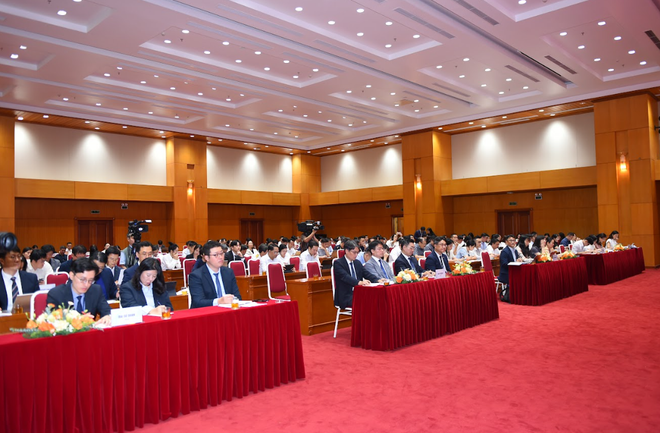
Officials at the meeting emphasised that reforms in taxation and customs are part of broader government efforts to stabilise the economy and strengthen competitiveness. The Ministry of Finance encouraged Korean enterprises to take advantage of the favourable environment by innovating, improving productivity, and complying fully with Vietnamese law.
In return, Vietnamese authorities pledged to refine regulations, remove unnecessary hurdles, and align policies with international best practices.
With both sides reaffirming their commitment to deeper economic ties, the dialogue underscored the enduring importance of the Vietnam–RoK Comprehensive Strategic Partnership. Beyond resolving immediate issues, it served as a reminder that cooperation, transparency, and mutual trust remain the cornerstones of sustained investment and long-term growth./.