Hanoi (VNA) – The traditional friendship between Vietnam and Azerbaijan, with foundation laid down by President Ho Chi Minh in the 1950s, is entering a new phase of development with strong momentum, particularly after the two countries officially elevated their ties to a Strategic Partnership.
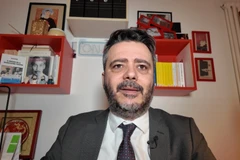
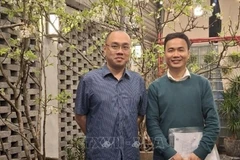
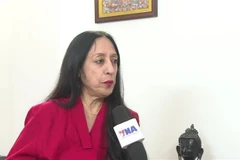
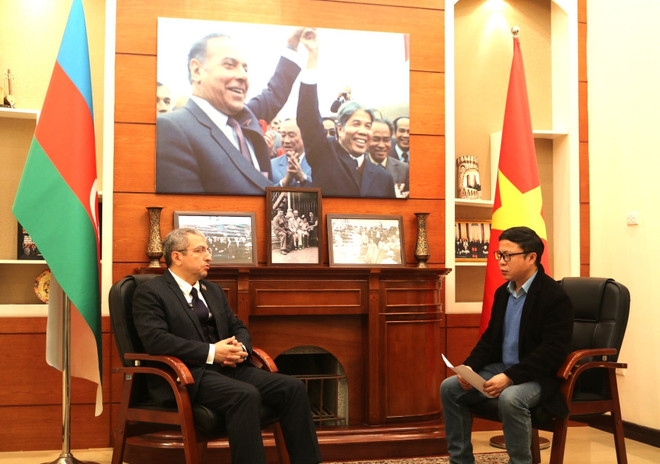
In a recent interview granted to the Vietnam News Agency (VNA), Azerbaijani Ambassador to Vietnam Shovgi Kamal Oglu Mehdizade shared a comprehensive assessment of the bilateral relationship, recent notable progress, and prospects for cooperation in the period ahead.
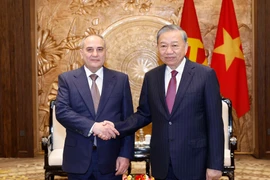
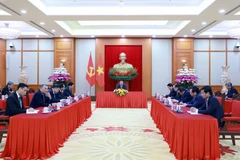
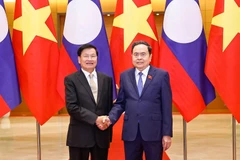
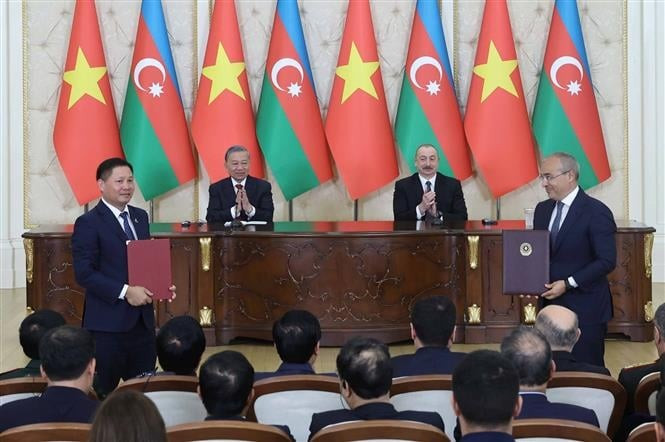
According to the diplomat, the visit to Azerbaijan by General Secretary of the Communist Party of Vietnam (CPV) Central Committee To Lam in 2025 carried exceptional historical significance. It marked the first time in modern history that Azerbaijan had hosted a Vietnamese Party General Secretary, thereby creating a strong political impetus for the development of bilateral relations in a more extensive and substantive manner. During the talks between General Secretary Lam and Azerbaijani President Ilham Aliyev, the two sides agreed to upgrade ties to a Strategic Partnership — a decision reflecting long-term vision and a high level of political trust between the two countries.
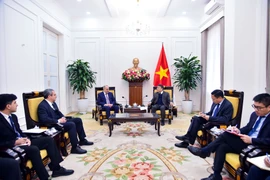
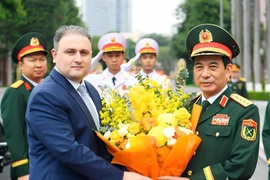
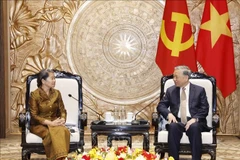
The ambassador noted that immediately following this landmark turning point, Vietnam – Azerbaijan relations witnessed a sharp increase in high-level exchanges. Within just a few months, Vietnam received nine important visits from Azerbaijan, including, for the first time, the visits by the Azerbaijani Minister of Defence, the Chief Justice of the Supreme Court, and the Prosecutor General. These were accompanied by an official visit by Leyla Aliyeva, Vice President of the Heydar Aliyev Foundation, along with trips by ministers and leaders of key agencies aimed at advancing bilateral cooperation and investment projects. At the same time, numerous delegations from state agencies and social organisations of Vietnam travelled to Azerbaijan, contributing to greater mutual understanding and the expansion of practical cooperation channels.
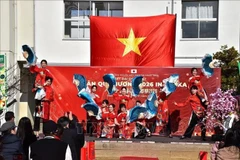
Alongside political and diplomatic cooperation, people-to-people and cultural exchanges have also been promoted. Mehdizade said that although Vietnam has yet to open an embassy in Baku, Azerbaijan has, for three consecutive years, organised the “Vietnam Days” programme every July to commemorate President Ho Chi Minh’s visit to Azerbaijan in 1959. Notably, amid the strong growth in bilateral relations, the 2025 series of events was held on a large scale and with high quality, attracting large numbers of Baku residents and international visitors. Activities included concerts, Vietnamese ao dai (traditional long dress) shows, and open-air performances by Vietnamese artists.
Looking ahead to 2026, the diplomat expressed confidence that bilateral relations will remain dynamic, with more high-level visits, joint activities and cooperative exhibitions.
He stressed that tourism has been identified as a key driver of bilateral economic cooperation in the coming period. Recalling a historical milestone, he noted that thanks to close cooperation between Azerbaijani and Vietnamese experts, Vietnam successfully extracted its first oil flow in 1986.
Reflecting on the deep-rooted ties between the two countries, the ambassador said upgrading relations to the Strategic Partnership was an inevitable step. The current task for both sides, he added, is to continue preserving and nurturing this relationship and to deepen cooperation sustainably and effectively over the long term.
On economic cooperation, he candidly acknowledged that bilateral trade and tourism remain below the potential of both countries. However, he believes that 2026 will be particularly significant as the strategic decisions approved by the two countries’ leaders are being implemented in a coordinated and consistent manner, sending positive signals for economic ties.
One major obstacle in the past was geographical distance and logistical challenges. To address this, Azerbaijan has been advancing concrete solutions, including the launch of direct cargo flights between Hanoi and Baku by Silk Way West Airlines this month. This route is expected to facilitate business connectivity and import – export activities.
In addition, the two sides are looking to strengthen collaboration within the Trans-Caspian International Transport Route, also known as the Middle Corridor, which connects China, Kazakhstan, Azerbaijan and Europe and is considered one of the most stable and efficient transport routes between Asia and Europe.
Another important step forward is the establishment of the Azerbaijan – Vietnam Business Council, involving the Small and Medium Business Development Agency (KOBIA) of Azerbaijan and the Vietnam's national entrepreneurs association. Following its first meeting in Hanoi, businesses from both countries have begun implementing practical cooperation, exporting several Vietnamese products to Azerbaijan and considering the import of Azerbaijani goods into Vietnam.
Regarding cooperation prospects under the Strategic Partnership framework, the ambassador said education and culture remain traditional areas of cooperation with historical significance. The two sides will step up educational, musical and artistic projects, while further deepening collaboration in the film industry.
Defence cooperation, he went on, also rests on a solid historical foundation and holds strong potential as both place importance on enhancing self-reliance and ensuring security. At the same time, economic sectors such as renewable energy, logistics and industrial manufacturing have been identified as new areas of cooperation aligned with the sustainable development trend.
Mehdizade also praised Vietnam’s outstanding socio-economic achievements in 2025, describing them as clear results of strong and effective reforms.
He expressed confidence that the Vietnam – Azerbaijan Strategic Partnership will continue to grow robustly, making tangible contributions to peace, stability, and prosperity in each country. He also extended his best wishes to the Vietnamese people on the occasion of the Lunar New Year./.