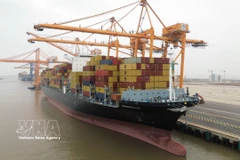
Hanoi (VNA) - With an extensive coastline and strategic geographical location, Vietnam is well-positioned to harness its potential and invigorate its shipbuilding sector.
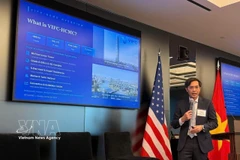
Vietnam held a seminar on green transition in maritime and offshore wind energy and development potential in Vietnam, part of the Vietship 2025 Exhibition on March 6.
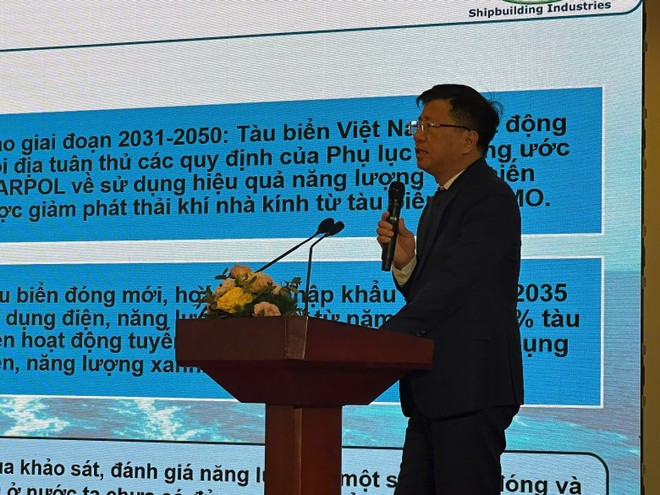
At the event, Pham Hoai Chung, Chairman of the Members' Council of the Shipbuilding Industry Corporation (SBIC), emphasised the significant role of maritime transport and shipbuilding in national marine economic strategies.
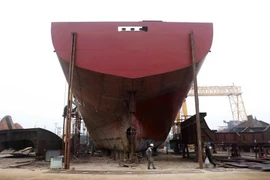
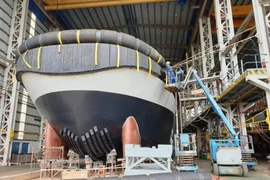
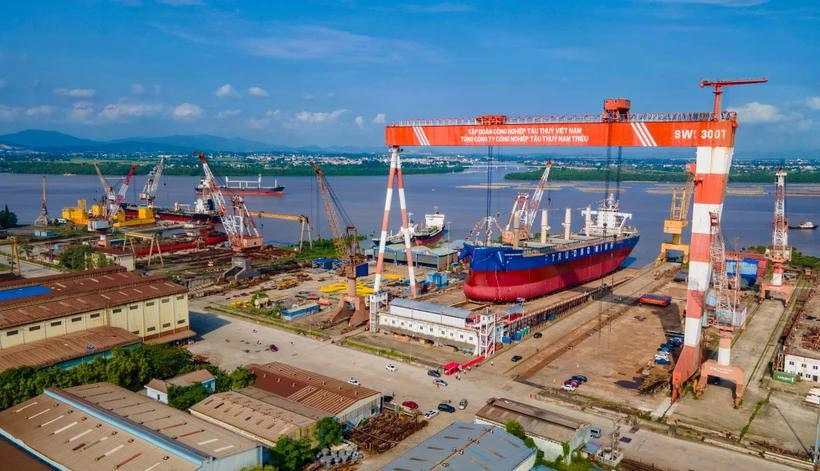
He noted that Vietnam's shipbuilding industry boasts a network of shipyards stretching across the country, offering diverse production capabilities to meet both domestic and international demands.
SBIC, in particular, has focused on producing cargo ships, oil tankers, and passenger vessels for partners from Europe and the Republic of Korea. He revealed that SBIC remains a capable entity in new shipbuilding and repair, accounting for over 50% of Vietnam's shipbuilding capacity.
In 2024, Vietnam ranked seventh globally, capturing 0.61% of the world's shipbuilding market share, surpassing established shipbuilders like Finland, which held 0.36%.
With the expansion of global trade, Vietnam's maritime transport demand is projected to grow by 10% annually from 2023 to 2030. The goal is to enhance the Vietnamese fleet's share in import-export transport and fully meet domestic transport needs.
By 2030, Vietnam aims to restructure and develop its maritime fleet to approximately 1,600-1,750 vessels, with a total tonnage of 17-18 million tonnes. Specifically, the sea transport fleet is expected to comprise about 1,200 vessels, totaling 13-14 million tonnes.
The anticipated demand for new shipbuilding and fleet replacement from now until 2030 is estimated at 4-5 million DWT, averaging 0.7-0.8 million DWT annually.
Globally, new shipbuilding orders have been on the rise, reaching 220.52 billion USD in 2024, a 6.5% increase from the previous year. The global shipbuilding market is projected to expand by approximately 22.1 billion USD from 2024 to 2028, with an average annual growth rate of 3.95%, potentially reaching around 195 billion USD by 2030.
Chung stated that the trend in new shipbuilding is toward more modern, larger vessels, with increasing demand for ships incorporating green technologies and utilising clean fuels.
Vietnam's shipbuilding industry is poised to benefit from favourable macroeconomic conditions and evolving market trends. However, the shipbuilding industry faces challenges due to the history of its development, which has focused on extensive growth with a significant emphasis on assembly, resulting in limited added value.
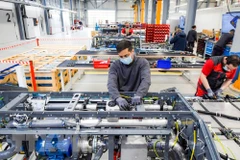
He said that much of the infrastructure and technology in Vietnamese shipyards was invested in long ago and lack synchronisation in capacity and technology. A shortage in capital for technological innovation hampers competitiveness in producing modern products for the international market.
Additionally, supporting industries such as metallurgy, steel, and machinery manufacturing are underdeveloped, leading to reliance on imported materials, which diminishes the autonomy and competitiveness of Vietnam's shipbuilding industry. Labour productivity and proficiency remain low, and limitations in design capabilities hinder the development of market-adaptive prototype products.
Highlighting challenges from countries with robust shipbuilding capabilities, Chung noted that emerging nations like the Philippines, India, Indonesia, and China’s Taiwan are receiving substantial governmental support under policies promoting shipbuilding prosperity.
They pose significant competition in the international shipbuilding market. To enhance the competitiveness of Vietnam's shipbuilding industry amid global economic integration, it is essential to capitalie on the global shift of shipbuilding from Europe and North America to Asia, leveraging the country's inherent advantages in geographical location and labor resources. Chung acknowledged that shipbuilding is a heavy industry requiring substantial infrastructure investment, necessitating governmental policy support.
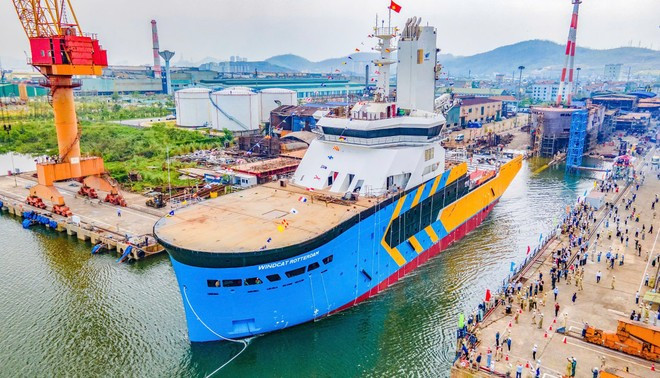
Enterprises should proactively seek partnerships with leading shipbuilding nations in Europe to access financial support and technology transfer. Developing supporting industries is also crucial to ensure rapid and sustainable growth in the shipbuilding sector. In alignment with the Strategy for Sustainable Development of Vietnam's Marine Economy, with a vision to 2045, The SBIC chairman affirmed that the corporation's enterprises will continue to stabilize and develop production. Collaborating with other shipbuilding entities, they aim to establish major centers for new shipbuilding and repair, adhering to international standards in quality and timelines./.