Hanoi (VNA) - Vietnam performs over 1,000 organ transplants annually, the highest rate in Southeast Asia, however, the country’s organ donation rate from brain-dead donors remains among the lowest in the world.
Thousands of patients are still waiting for transplants, with many unable to receive one due to a lack of donated organs.
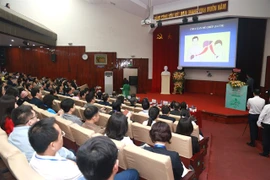
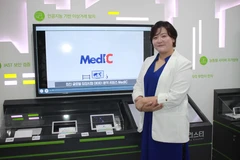
Deputy Minister of Health and Chairman of the National Medical Council, Prof., Dr. Tran Van Thuan unveiled this information at a seminar on strengthening the role of communication and advocacy for organ and tissue donation from deceased or brain-dead donors, held by the National Coordination Centre for Organ Transplantation and the Vietnam Organ and Tissue Donation Advocacy Association in Hanoi on March 5.
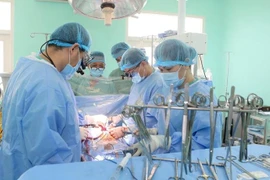
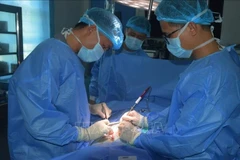
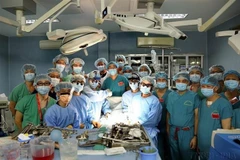
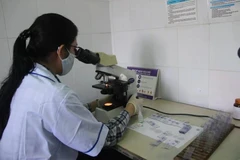
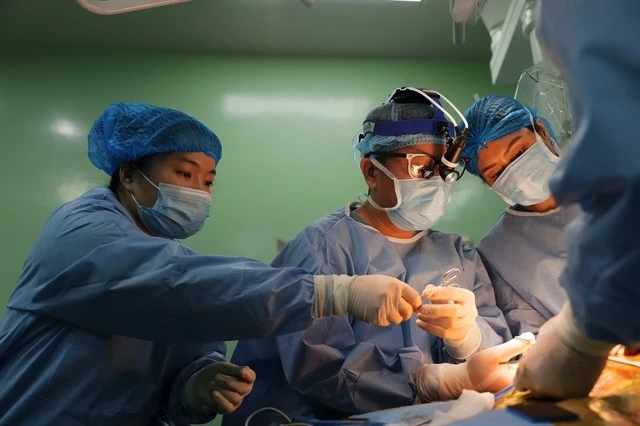
According to the health official, organ and tissue transplantation is a major medical achievement that has saved and improved the lives of thousands of patients with end-stage organ failure. Since Vietnam's first kidney transplant in 1992, the country has mastered the technology, performing more than 9,300 successful transplants in 28 hospitals nationwide.
Vietnamese doctors have also undertaken highly complex transplants, such as lung transplants at the National Lung Hospital and simultaneous heart-liver transplants at Vietnam Germany Friendship Hospital, demonstrating that the country’s medical expertise is approaching international standards.
Thuan noted that the Party, State and Ministry of Health have been implementing various policies and programmes to encourage and facilitate organ and tissue donation. Following the Prime Minister’s call on May 19 last year, dozens of hospitals launched campaigns to encourage organ donation after brain death, leading to the establishment of donation advocacy chapters in both public and private hospitals. By 2024, 16 such chapters had been created.
Assoc. Prof., Dr. Nguyen Thi Kim Tien, a representative of the Vietnam Organ and Tissue Donation Advocacy Association who is also a former health minister, said that a national network of donation and transplant hospitals has been established and is starting to play an active role. Several hospitals have begun advocating for organ donation from brain-dead patients for the first time.
“The number of people registering for organ and tissue donation after death has increased significantly, surpassing the total number of registrations from previous years. In 2024 alone, Vietnam recorded 41 actual deceased organ donors—a record high. This figure exceeds the total number of deceased organ donors from the previous three years (2021, 2022, and 2023 combined), which was 36 cases,” said Tien.
As of October 14 last year a total of 102,759 people had registered for organ donation nationwide. Registrations can be completed online at vnhot.vn or via the hotline 0915060550.
In 2024, the health ministry issued technical guidelines for organ donation, retrieval, transplantation, transportation, preservation and post-transplant care for liver transplants from living and brain-dead donors. Additionally, at the end of 2024, Circular No 48 was issued to regulate the registration, coordination, retrieval and transplantation of organs from deceased donors, providing clearer guidance and encouraging more organ donations.
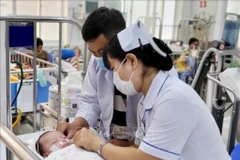
Despite these efforts, Thuan acknowledged that organ donations from deceased and brain-dead donors remain scarce while the demand for transplants continues to rise. The primary reason is limited public awareness and ineffective communication and advocacy efforts.
Several gaps still need to be addressed.
Currently, Vietnam lacks clear policies and mechanisms for counseling families about organ donation from brain-dead or cardiac-dead donors. Only a few hospitals have established organ donation counseling teams, due to the absence of appropriate incentives. While awareness campaigns have intensified, they remain insufficient. Many people are still hesitant or have limited knowledge, with some expressing concerns related to spiritual or ethical beliefs.
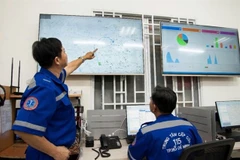
To enhance transparency and efficiency, Deputy Minister Thuấn underscored the need to leverage technology in coordinating organ transplants. In many developed countries, hospital-based organ donation counseling is an essential part of the healthcare system, with well-trained professionals who receive adequate compensation. These specialists help families understand the humanitarian significance of organ donation and make informed decisions. Vietnam should study and adopt suitable aspects of these models, he noted.
Some other solutions he noted include specific policies to support and facilitate the establishment of hospital-based organ donation counselling teams, ensuring they receive appropriate incentives. strengthening international cooperation to learn from countries with advanced organ donation systems and developing specialised training programmes for counselling.
On the outreach side, there is a need to expand public awareness campaigns using diverse media, including digital platforms, social media, television and newspapers, to change public perceptions about organ donation, as well as establishing a network of transplant hospitals to share information and experiences while collaborating with religious and community organisations to broaden outreach efforts./
Vietnam leads Southeast Asia in organ transplants
Vietnam has emerged as Southeast Asia's leader in organ transplantation, performing over 1,000 procedures annually, but it faces significant challenges in brain-dead donor donations, according to a health official.