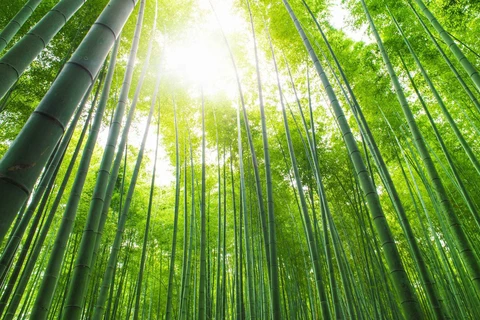
Green bamboo, evergreen
Bamboo hedges have been in legend
Gaunt stem, fragile leaves
But bamboo forms ramparts
Hanoi (VNA) - There goes a popular Vietnamese poem that depicts the aesthetic look of bamboo, using it as a metaphor to extol the Vietnamese people’s ingrained virtues of resilience, indomitability, and solidarity.
Bamboo holds great significance in the daily lives of Vietnamese people, as it is largely used in their daily life, from food to tools and homes. During the war, bamboo was also made into various kinds of rudimentary weapons. Strong roots, sturdy stems, and flexible branches are all noteworthy traits of bamboo.
In recent years, bamboo has been held in high regard within the concept of the country’s modern diplomacy, to promote a unique and special foreign policy of independence, self-reliance, flexibility, and diversification of relations.
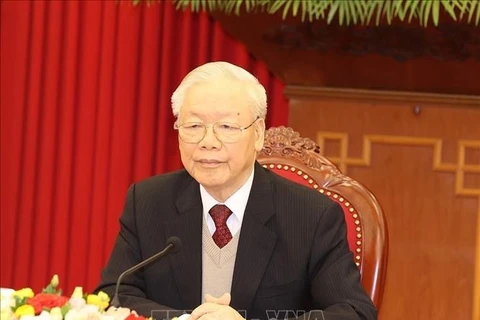
The idea of bamboo diplomacy was first coined by the leader of the Communist Party of Vietnam, Nguyen Phu Trong, at the 29th diplomatic conference in 2016. He highlighted the importance of diplomacy in maintaining peace, preventing conflict, and fostering international cooperation in the context of the rapidly changing world.
He also emphasised Vietnam’s distinctive approach to diplomacy, reflecting the teachings of late President Ho Chi Minh, who often used the image of bamboo as a metaphor to describe the resilience, flexibility, and strength of the Vietnamese nation.
Since then, bamboo diplomacy has been reaffirmed as the guiding principle for Vietnam’s foreign policy, and the Party chief explicitly reiterated this concept at the first-ever National Conference on Foreign Affairs, held in Hanoi on December 14, 2021.
“Vietnamese diplomacy is soft and wise but still persistent and resolute; flexible and creative but consistent, valiant and resilient against all challenges and difficulties facing national independence and people’s happiness; and united and humanitarian but resolute, persistent and patient in safeguarding the national interest,” he highlighted.
Making invariables respond to numerous variables
Generations of Vietnamese leaders have built and nurtured a unique and special foreign relations strategy that holds independence, resilience, and national interest in the greatest esteem. These are the unwavering principles amid numerous variables, especially the heightened strategic competition among the major powers.
According to the Party leader, the roots of Vietnamese diplomacy are honourable conduct, humanitarianism, peace, justice, and righteousness, all of which contribute to the country’s prosperity and its people’s wellbeing. He reiterated that President Ho Chi Minh laid a firm foundation for revolutionary diplomacy which fought for national independence and territorial integrity.
Inheriting from his forefathers’ diplomatic philosophy, President Ho Chi Minh, the founder of modern Vietnam and its first foreign minister, developed his own thoughts on diplomacy that combined patriotism, national culture, diplomatic tradition, and human culture.
The late President advocated that national independence and socialism must be pursued together, along with self-reliance and self-dependence accompanied by international solidarity. He also stressed the significance of developing national strengths that are aligned with those of the era to ensure that the country is able to adapt itself to and thrive in any circumstances.
“Taking a broad view and thinking carefully” are the guidelines the late President formed for revolutionary diplomacy. This suggests that diplomacy should be approached in a comprehensive and thoughtful manner, taking into account various factors and potential outcomes to ensure national interests. In that sense, independence and self-reliance must be closely associated with international solidarity and cooperation.
President Ho Chi Minh also placed great importance on building friendship and cooperation with neighbouring countries, expanding relations with countries on all five continents, and establishing ties with major powers in the interest of the revolution.
In particular, he always placed Vietnam in the context of the world’s development and paid close attention to major global trends. His diplomatic philosophy reflects the peace-loving tradition of the Vietnamese nation and harmoniously combines national and international values.

In line with President Ho Chi Minh's views, Party leader Trong emphasized the important role of diplomacy in the national revolutionary movement, which contributed to Vietnam's significant victories, including the negotiations on and the subsequent signing of the Geneva Agreement in 1954 and the Paris Peace Accords in 1973. These agreements ushered in an era of peace, independence, unification, and development in Vietnam.
Foreign policies have since become a crucial front that paves the way for the country’s renewal process and global integration, Trong stressed.
From bamboo to diplomacy: A legacy of Vietnam
According to Minister of Foreign Affairs Bui Thanh Son, Vietnam’s bamboo diplomacy is reflected in all of its foreign activities. The policy also affirms Vietnam as a brave, sincere, loyal, reliable, and responsible nation.
Amid strong global headwinds, bamboo diplomacy allows Vietnam to forge a diverse network of partnerships, especially with major powers. These relations have aided the country in expanding trade and investment connections, enhancing national defence capacity, increasing international prestige, and ensuring a peaceful and stable external environment for national development.
According to the foreign minister, 2022 marked a revival in Vietnam’s foreign activities, with comprehensive implementation across all channels of the Party, State, Government, National Assembly, and people-to-people exchange.
In terms of bilateral diplomacy, Vietnam continued to strengthen and consolidate its relationships with major countries, neighbours, important partners, and traditional friends, evidenced by Party General Secretary Nguyen Phu Trong’s official visit to China from October 30 to November 1, 2022, at the invitation of Party General Secretary and President of China Xi Jinping.
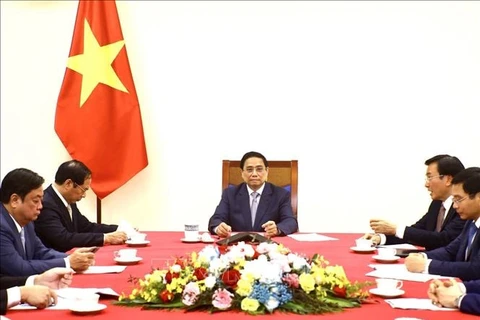
Most recently, Party leader Trong held phone talks with US President Joe Biden on March 29 night, during which the two sides reiterated their invitations for mutual high-level visits. The two leaders also accepted the invitations with pleasure and assigned the relevant agencies to arrange them at suitable times.
The bamboo philosophy has helped Vietnam expand its strategic or comprehensive partnerships with foreign countries, including partners in all the five UN permanent members - China, France, Russia, the UK, and the US.
Vietnam has established diplomatic ties with 190 out of a total of 193 UN members. The Party has established relations with 247 political parties in 111 countries, while the National Assembly has relationships with the parliaments of 140 countries.
Thirty years ago, Vietnam had trade relations with only 30 countries and territories, but now the figure has amounted to 230. Particularly, Vietnam has signed a number of free trade agreements, including new-generation ones such as the Comprehensive and Progressive Agreement for Trans-Pacific Partnership (CPTPP), the EU-Vietnam Free Trade Agreement (EVFTA), and the Regional Comprehensive Economic Partnership (RCEP).
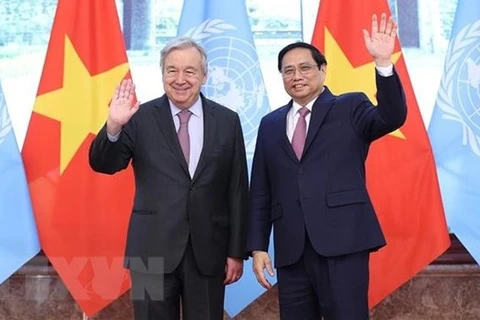
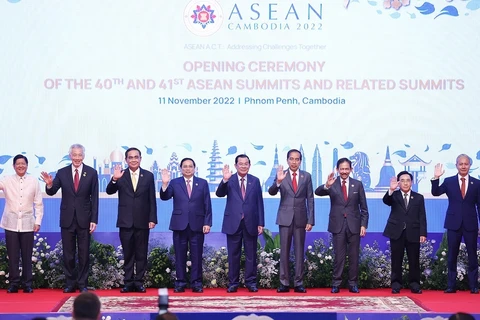
As for multilateral diplomacy, Vietnam has proven to be a responsible member of more than 70 international organisations and forums, including the UN, ASEAN, APEC, ASEM, and the WTO. The country has fulfilled its international responsibilities as a non-permanent member of the UN Security Council, rotating chair of ASEAN, and host of the ASEAN Summit, ASEM summit, APEC Summit, and World Economic Forum on ASEAN. It has sent hundreds of officers and soldiers to UN peacekeeping forces in Africa.

Cultural diplomacy has also contributed to promoting Vietnam’s image, people, culture, and development achievements around the world. Vietnam was elected to the Intergovernmental Committee of the UNESCO Convention for the Safeguarding of Intangible Cultural Heritage for the 2022-2026 term with the highest number of votes.
As for the people-to-people exchanges, the Vietnam Union of Friendship Organisations (VUFO) joined and chaired many activities in 2022, both bilaterally and multilaterally, notably those within the framework of the Vietnam-Laos, Laos-Vietnam Solidarity and Friendship Year and the Vietnam-Cambodia Friendship Year, helping consolidate and enhance relations with the two neighbours, according to President of the VUFO Ambassador Nguyen Phuong Nga.
Also in 2022, Vietnam protected more than 21,000 of its citizens abroad. Amid the Russia - Ukraine conflict, authorities completed the safe evacuation of approximately 6,000 citizens from the conflict zone. They also brought back 1,400 Vietnamese people scammed into working illegally in Cambodia. Vietnam also took measures to protect citizens and brought 700 of its fishermen back home, according to the Ministry of Foreign Affairs.
These achievements have demonstrated Vietnam's reputation as a trustworthy, responsible, and culturally rich nation. Thanks to the persistent application and maximisation of bamboo diplomacy, Vietnam's prosperity and stature have never been as promising as they are now. As Party leader Trong stated: “Never before has Vietnam enjoyed such fortune, strength, international standing and prestige, as today./.”