Hanoi (VNA) – The Financial Times, an international daily newspaper focusing on financial and business affairs, on March 24 posted an article on its website highlighting Vietnam’s efforts to curb the spread of the coronavirus disease.
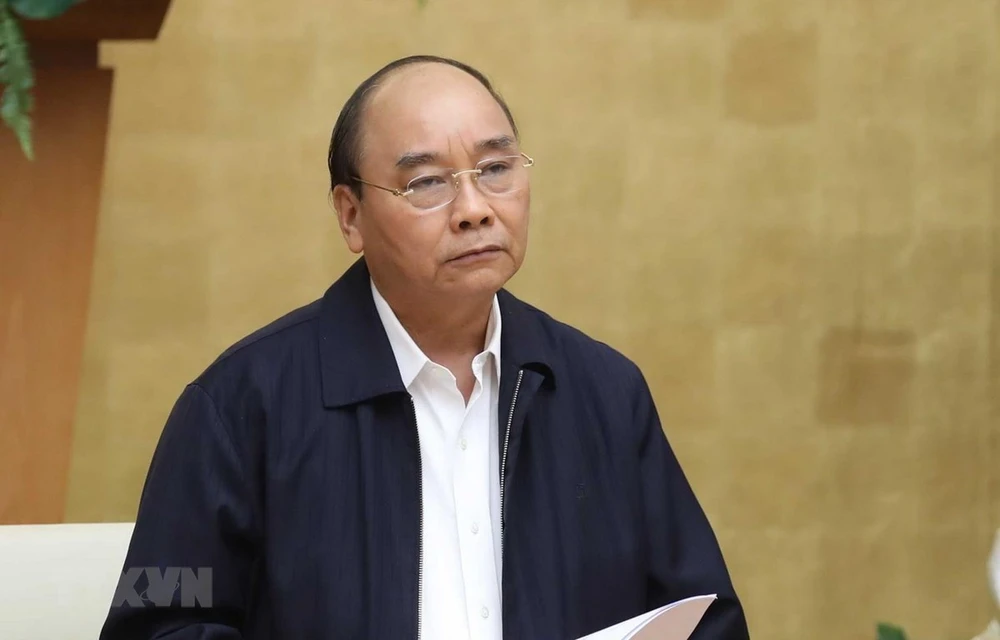
Entitled “Vietnam’s coronavirus offensive wins praise for low-cost model”, the article noted that when most of Vietnam’s 96 million citizens were celebrating the Tet Lunar New Year holiday, Prime Minister Nguyen Xuan Phuc was at a government meeting declaring war on coronavirus, which was raging over the border in China.
He warned that it would soon reach Vietnam and stated: “Fighting the epidemic is fighting the enemy.”
The Financial Times held that the country’s success in containing COVID-19 depends in part on the mobilisation of medical and military personnel, surveillance and intrusion, and on the state’s network of informants.
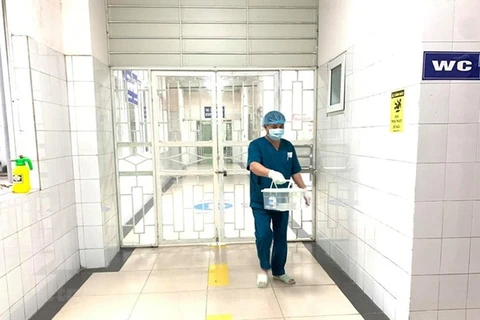
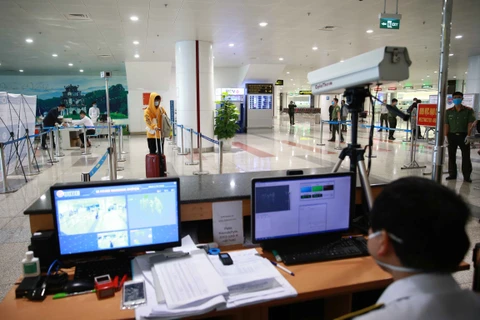
Rather than embarking on mass testing, which has been the crux of the wealthier Republic of Korea’s response to the outbreak, Vietnam has focused on isolating infected people and tracking down their second- and third-hand contacts.
The article cited Tran Dac Phu, a senior health official advising Vietnam’s Emergency Operation Centre, as saying that: “The important thing is, you need to know the number of people who might have come in contact with the disease, or returned from pandemic areas, then perform tests on these people.”
“We have to mobilise all society to the best of our capability to fight the outbreak together, and it’s important to find the cases early and isolate them,” Phu said.
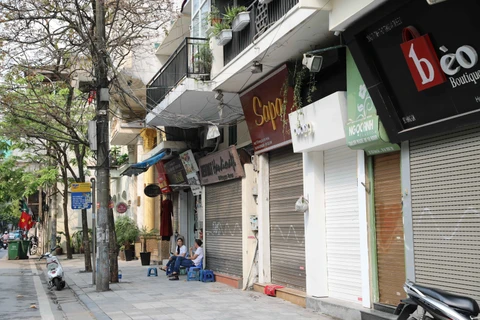
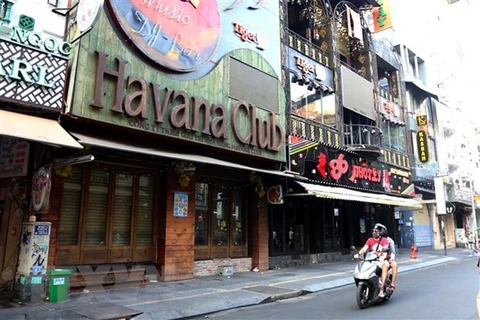
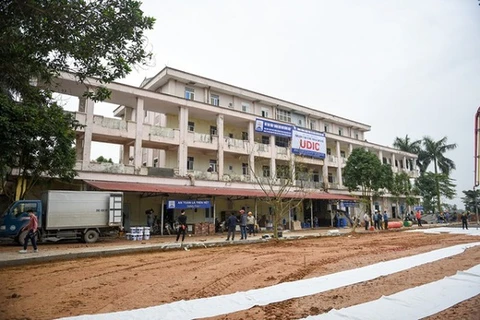
The newspaper also noted such measures as closing schools and sealing off a large residential area which is Son Loi commune of Vinh Phuc province, where more than 10,000 people live, for 21 days.
Most recent cases were part of a “second wave” of infections traced back to people arriving from abroad.
Vietnamese state-controlled media has been relentlessly on message, the article said, adding that the country’s Ministry of Health sends regular text messages about coronavirus-related news and health tips.
[Int'l media applauds Vietnam’s quick, transparent steps against COVID-19]
A recent survey by Nielsen Vietnam, the market research firm, found the majority of respondents were “highly aware” of COVID-19’s symptoms.
The government’s efforts to fight COVID-19 have garnered popular support, judging by social media posts cheering health workers and a viral propaganda poster-style meme reading: “To stay at home is to love your country!”
Besides, the Government has also been heavy-handed in dealing with people found sharing “fake news” about the virus, and about 800 have been fined, according to the Financial Times.
It noted Vietnam’s response has been praised by health officials, including Kidong Park, the World Health Organisation’s representative in Hanoi, who lauded the country for its “proactiveness and consistency throughout the response”.
The article also quoted Carl Thayer, professor emeritus at the University of New South Wales Canberra, as saying that Vietnam is a mobilisation society, and it has large public security forces, the military and the party itself, and it’s a top-down government that’s good at responding to natural disasters.
Meanwhile, Vietnam’s national network of informants has helped keep tabs on infected people. “Neighbours know if you come from a foreign country,” said Truong Huu Khanh, head of the department of infectious diseases at Ho Chi Minh City Children’s hospital. “If an infected person is in the area, they will report this.”
In response to a question from the Financial Times, Vietnam’s government spokeswoman Le Thi Thu Hang said the country had implemented many drastic and applicable measures to contain the disease, and that until now, the coronavirus cases in Vietnam remain at a low rate with no deaths./.