Illustrative photo (Photo: VNA)
 Hanoi (VNA) – The World Bank Board of Directors on July 31 approved a project worth 129.6 million USD to strengthen flood resilience and improve sanitation, transport, and public space infrastructure in Nghe An province's Vinh city - a political, economic, and cultural centre of the north-central coastal region.
The project is expected to directly benefit 250,000 residents in Vinh city’s urban core by reducing flood risk and improving public health.
Once completed, the project will connect 30,000 households to new or rehabilitated secondary and tertiary sewers, and halve the time women spend on unpaid housework after flooding, including cleaning.
The project will contribute to climate adaptation by reducing damage from heavy rains, and to climate mitigation by improving living conditions in the city’s centre and the construction of pedestrian and bike lanes.
World Bank Country Director for Vietnam Carolyn Turk said that the project is more than just infrastructure; it's a transformative endeavor enhancing the socioeconomic conditions of Vinh City's inhabitants.
“The project embodies the World Bank’s commitment to assisting Vietnam in achieving sustainable urbanisation and resilient growth,” she said.
The project design reflects lessons learned about urban resilience and disaster risk management in Vietnam and builds on the World Bank’s Vietnam Country Climate and Development Report by supporting the city’s ability to predict and respond to floods and engage in more climate-sensitive urban planning.
Investments include flood control systems, wastewater collection and treatment infrastructure, and transport links to promote sustainable urban growth and climate resilience.
According to the World Bank, Vinh city lacks the capacity to cope with severe rainfall events, resulting in stormwater pooling at various locations throughout the city. To improve the drainage system, a new lake will be built to store excess stormwater runoff in an expanded flood basin within the city.
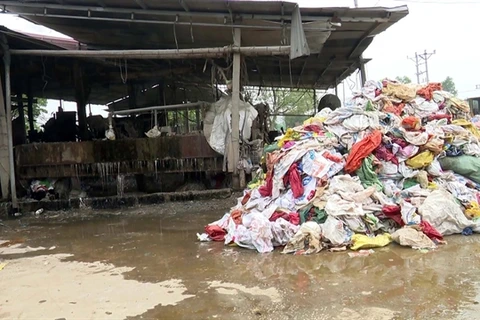
The project will also support the conversion of vacant land on both sides of the Vinh River into green public spaces while improving waste collection and separation to reduce the quantity of plastic waste disposed into the rivers.
Previously, the World Bank approved 194.36 million USD for four medium-sized cities in Vietnam to build some essential infrastructure and strengthen urban planning capacity. According to the World Bank, the Dynamic Urban Integrated Development Project aims to increase accessibility and improve urban services in four urban areas - Ky Anh (Ha Tinh), Tinh Gia (Thanh Hoa), Hai Duong, and Yen Bai. The project activities are expected to directly benefit about 200,000 residents, more than half of them women./.