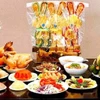
“Xong Dat” remains cherished Lunar New Year tradition

According to traditional belief, what starts well will end well, so the first guest to enter the house after midnight on the Lunar New Year’s Eve is believed to have a bearing on the family’s fortune throughout the year.

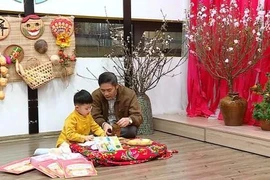
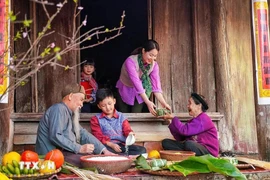
Paying Tet visit to parents, grandparents (Photo: VNA)

Hanoi (VNA) – According to traditional belief, what starts well will end well, so the first guest to enter the house after midnight on the Lunar New Year’s Eve is believed to have a bearing on the family’s fortune throughout the year.

That is the meaning of the “Xong dat” (first footing), a Tet tradition in Vietnam, which has been passed down through generations and continued with equal enthusiasm today,

To ensure good luck for the house, the selected “first foot” is normally required to have zodiac signs compatible with the host. He or she should also be successful and content with life.

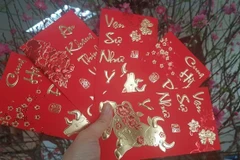
The invited guest usually visits the house in the morning of the first day of the Lunar New Year, bringing with him small gifts for the family, including lucky money in red envelops for children. He greets each member, wishing the old with longevity, businessmen with thriving prosperity, and kids with good academic achievements.

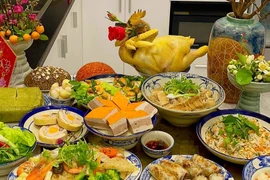
The host generously welcomes the special guest, offering the family’s best New Year treats, wine or tea.

Some families choose a member to become the first to enter the house. In this case, the “first foot” normally goes out and comes home after midnight with a spring branch, which represents year-round blessings.

Many families ask a close friend or relative to carry out this New Year mission.

Due to the belief, Vietnamese people used to avoid visiting each other in the first morning after New Year’s Eve.

The most noticeable change to the age-old tradition is that more and more people have begun to think of it as a New Year delight, rather than a sight of future fortune./.
VNA

See more

The statue of Vietnam's King Ly Thai To ( (974 - 1028) in Bonghwa county (Photo: VNA)

RoK to develop K-Vietnam Valley project linked to Ly Dynasty heritage

With the designation in place, Bonghwa will carry out eight specialised projects worth a combined 347.6 billion KRW (245.1 million USD) from 2026 to 2030 – among them the K-Vietnam Valley itself, tourism development around Changpyeong Reservoir, rental smart farms, and a Baekdudaegan healing ‘pet village.’

The organising committee presents awards to outstanding martial artists at the festival. (Photo: VNA)

9th Int’l Festival of Vietnamese Traditional Martial Arts wraps up

The ninth International Festival of Vietnamese Traditional Martial Arts has fostered the martial spirit, strengthened national pride, promoted cultural exchanges and reinforced the aspiration to bring Vietnamese traditional martial arts to a wider international audience.

An appetising bowl of My Quang features a rich combination of ingredients. (Photo: VNA)

Da Nang to host festival honouring Quang Nam-style noodle soup

My Quang is not only a signature dish of the Quang region but also reflects the history, culture and daily life of communities in central Vietnam. With its diverse ingredients, preparation methods and distinctive flavours, the noodle soup has become one of Vietnam's best-known culinary specialities, helping strengthen Da Nang's position on the culinary tourism map.

Hanoi’s traditional silk weaving craft continues to be preserved and developed today. (Photo: VNA)

Van Phuc silk weaving village officially recognised as Hanoi tourist destination

With its millennia-old heritage and growing integration of preservation and innovation, Van Phuc silk weaving village is poised to become a distinctive cultural destination, helping promote Hanoi’s sustainable cultural tourism and bring the quintessence of Vietnamese silk weaving closer to domestic and international visitors.

Minister of Construction Tran Hong Minh speaks at the session (Photo: VNA)

Lawmakers mull over changes to architecture law

On architectural management, the draft Law amending and supplementing several articles of the Law on Architecture clarifies the concept of “national cultural identity in architecture”, tying design to the preservation and promotion of regional heritage. It pushes architecture that mirrors local identity and fits each locality’s natural, historical and social conditions, while setting criteria to identify, assess and protect architecturally valuable buildings as a distinct form of cultural heritage.

The top 14 contestants of Top Chef Vietnam 2026. (Photo: vtv.vn)

Top Chef Vietnam returns with mission to elevate Vietnamese cuisine globally

Vietnam currently ranks 16th among the world's top 100 cuisines in the latest TasteAtlas rankings, up three places from 2024 and six from 2023. Meanwhile, Travel + Leisure has described Vietnamese cuisine as "exceptional" and listed Vietnam among the leading destinations for travellers seeking cultural experiences through food.

Organisers, sponsors and officials pose for a commemorative photo at the launch ceremony. (Photo: VNA)

Halong Bay Heritage Marathon 2026 expected to attract 18,000 runners

Competitors will race in the 42.195 km marathon, 21.0975 km half marathon, 10 km and 5 km events. Starting and finishing at the Quang Ninh Planning, Fair and Exhibition Palace, the course will once again feature fully closed roads along Ha Long Bay, a route named by Runner's World UK among the world's 50 most scenic running courses.