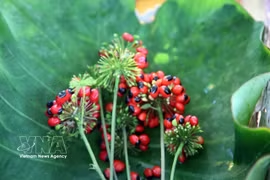
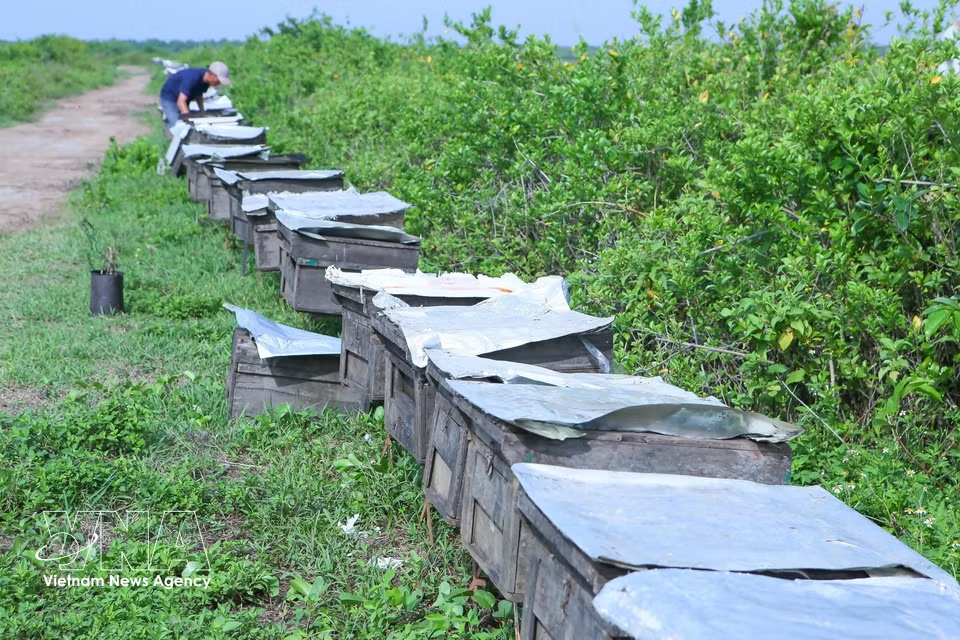
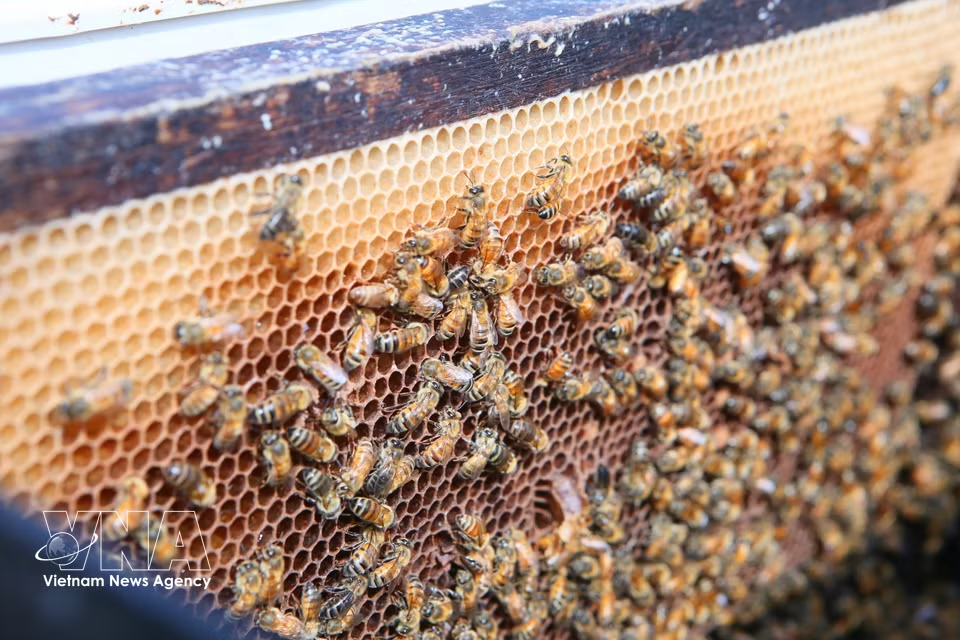

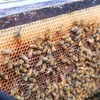

Around 5,000–6,000 bee colonies are brought to Xuan Thuy National Park each year to collect nectar from river and orange mangrove blossoms. (Photo: VNA)
Since 2025, many beekeepers have introduced high-yield foreign bee breeds suited to areas with stable floral resources. (Photo: VNA)
Xuan Thuy National Park boosts mangrove honey brand
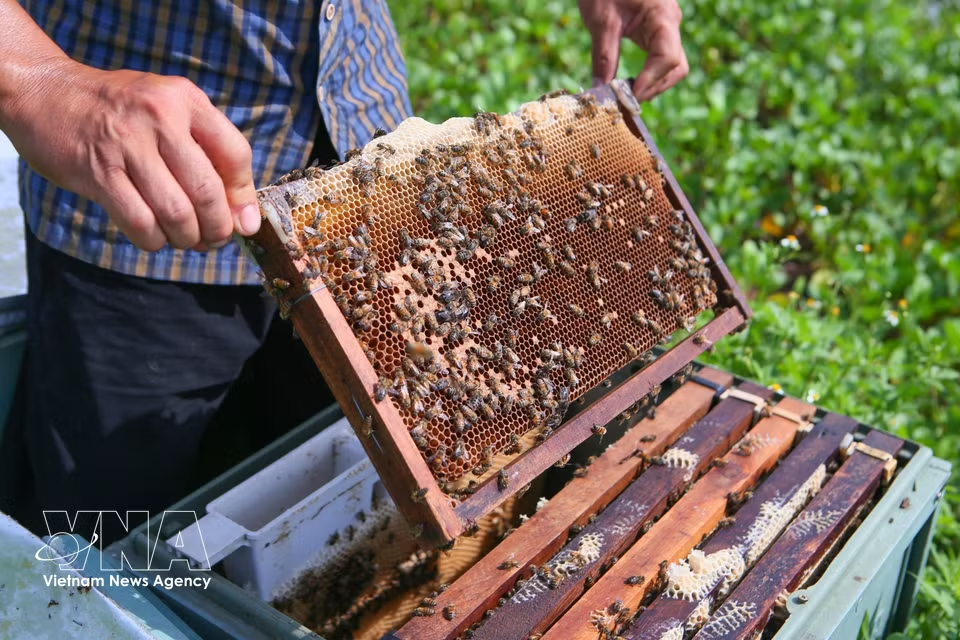
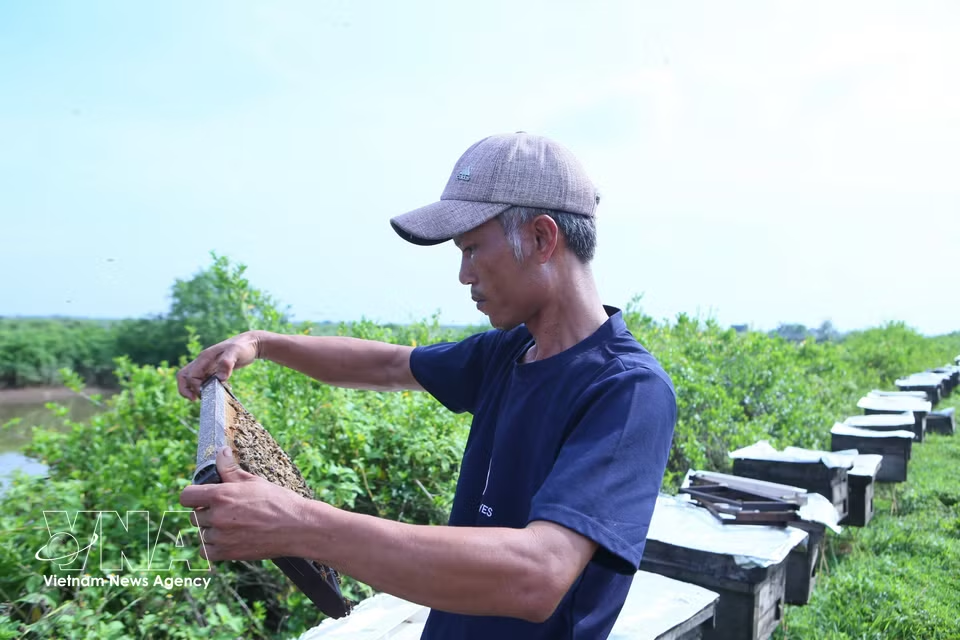
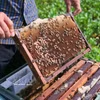
A beekeeper examines a colony to assess the quality of its honey. (Photo: VNA)
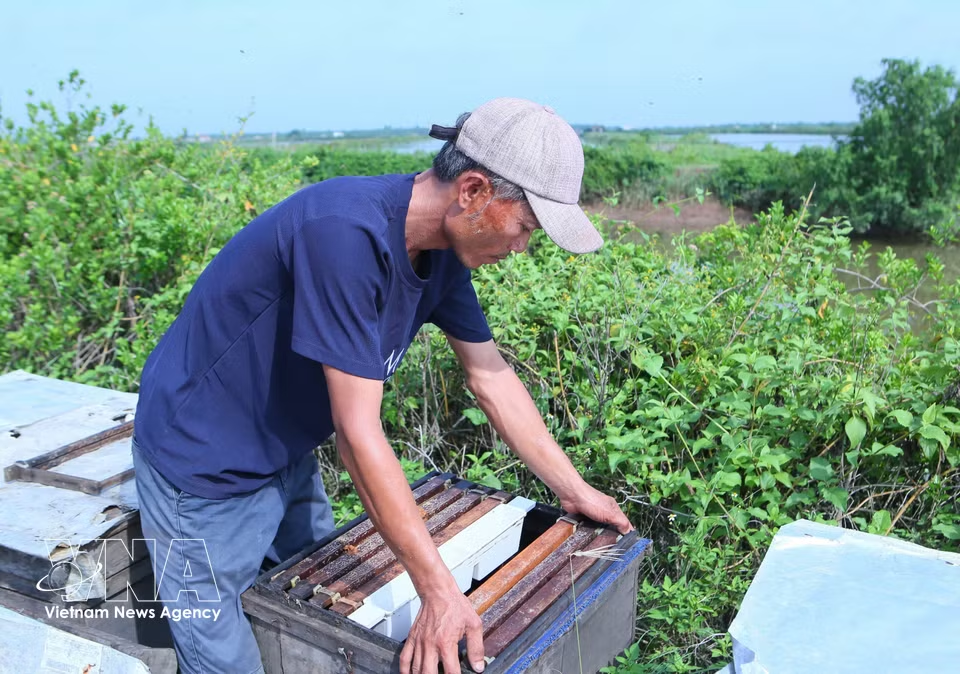
A beekeeper rearranges the honeycomb frames to help the colony gather nectar as efficiently as possible. (Photo: VNA)
0
1
2
3
4

Xuan Thuy National Park boosts mangrove honey brand

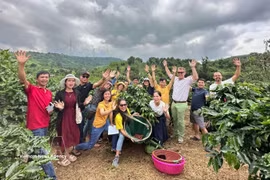
When mangroves bloom across the coastal wetlands, tens of thousands of bee colonies are brought to Xuan Thuy National Park in the northern province of Ninh Binh, to gather nectar. Produced from the natural blossoms of the mangrove ecosystem, the honey is prized for its distinctive flavour and purity, while providing livelihoods and higher incomes for beekeepers and communities in the park’s buffer zone.