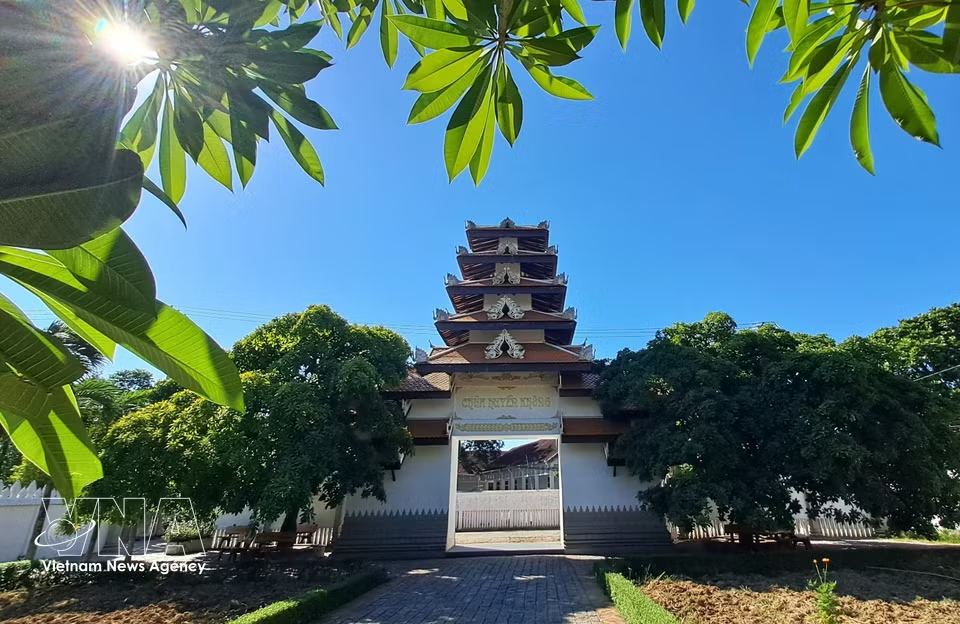
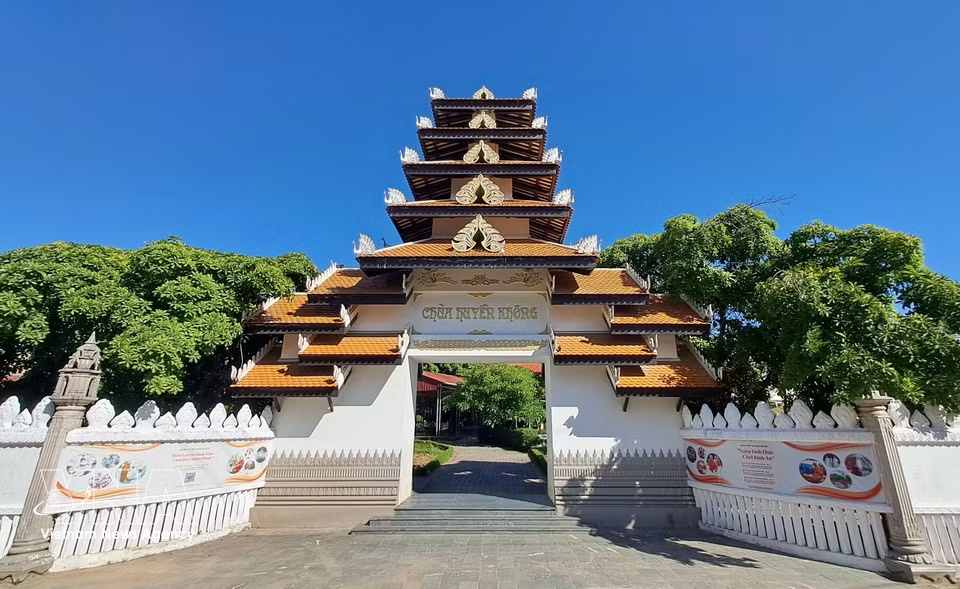
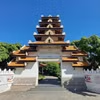

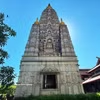
The entrance gate of Huyen Khong Pagoda in Hue. (Photo: VNA)
The distinctive entrance gate of Huyen Khong Pagoda. (Photo: VNA)
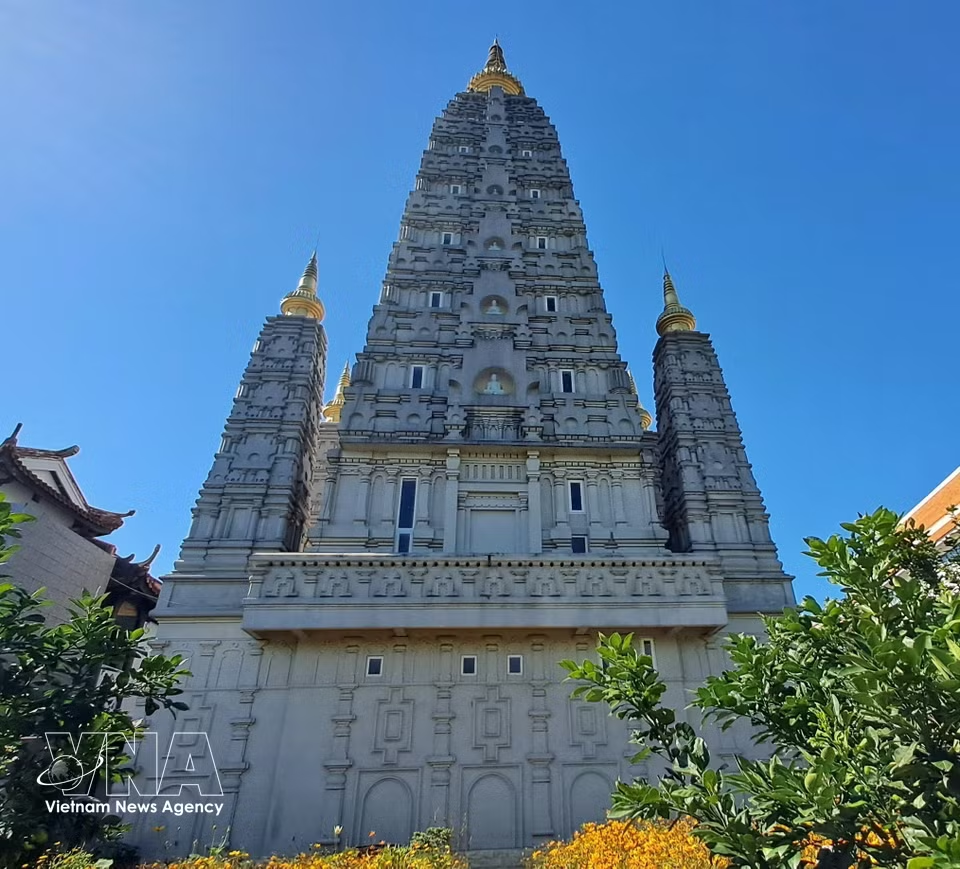
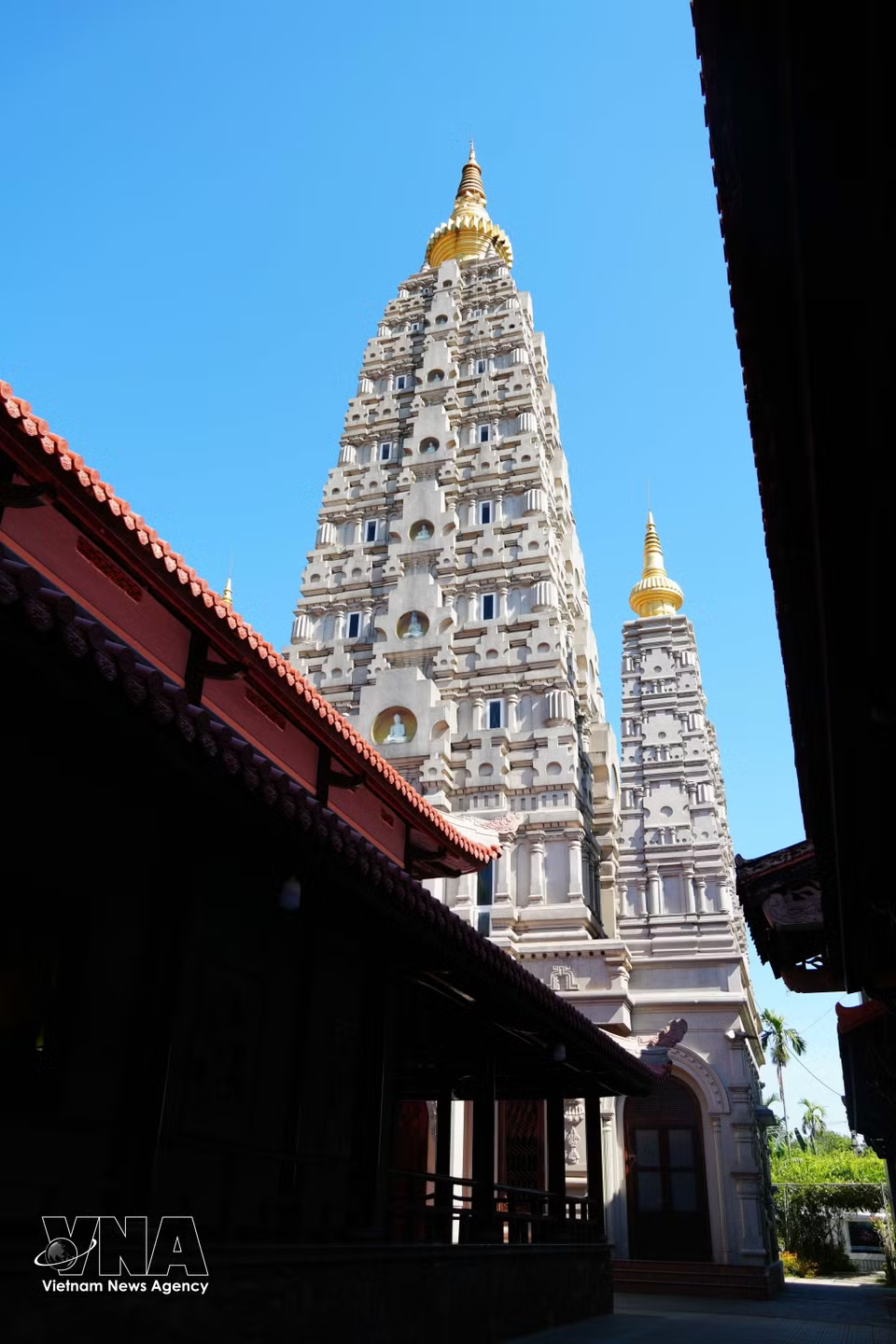
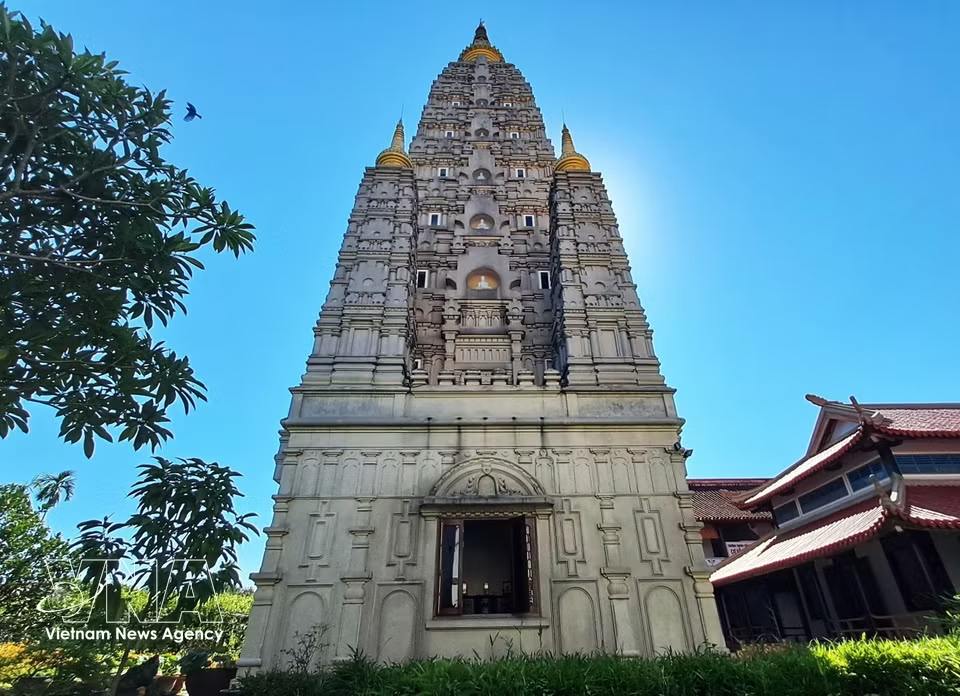
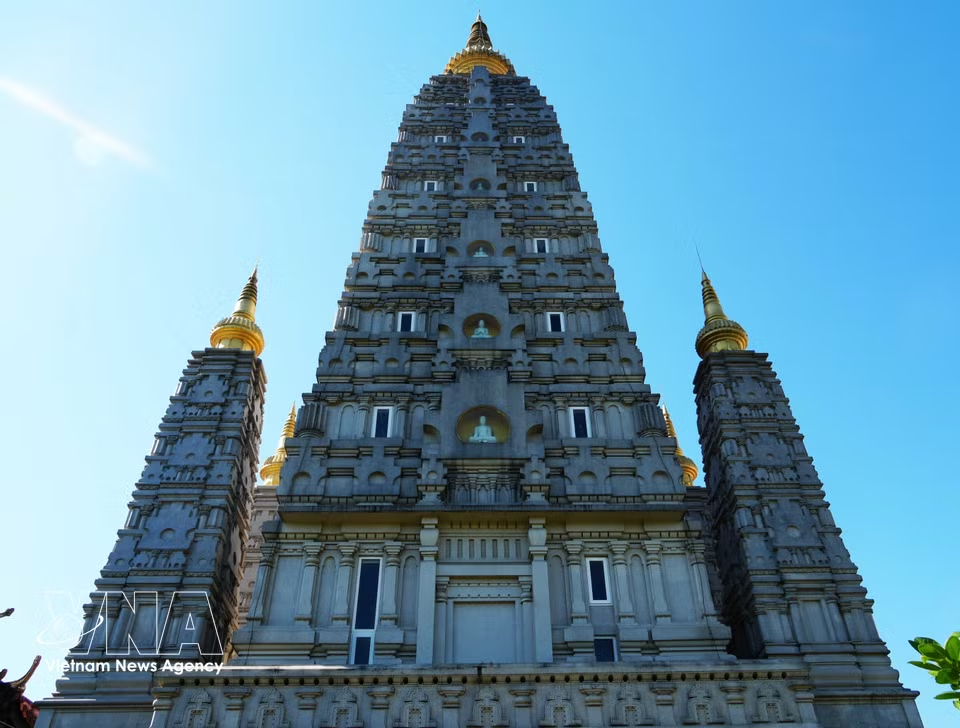
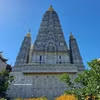
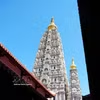
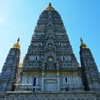
The rear view of Dai Giac Stupa, a miniature replica of the Mahabodhi Temple in Bodh Gaya, India. (Photo: VNA)
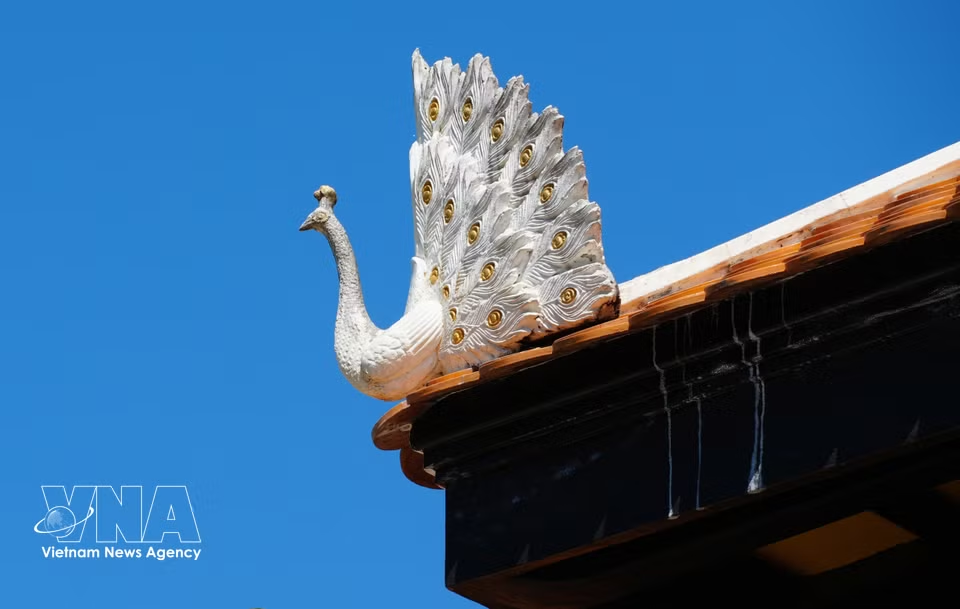
An intricately carved peacock motif adorns the entrance gate of Huyen Khong Pagoda. (Photo: VNA)
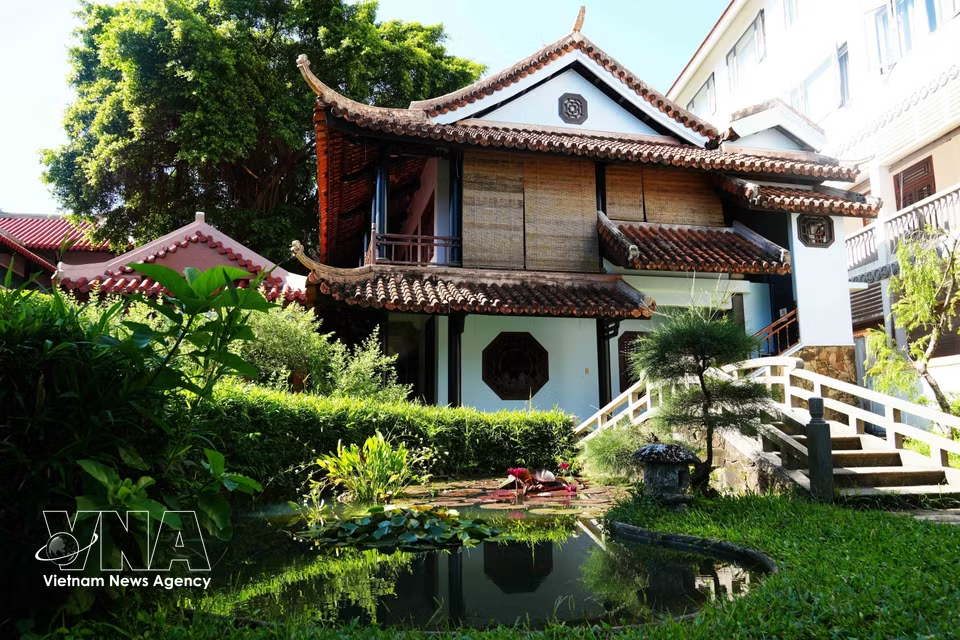
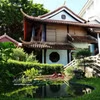
Huyen Khong Pagoda showcases a harmonious fusion of Japanese, Indian and Vietnamese architectural traditions. (Photo: VNA)
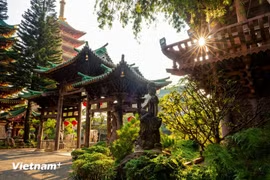
A Japanese-inspired pavilion within the grounds of Huyen Khong Pagoda. (Photo: VNA)
A side view of Dai Giac Stupa, modelled on the Mahabodhi Temple in Bodh Gaya, India. (Photo: VNA)
Another side view of Dai Giac Stupa, reflecting the design of the Mahabodhi Temple in Bodh Gaya, India. (Photo: VNA)
0
1
2
3
4
5
6
7

A fusion of cultures: Unique architecture of Huyen Khong Pagoda in Hue

Nestled in Kim Long ward, about 10 kilometres from the centre of Hue, Huyen Khong Pagoda is a renowned spiritual site in Vietnam’s former imperial capital. Restored in 1978, the pagoda is distinguished by its unique architectural style, which harmoniously combines Japanese and Indian influences with Vietnamese cultural identity and the refined aesthetics of Hue’s royal heritage.