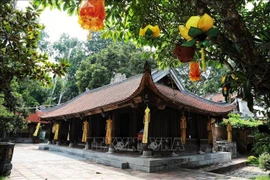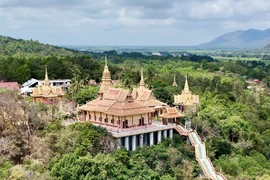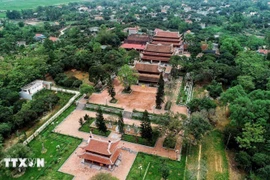
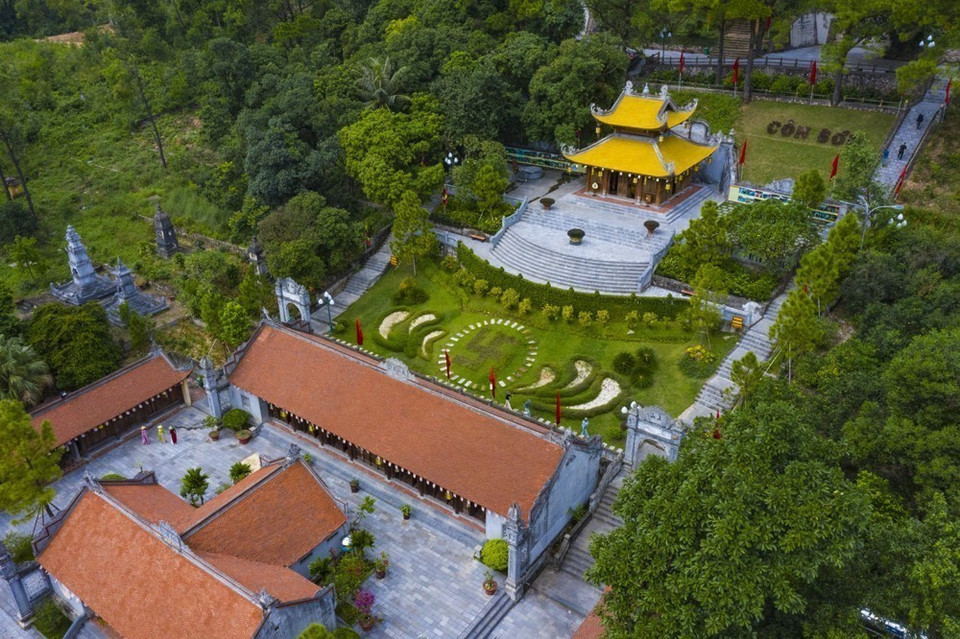
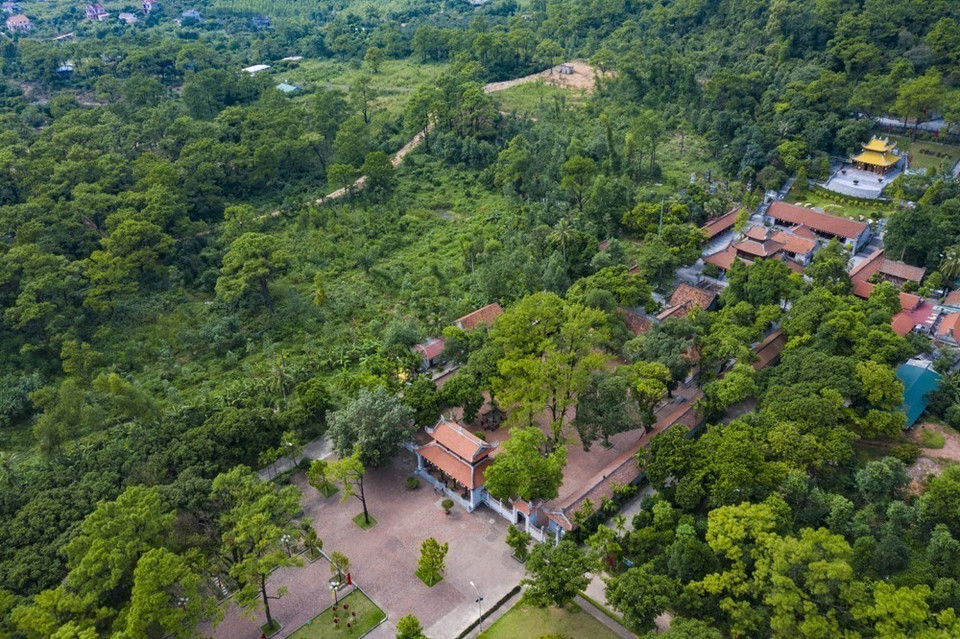
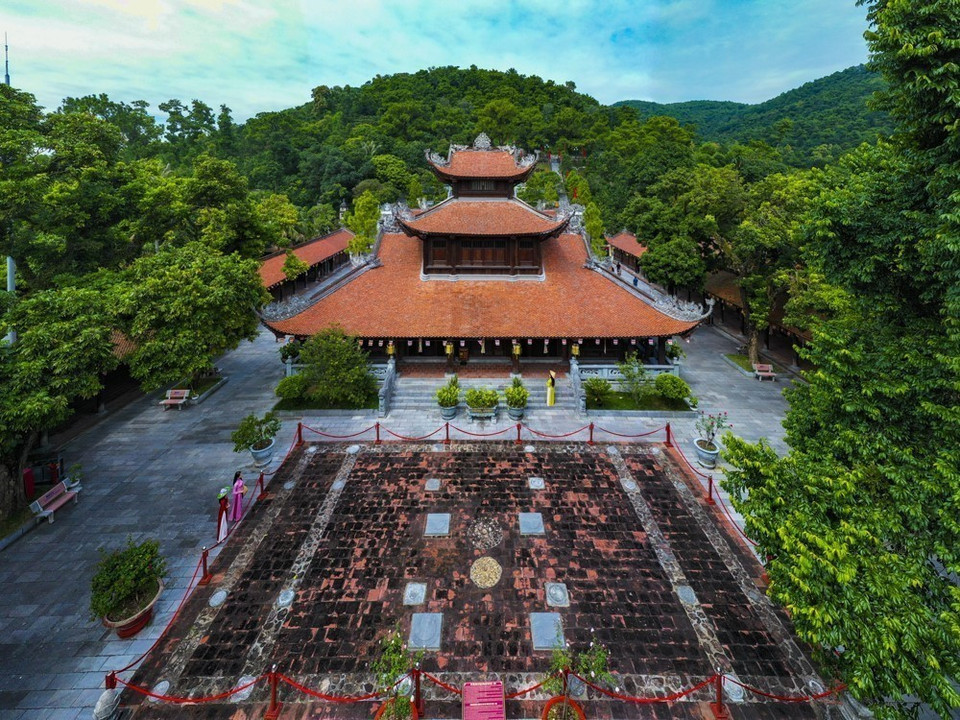
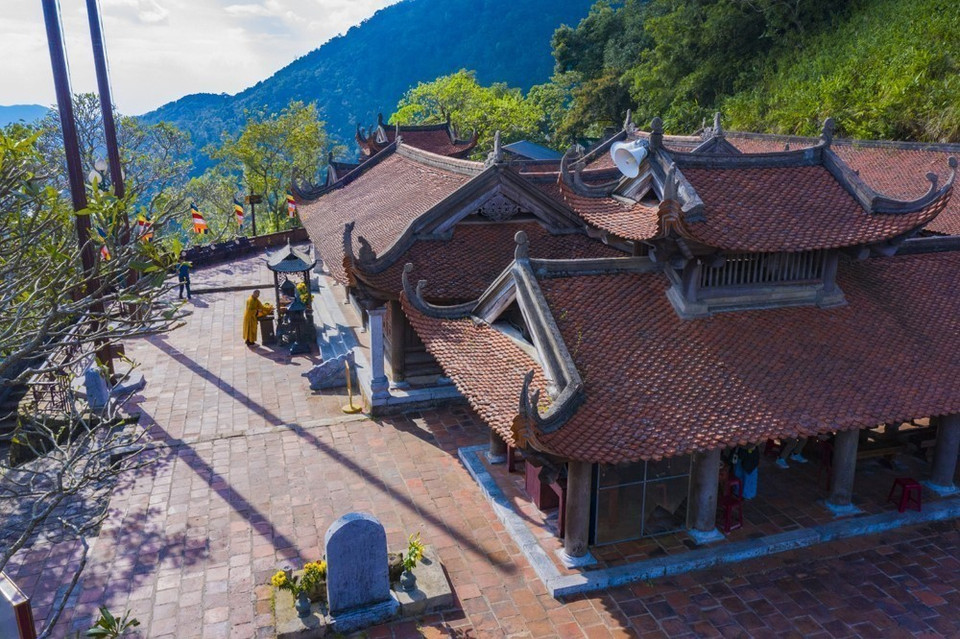
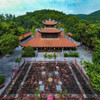
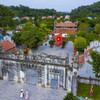
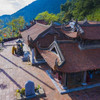
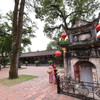
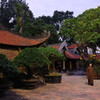
Con Son Pagoda was originally built during the Dinh–Ly dynasties (10th–12th centuries), restored in 1304 and expanded in 1329 by Zen Monk Phap Loa, the Second Patriarch of Truc Lam Zen. (Photo: VNA)
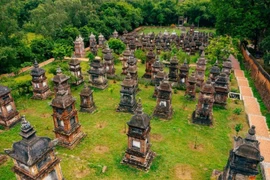
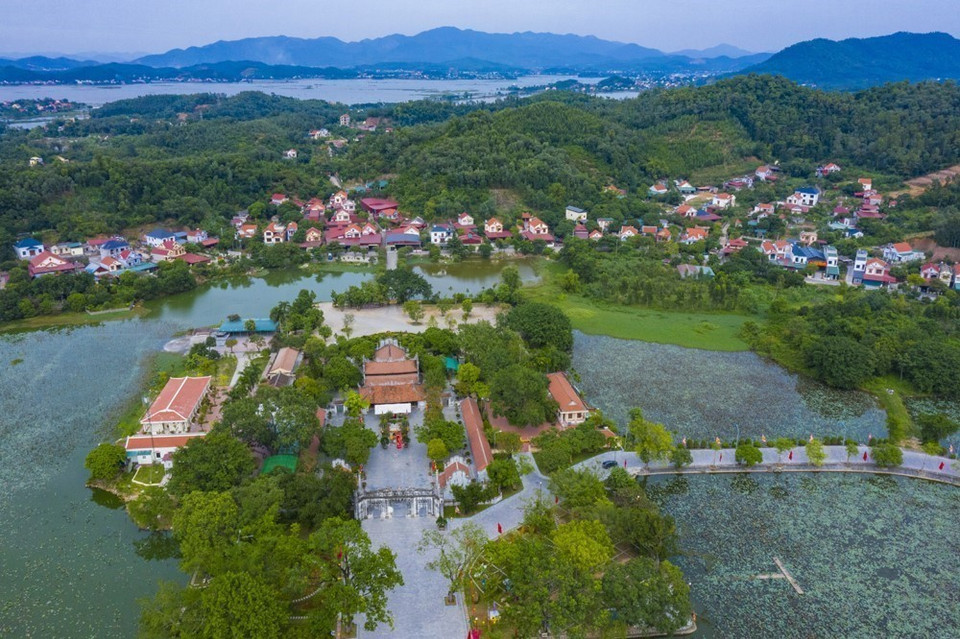
The Con Son–Kiep Bac site features numerous ancient architectural works, including temples, pagodas and stupas, set amid dramatic mountain scenery, preserving centuries-old cultural and historical values. (Photo: VNA)
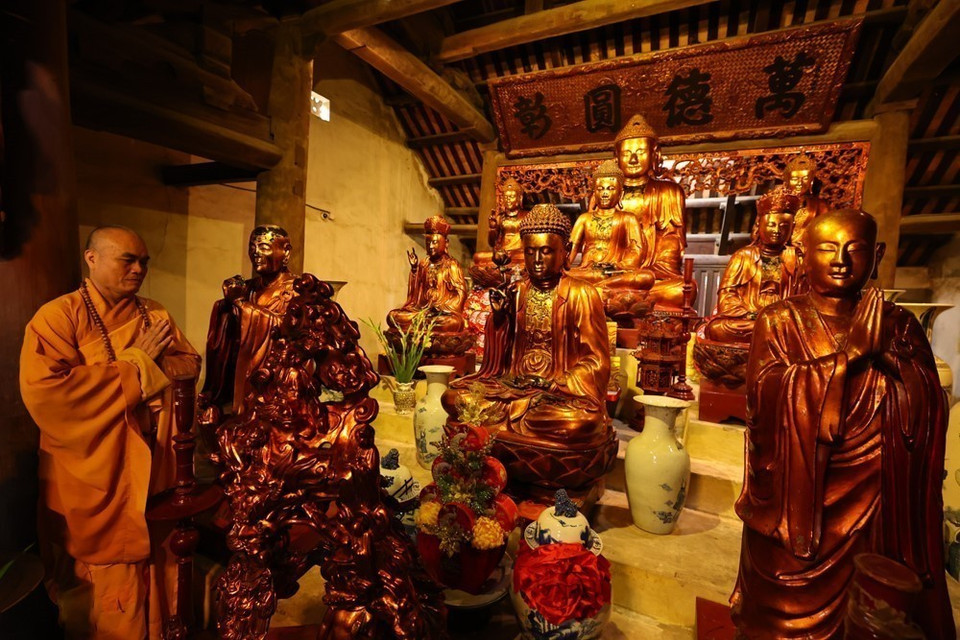
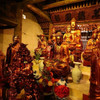
The Three Buddhas statue set at Con Son Pagoda, dating back to the Le Trung Hung (16th -18th century) Dynasty, is recognised as a national treasure. (Photo: VNA)
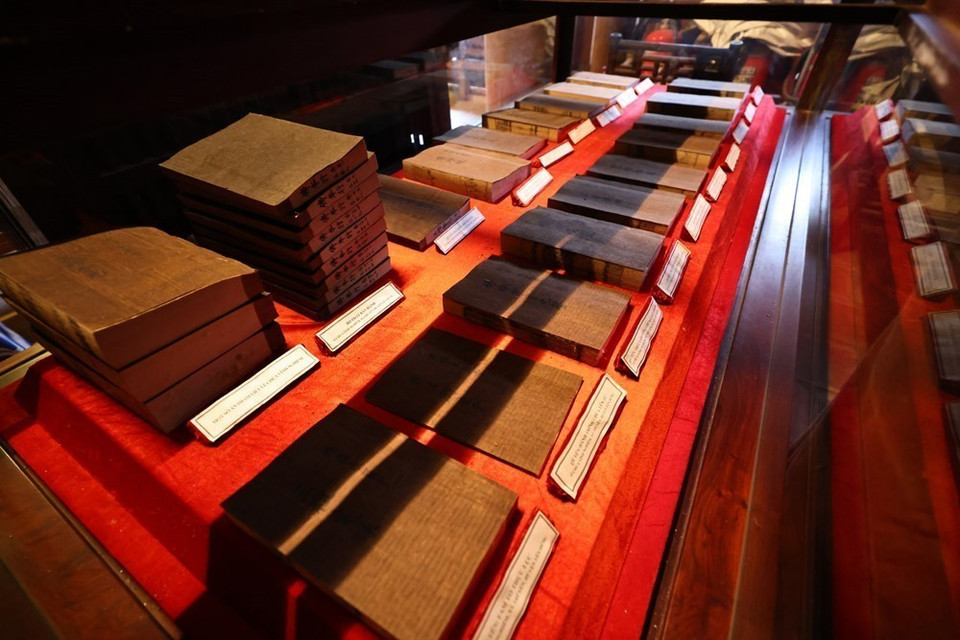
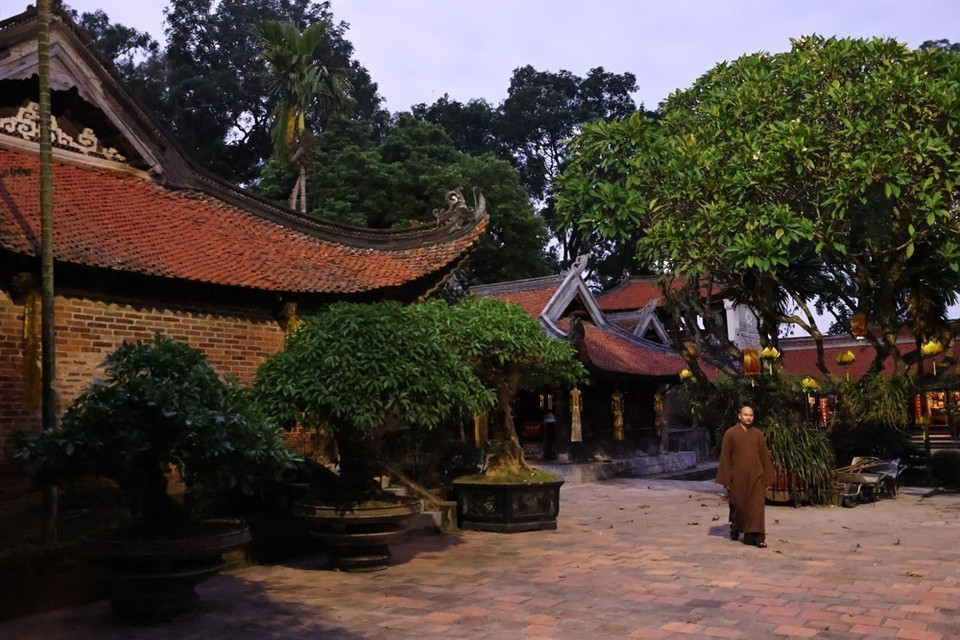
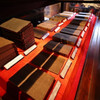
Vinh Nghiem Pagoda houses 3,050 ancient woodblocks of major historical and scholarly value. In 2012, the collection was inscribed by UNESCO on the Asia-Pacific Memory of the World Register. (Photo: VNA)
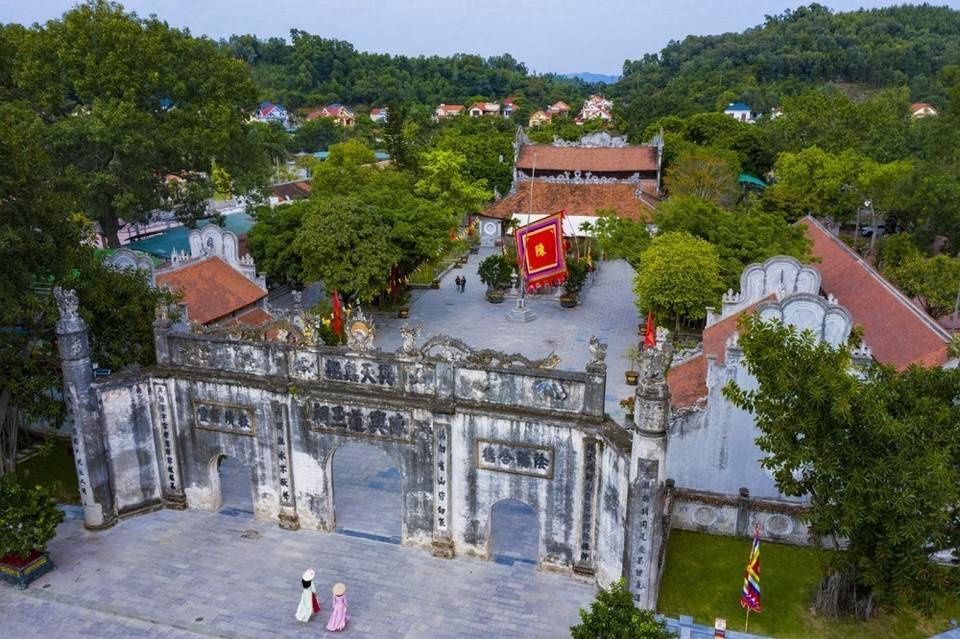
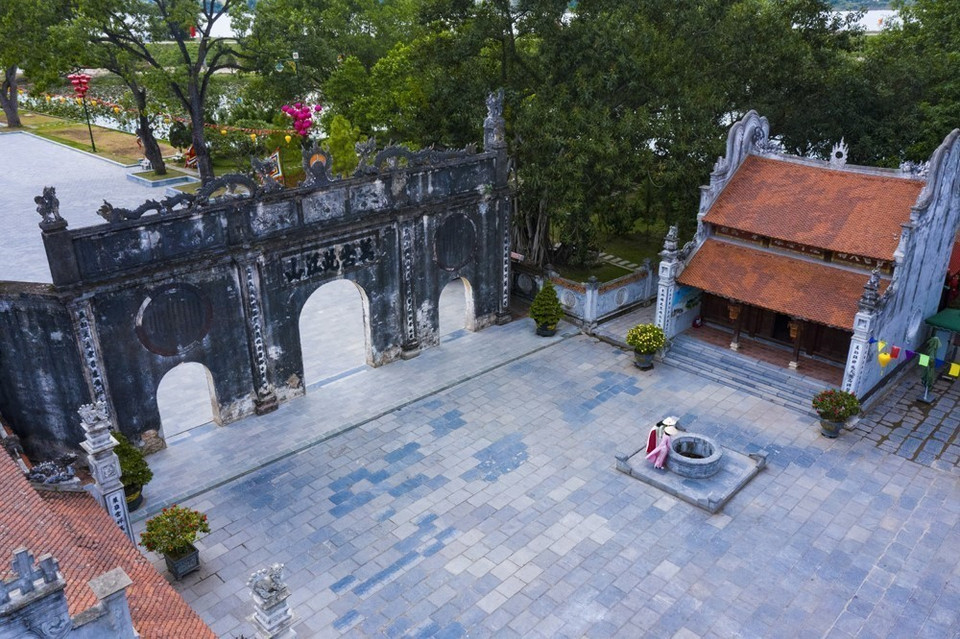
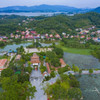
Kiep Bac Temple lies in a valley embraced by the Rong mountain range on three sides, facing the Luc Dau River on the fourth. Covering 13,500 m², the temple is known for its traditional architecture, highlighted by a majestic three-gate entrance. (Photo: VNA)
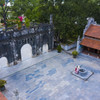
The original foundation of the Cuu Pham Lien Hoa (nine-story lotus tower) at Con Son Pagoda was discovered during archaeological excavations from 2014 to 2015. (Photo: VNA)
The monumental triple gateway of Kiep Bac Temple, notable for its solemn and time-worn architectural character. (Photo: VNA)
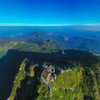
The beauty of Yen Tu lies in the serene grandeur of its sacred mountains, harmonising with the tranquil, contemplative atmosphere of its pagodas and towers. (Photo: VNA)
The outstanding historical and cultural significance of the site has made Yen Tu a revered spiritual destination for generations of Vietnamese people. (Photo: VNA)
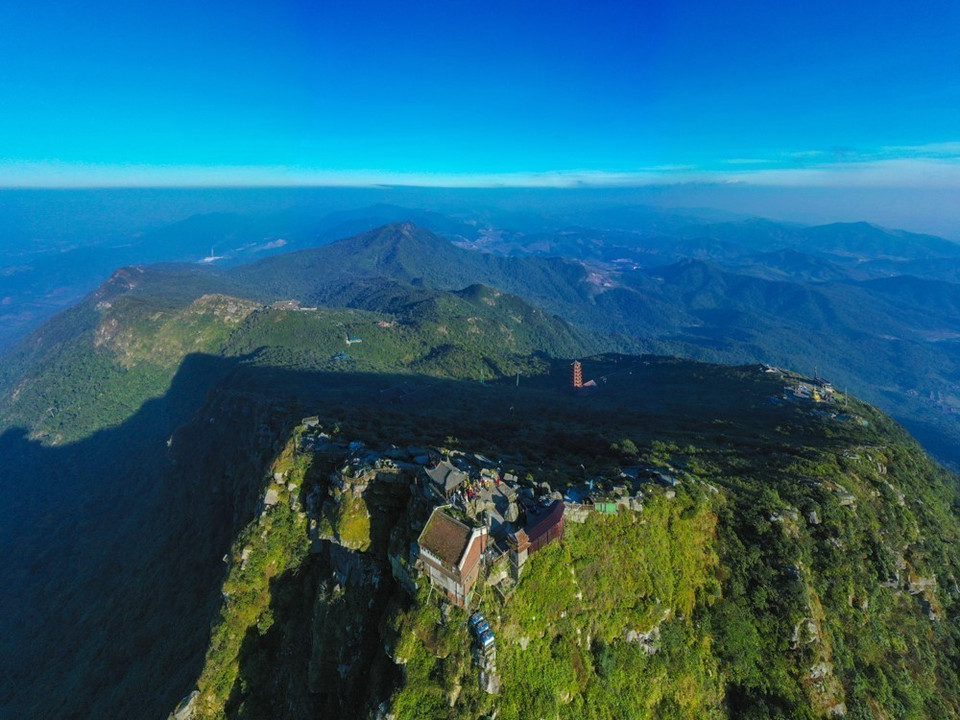
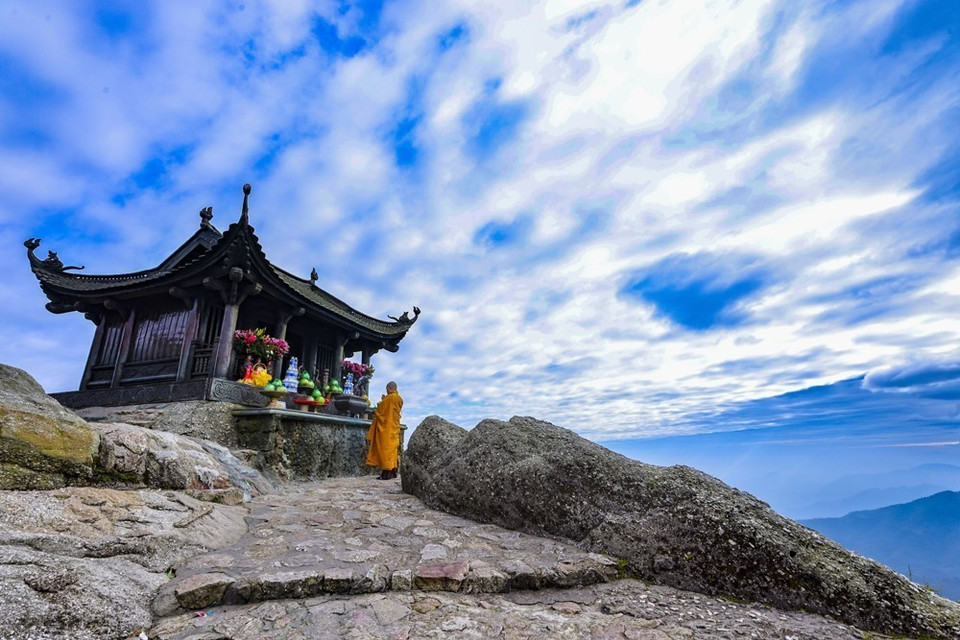
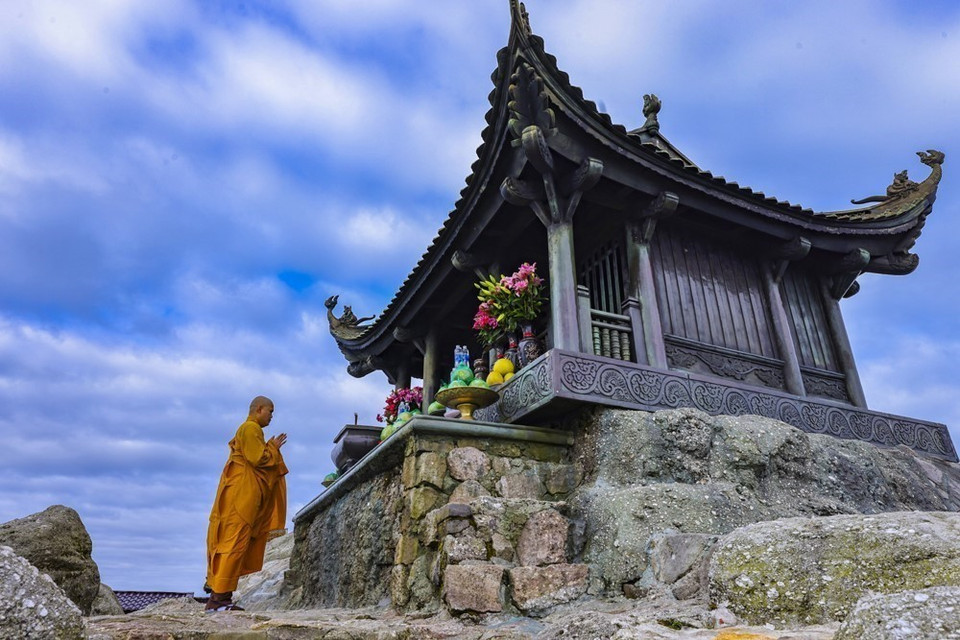
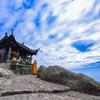
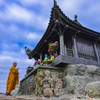
Dong Pagoda, perched atop the highest peak of Yen Tu Mountain, is made entirely of bronze and covers an area of 20 square metres. (Photo: VNA)
Dong Pagoda sits atop the highest peak of Yen Tu Mountain. (Photo: VNA)
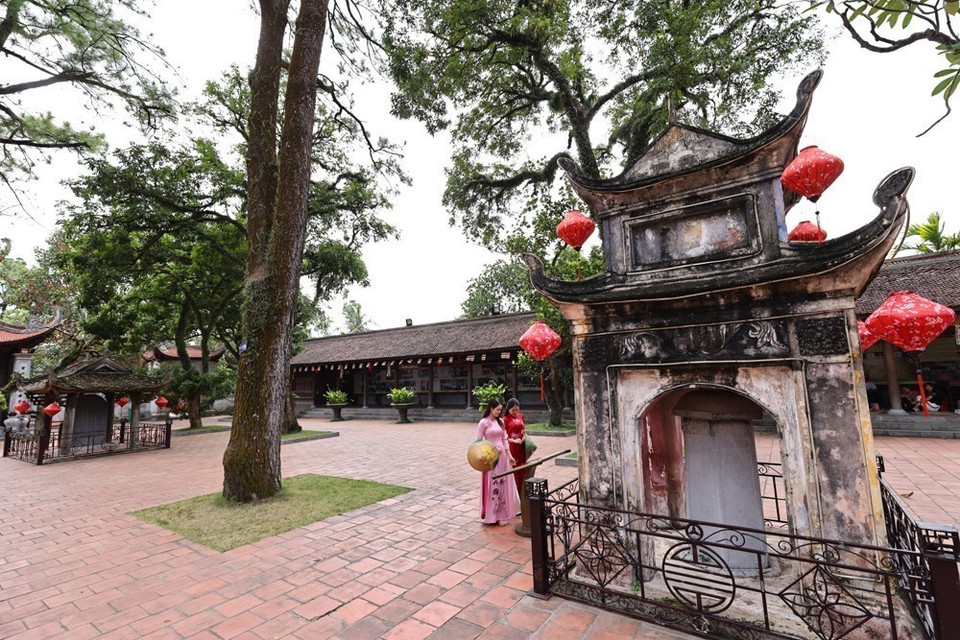
The Con Son Tu Phuc Tu Bi stele dates back to the Le Trung Hung Dynasty. It is a precious material about literature, history and fine art, especially for the study of history of Con Son Pagoda. (Photo: VNA)
Inside Kiep Bac Temple lies an ancient well called "Jade Well" whose water is inexhaustible. (Photo: VNA)
Vinh Nghiem Pagoda, also known as Duc La Pagoda, is recognised as a Buddhist centre and a national training ground for monks, as well as the birthplace of the Truc Lam Zen sect of Vietnamese Buddhism. (Photo: VNA)
0
1
2
3
4
5
6
7
8
9
10
11
12
13

Yen Tu-Vinh Nghiem-Con Son-Kiep Bac Complex of Monuments and Landscapes

The Yen Tu-Vinh Nghiem-Con Son-Kiep Bac Complex of Monuments and Landscapes is a serial heritage site comprising 12 monuments and relic clusters across Quang Ninh, Bac Ninh and Hai Phong, covering a total area of 525.75 hectares.