Bach Long Vi island: A model for marine biodiversity protection

The Bach Long Vi MPA covers more than 27,000 hectares and is divided into strictly protected zones, ecological recovery areas, development zones, and buffer zones.

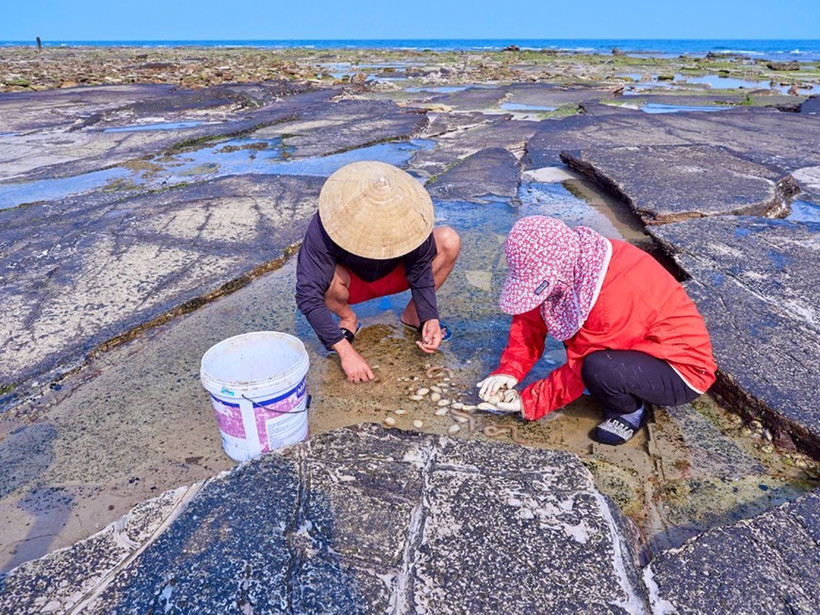
People harvest seafood on Bach Long Vi island. (Photo: Qdnd.vn)

Hai Phong (VNA) - Vietnam’s first national marine reserve - Bach Long Vi Marine Protected Area (MPA) in Hai Phong city - has played a vital role in preserving marine biodiversity and promoting sustainable fisheries since its establishment.

Conservation efforts over the past decade have helped the marine ecosystem recover, with local residents actively participating in protecting the environment. Bach Long Vi’s water area, one of the Gulf of Tonkin’s largest fishing grounds, spans 1,500 square nautical miles. Estimates suggest the area holds an estimated fish stock of 78,000 tonnes. However, overfishing and destructive practices once damaged the ecosystem, prompting the government to establish the MPA on December 31, 2013.

The Bach Long Vi MPA covers more than 27,000 hectares and is divided into strictly protected zones, ecological recovery areas, development zones, and buffer zones.

Le Van Ngoc, an official at the Bach Long Vi MPA, noted the presence of rare and valuable species such as sea cucumbers, spindle shell snails, and top shell snails, along with diverse coral reefs and seagrass beds. Since the MPA took over the region, populations of marine species, including shrimp and fish, have increased significantly. Daily patrols conducted by the MPA's staff and fishery surveillance teams help monitor fishing activities and prevent illegal exploitation.
0506-bach-long-vi.jpg
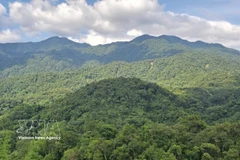
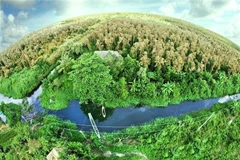
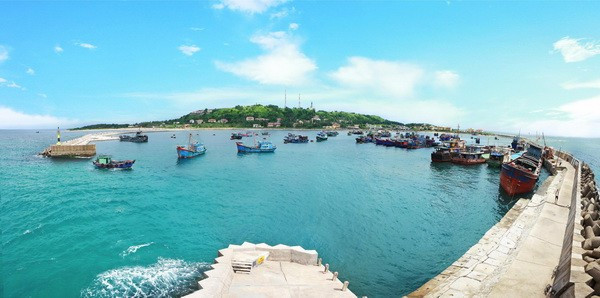
A view of Bach Long Vi island (Photo: VNA)

Fisherman Nguyen Si Bac, a 20-year resident of Bach Long Vi island, noted serious side-effects of electric shock and explosives used in fishing, which once depleted marine resources. Since the establishment of the Bach Long Vi MPA, these destructive practices have ceased. Bac and several local fishermen have volunteered to join marine patrol teams, helping to protect the reserve.

Currently, the island’s sea area is home to 395 species from 229 genera and 105 families, including 94 coral species. Efforts to protect and restore these marine resources align with the 2017 Fisheries Law and ongoing public awareness campaigns.

In 2024, the Region 1 Fisheries Surveillance Sub-department addressed five legal violations related to marine activities around Bach Long Vi island, issuing fines totaling over 144 million VND. Regular monthly outreach events and distribution of informational leaflets have further strengthened community engagement in legal and sustainable fishing practices.

These initiatives have played a crucial role in restoring the Bach Long Vi MPA’s ecosystem and supporting the island district’s broader development goals. Bach Long Vi continues to serve as a key fisheries logistics and exploitation hub in the Gulf of Tonkin, promoting economic growth and sustainable marine resource management.

Nguyen Tien Dung, Deputy Head of the Region 1 Fisheries Surveillance Sub-department, emphasised the importance of collaborative efforts in conserving the island’s marine ecosystem.

"We will maintain a strong presence at sea, intensify patrols, and strictly handle violations while working closely with local authorities to educate residents on the importance of protecting marine biodiversity," Dung stated./.
VNA

See more

Tram Chim National Park and the Mekong Conservancy Foundation (MCF) organise the workshop on sustainable restoration of wetland ecosystems in the Mekong Delta on March 24. (Photo: VNA)

Solutions sought to restore Mekong Delta wetland ecosystems

Experts at the workshop described wetlands as the “ecological heart” of the Mekong Delta, playing a vital role in water storage and regulation, climate moderation, carbon sequestration, biodiversity conservation, and livelihoods for millions of people through aquaculture, agriculture, and ecotourism. These ecosystems also help reduce disaster risks and enhance climate resilience.

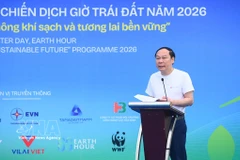
Deputy Minister of Agriculture and Environment Le Cong Thanh speaks at the ceremony to launch major environmental campaign. (Photo: VNA)

Vietnam calls for collective action on water, air, climate and sustainable future

Deputy Minister of Agriculture and Environment Le Cong Thanh underscored that water, climate, and energy are fundamental pillars of sustainable development. In Vietnam, water resources and weather patterns influence every aspect of life, from food and water security to livelihoods, ecosystem stability, and economic growth.

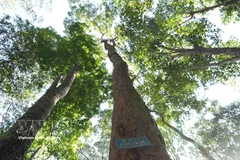
The population of trac (Dalbergia cochinchinensis) trees is strictly protected in the Dak Uy special-use forest. (Photo: VNA)

Vietnam highlights forests’ role in sustainable growth on International Day of Forests

According to Director of the Forestry and Forest Protection Department Tran Quang Bao, forests hold a strategic position in Vietnam’s development. They provide livelihoods for millions of people, particularly ethnic minorities and communities living in mountainous and forested areas, while contributing to environmental protection and disaster prevention.

The World Meteorological Day 2026 carries the theme “Observing Today, Protecting Tomorrow”. (Photo: VNA)

Ministry guides response to World Meteorological Day, World Water Day 2026

The Ministry of Agriculture and Environment urged ministries, agencies, local authorities, embassies, and international organisations to hold practical and effective activities aligned with the themes. Suggested activities include displaying eco-friendly banners, posters, and billboards in public spaces, streets, government offices, and other suitable venues to raise public awareness of the events’ importance.

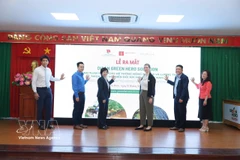
Delegates launch the Green Hero Solution project in Ho Chi Minh City on March 12, 2026. (Photo: VNA)

Vietnam, Denmark cooperate to pilot circular food model

Under the “Green Hero Solution” project, organic food waste will be collected from partner organisations and businesses and processed into compost. The compost will then be used at two Food Bank community gardens, where fresh vegetables will be grown to support disadvantaged households.

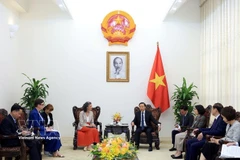
Deputy Prime Minister Tran Hong Ha meets with UNDP Resident Representative Ramla Khalidi and WHO Representative in Vietnam Angela Pratt in Hanoi on March 11. (Photo: VNA)

Vietnam steps up partnership with UNDP, WHO in tackling air pollution

Highlighting Vietnam’s close partnership with the two UN agencies, Deputy PM Ha highly appreciated their important contributions to the country’s development over the years, particularly in policy consultation, institutional reform and promoting sustainable development initiatives.

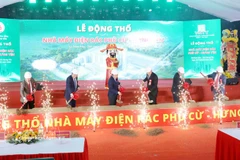
The groundbreaking ceremony for the Phu Cu waste-to-energy plant project in Doan Dao commune, Hung Yen province, on March 6 (Photo: VNA)

Hung Yen breaks ground on 4 trillion VND waste-to-energy plant

With a population of about 3.5 million, Hung Yen generates around 1,850 – 2,000 tonnes of household waste each day, along with about 1,000 tonnes of waste from production and business establishments, posing a major challenge for the locality.