Bhutanese King’s Vietnam visit expected to deepen bilateral ties: Ambassador

Hai believed that the visit would usher in a new phase of cooperation, making the Vietnam – Bhutan friendship more practical and effective for the benefit of their people, while contributing to peace, stability, and prosperity in the region and beyond.

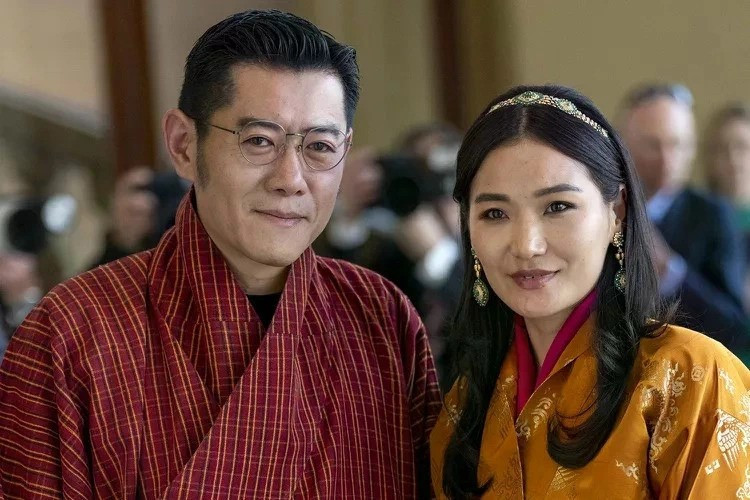
Bhutanese King Jigme Khesar Namgyel Wangchuck (L) and Queen Jetsun Pema (Photo: Getty Images)

New Delhi (VNA) – Vietnamese Ambassador to India, Nepal and Bhutan Nguyen Thanh Hai has highlighted the upcoming state visit to Vietnam by King Jigme Khesar Namgyel Wangchuck and Queen Jetsun Pema from August 18-22, the first by a Bhutanese monarch since the two countries established diplomatic ties 13 years ago, as an occasion for the two nations to shape and deepen the bilateral relationship.

Talking with the Vietnam News Agency (VNA)'s resident reporter in New Delhi, Hai said the visit shows that Bhutan attaches importance to Vietnam’s rapid development and the growing all-around cooperation between the two nations. It also reflects Vietnam’s foreign policy of independence, self-reliance, multilateralisation and diversification of external ties for the sake of peace, cooperation and development.

He described the visit as an important occasion for leaders to chart future cooperation and identify priority cooperation areas. Discussions will focus on sharing expertise in governance, socio-economic development, welfare improvement, cultural preservation, and environmental protection.

Hai believed that the visit would usher in a new phase of cooperation, making the Vietnam – Bhutan friendship more practical and effective for the benefit of their people, while contributing to peace, stability, and prosperity in the region and beyond.

Reflecting on milestones since the diplomatic ties were set up in January 2012, Hai underscored the growing friendship and cooperation, with regular exchanges of letters and messages on major occasions. Both countries quickly appointed ambassadors to accelerate bilateral cooperation, and have supported each other at international forums, notably the United Nations. Before this trip, Bhutanese Queen Mother Dorji Wangmo Wangchuck visited Vietnam in 2022 on the occasion of the 10th anniversary of diplomatic ties.

Tourism has become a standout area of cooperation. Bhutan, renowned for its Gross National Happiness index, its natural landscapes and Buddhist sites, is attracting more Vietnamese visitors, while more Bhutanese are exploring Vietnam. The launching of regular round-trip flights in 2025 is expected to further boost travel demand.

Though trade and investment remain modest, interest is rising. Vietnam has one registered investment project in Bhutan’s interior and construction sector, and with both economies growing, the two countries have ample potential for more practical and effective collaboration.
am.jpg
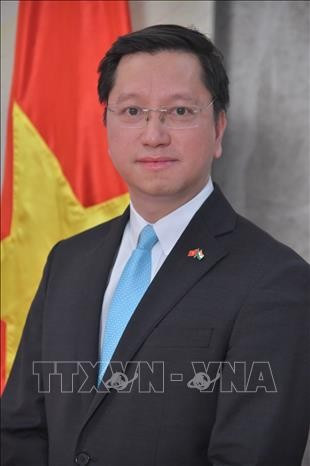
Vietnamese Ambassador to India, Nepal and Bhutan Nguyen Thanh Hai. (Photo: VNA)

Asked about what both nations should do to leverage their strengths for win-win coordination, Hai described the shared Buddhist traditions as a groundwork for people-to-people exchanges and tourism, including spiritual tourism.

Both nations also share a development philosophy: while Bhutan measures progress through Gross National Happiness, Vietnam places people at the centre of its development strategy. Each prioritises economic growth alongside cultural preservation, environmental protection, and improvements in education and healthcare, the ambassador said.

He noted that both countries are undergoing major reforms and pursuing stronger international cooperation. Bhutan, in particular, is seeking Vietnamese investors for its flagship Gelephu Mindfulness City project, a special administrative zone designed to boost green growth and well-being. The Bhutanese Government is also keen to learn from Vietnam’s experience in agriculture, food processing, freshwater aquaculture, and electrical equipment production, while welcoming investment in infrastructure and hydropower.

To unlock this potential, Hai advised both sides to establish formal cooperation frameworks, expand air connectivity, including direct flights, and ramp up joint promotion of tourism, trade, and investment to raise mutual understanding, especially business opportunities./.
VNA

See more

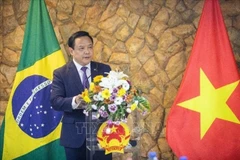
Vietnamese Ambassador to Brazil and Guyana Bui Van Nghi speaks at the event. (Photo courtesy of the Vietnamese Embassy in Brazil)

Vietnam highlights diplomatic gains, growing ties with Brazil, Guyana

On the occasion of the 50th anniversary of Vietnam – Guyana diplomatic ties, Ambassador Bui Van Nghi described the milestone as an opportunity for both sides to deepen political trust, broaden cooperation in potential areas, and make positive contributions to peace, cooperation and sustainable development in the regions and beyond.

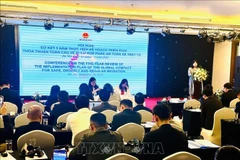
Prime Minister Pham Minh Chinh addresses the third National Forum on Digital Economy and Digital Society in Hanoi on December 20. (Photo: VNA)

Digital economy as driver, digital society as foundation of growth: PM

The forum, themed “Developing an inclusive and comprehensive digital economy and digital society to achieve double-digit GDP growth in the 2026–2030 period,” brought together leaders of ministries and localities, technology enterprises, research institutions, experts and representatives of international organisations in Vietnam.

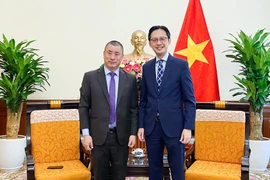
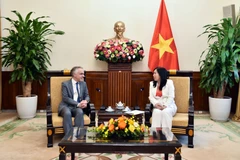
Deputy Minister of Foreign Affairs Le Thi Thu Hang (R) and Benoit Guidée, Director of the Asia–Oceania Department at the French Ministry for Europe and Foreign Affairs meet in Hanooi on December 19. (Photo: VNA)

Deputy FM meets French official

Deputy Minister of Foreign Affairs Le Thi Thu Hang stressed that Vietnam attaches great importance to its relationship with France, the first European Union country with which Vietnam has established a Comprehensive Strategic Partnership, noting that the two sides enjoy a solid foundation and significant potential for further cooperation.

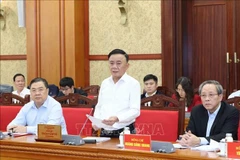
Politburo member and permanent member of the Party Central Committee’s Secretariat Tran Cam Tu speaks at the event in Hanoi on December 19 (Photo: VNA)

Senior Party official reviews preparations for 14th National Party Congress

Politburo member and permanent member of the Party Central Committee’s Secretariat Tran Cam Tu expressed his belief that relevant agencies will continue to make efforts to basically complete organisation- and service-related preparations by December 31, ensuring readiness for the final rehearsals ahead of the opening of the 14th National Party Congress.

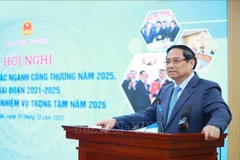
Prime Minister Pham Minh Chinh addressing the conference of the the Ministry of Industry and Trade on December 19 (Photo: VNA)

PM urges industry, trade sector to pioneer in six key areas

Prime Minister Pham Minh Chinh stressed that to make a substantive contribution to national development, the industry and trade sector must also achieve double-digit growth, generate new jobs, strengthen traditional growth drivers such as export and consumption, and accelerate emerging engines of growth, including the green, digital, circular, knowledge-based and sharing economies.

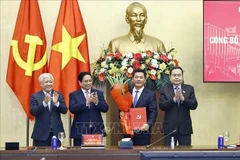
State President Luong Cuong (middle) presents congratulatory flowers to the two promoted officers (Photo: VNA)

Two military officers promoted to rank of Senior Lieutenant General

Lieutenant General Do Xuan Tung, Vice Director of the General Department of Politics of the Vietnam People’s Army (VPA), and Lieutenant General Do Van Banh, Political Commissar of the National Defence Academy were promoted to the rank of Senior Lieutenant General at a ceremony in Hanoi on December 19.

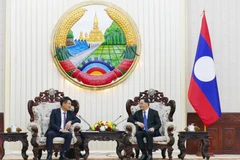
Lao Prime Minister Sonexay Siphandone (R) hosts a reception for Prosecutor General of the Supreme People’s Procuracy of Vietnam Nguyen Huy Tien. (Photo: VNA)

Vietnam–Laos step up cooperation in procuracy sector

They highly valued the effective and substantive cooperation results achieved by the Supreme People’s Procuracies of Vietnam and Laos in recent years, and called on both sides to continue enhancing coordination, stepping up exchanges of delegations at all levels, sharing professional and technical experience, and maintaining and expanding training and capacity-building programmes for officials.