VNA



A seminar was held in Ho Chi Minh City on December 15, aiming to explore ways for fostering Vietnam's trade with the two Northeast Asian countries.
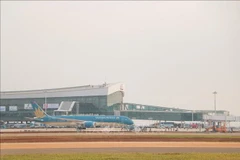
After landing, the aircraft was greeted with a traditional water salute from two fire tenders to welcome the first aircraft plane to land safely at the new airport.
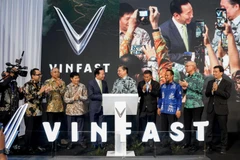
The VinFast Subang plant was completed and put into operation just 17 months after groundbreaking, demonstrating the company's rapid execution capability and strong implementation capacity. This is VinFast's fourth operational facility worldwide, and its first plant in Indonesia and Southeast Asia outside of Vietnam.
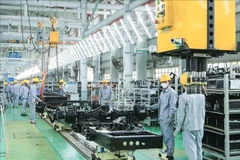
From 2021 to 2025, assistance reached more than 6,400 enterprises in adopting productivity and quality enhancement solutions, while 102 pilot models were rolled out, hitting targets five years ahead of schedule.

The event will open direct entry to Vietnam’s rapidly expanding textile and garment market, providing a platform to connect with thousands of prospective buyers, promote global brands and forge strategic partnerships across Asia.

The timely addition boosts capacity for the carrier and advances its fleet rebuilding effort since returning to management under FLC Group.
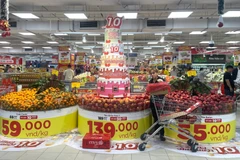
From early December, major retail chains in the city have recorded a noticeable increase in shoppers seeking Tet products. Many consumers are taking advantage of promotional programmes to purchase gift items with long shelf lives, such as confectionery, soft drinks and processed foods, well ahead of the holiday peak.
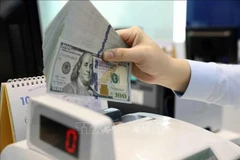
With the current trading band of +/- 5%, the ceiling rate applicable for commercial banks during the day is 26,401 VND/USD, and the floor rate 23,887 VND/USD.
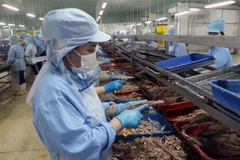
Vietnam's exports rose 16.1% to 430.2 billion USD in the first 11 months of 2025, while total trade hit 839.8 billion USD during the same period. This strong performance shows that exports remain a key driver of economic growth, boosting Vietnam's standing on the world stage in recent years.
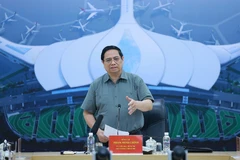
Long Thanh International Airport in Dong Nai province has a total investment of over 16 billion USD, divided into three phases. Construction of the first phase, estimated to cost 5.4 billion USD, began in 2020. Once operational, it is expected to handle 25 million passengers and 1.2 million tonnes of cargo each year.
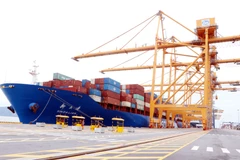
Handling the 2 millionth TEU in 2025 not only demonstrates Hai Phong Port’s operational capacity and the collective efforts of its workforce, but also highlights its increasingly important role in regional and global supply chains, the confidence of shipping lines, logistics firms and the business community, and the effectiveness of policies to improve the investment climate and strengthen maritime infrastructure and services.

As the Government accelerates the digital economy, establishing a unified national traceability system has become a crucial move to end data fragmentation and disconnection among ministries, sectors and localities.
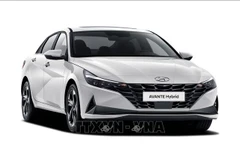
Experts forecast that 2026-2030 will mark a period of strong growth for hybrid vehicles in Vietnam, a trend that will invigorate the automotive sector while supporting national objectives on emissions reduction, sustainable development and the broader transition to green mobility.
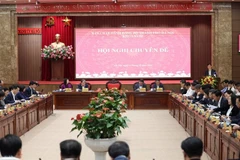
Hanoi has approved in principle two major projects, including an Olympic sports urban area and a Red River Landscape Boulevard, aimed at driving long-term growth and reshaping the capital.
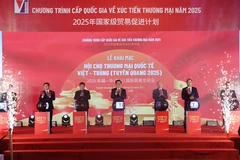
The six-day fair hosts more than 240 booths operated by companies from both countries, showcasing farm produce, medicinal herbs, machinery and equipment, consumer goods, handicrafts, and opportunities in investment, trade and tourism as well.
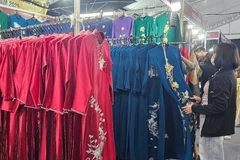
At the fair, consumers and visitors can explore and purchase a wide range of specialties and OCOP (One Commune, One Product) products, spanning food items, traditional handicrafts, as well as textiles, garments and leather goods.
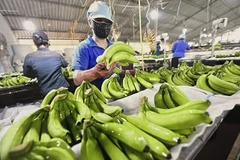
Bananas have been identified as a priority product under the Project for the Development of Key Fruit Crops to 2025, with a vision to 2030, approved in October 2022. Under the plan, banana acreage is projected to reach 165,000–175,000ha by 2030, with output of 2.6–3 million tonnes.
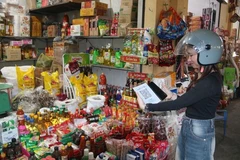
What began in supermarkets has flooded into alleyways, noodle stalls, corner shops and late-night food carts. The disappearance of loose change and slow cash hand-offs is translating directly into higher turnover for micro-merchants.
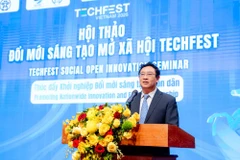
An official has underlined the crucial role of social open innovation in national development, helping Vietnam address challenges such as the middle-income trap, population ageing, environmental pollution and urban pressures.

By 2030, the country plans to expand to 600 industrial parks, adding 35,000ha to reach 181,000ha, and expand industrial clusters from 1,100 to 2,000, with an additional 29,000ha of land.