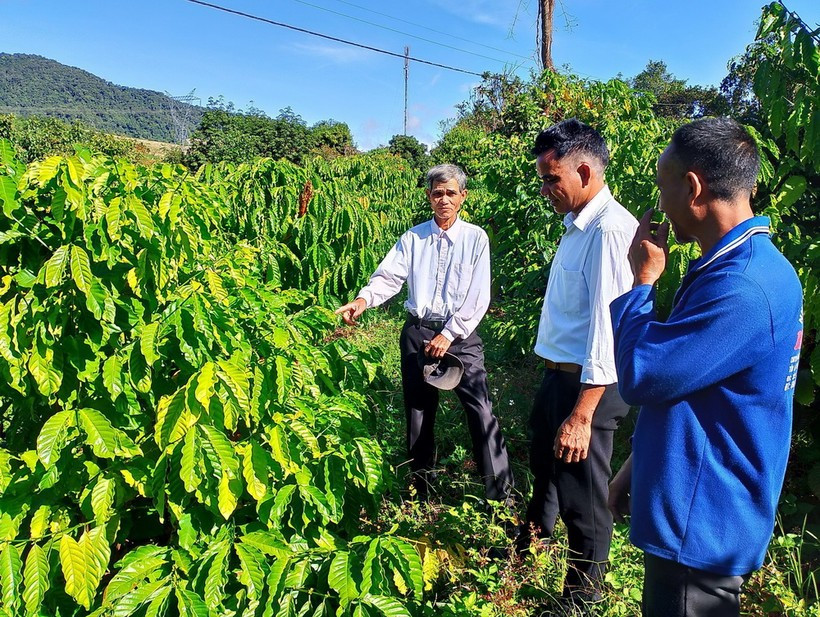
Hanoi (VNA) – Vietnam has considered sustainable poverty reduction a consistent and long-term national policy throughout its process of renewal and development towards socialism.
According to the Constitution of the Socialist Republic of Vietnam, citizens have the right to social security and equal access to welfare benefits. The State is responsible for developing a social protection system and supporting vulnerable groups such as the poor, the elderly, people with disabilities, and those in difficult circumstances.
Poverty reduction, therefore, is not only a social policy but also aims to ensure human rights. During 2021–2025, Vietnam has achieved remarkable progress in this area. The national poverty rate dropped from 5.2% in 2021 to 1.93% in 2024 and is expected to fall to around 1% by the end of 2025. Among ethnic minority communities, the poverty rate declined to 12.55%, falling by an average of 4.45% per year.
Pham Hong Dao, Deputy Chief of the National Office for Poverty Reduction, said that Vietnam has revised its national poverty standards eight times to match each stage of socio-economic development. The country is among the first 30 nations in the world, and one of the first in Asia to adopt a multidimensional poverty approach, linking minimum living standards with sustainable development goals.
Infrastructure in poor and remote areas has been significantly improved, narrowing regional disparities and fostering economic growth. Many localities have escaped from poverty and hardships thanks to targeted investment and community engagement.
The nationwide campaign “For the Poor – Leave No One Behind” for the 2021–2025 period has spread widely, encouraging self-reliance and mobilising resources from the entire society. The Government and the Vietnam Fatherland Front have worked closely to honour role models, replicate effective poverty reduction models, and promote innovative initiatives that help households escape poverty sustainably.
The National Assembly (NA) and the Government have allocated funding to implement various social welfare policies, including preferential credit, vocational training, support for labourers to work abroad, healthcare, housing, education, clean water, electricity subsidies, and legal aid for poor households.
The multidimensional poverty standards for 2021–2025 were also updated to reflect the true nature of poverty, with new indicators measuring both income and access to basic social services. These changes have helped policymakers design better targeted and more effective programmes.
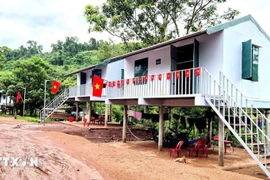
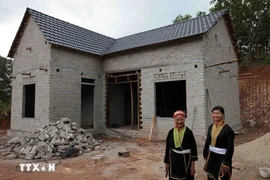
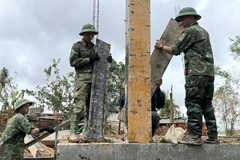
In 2021, the National Assembly approved the National Target Programme on Sustainable Poverty Reduction for 2021–2025, addressing key and urgent poverty-related issues. Many initiatives, such as nationwide movements to build schools in border communes or to eliminate substandard housing, have attracted strong public support. Vietnam aims to completely eradicate temporary and dilapidated houses for poor households by the end of 2025.
Digital transformation, innovation for poverty reduction
Looking ahead, the country will continue to promote education and communication to raise awareness about poverty reduction, and to strengthen the spirit of mutual support and compassion among communities. Authorities will guide and encourage poor households to work hard, learn production skills, and actively escape poverty instead of relying on aid.
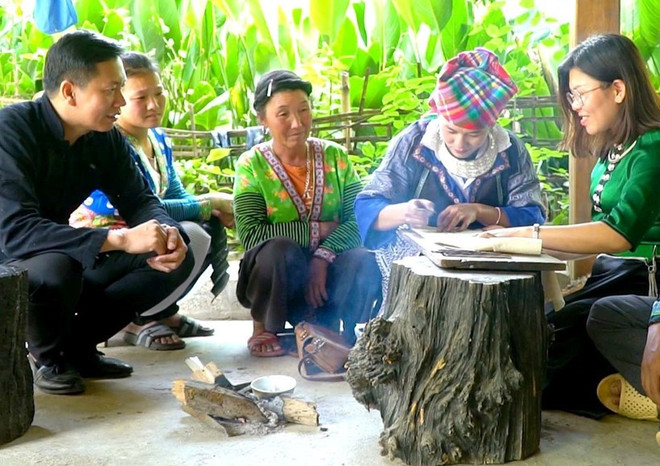
Localities will build on the success of existing movements by launching the new campaign “For the Poor – Leave No One Behind” for the 2026–2035 period, focusing on self-reliance and community development for “a Vietnam without poverty.”
Pham Hong Dao, Deputy Chief of the National Office for Poverty Reduction, noted that the multidimensional poverty standards for the 2026–2030 period will be updated to better reflect regional characteristics and living standards. The proposed income thresholds will be 2.8 million VND (106 USD) per person per month in urban areas and 2.2 million VND in rural areas.
New indicators will also be added to measure access to clean water, sanitation, digital services, and waste management, as well as vulnerability to natural disasters. These refinements aim to ensure that poverty measurement is more comprehensive and responsive to real-life conditions.
The Government plans to submit to the NA a proposal for the National Target Programme on New-style Rural Development and Sustainable Poverty Reduction for 2026–2035. The new programme will build on previous achievements and address remaining challenges by integrating poverty reduction into overall rural development and green growth strategies.
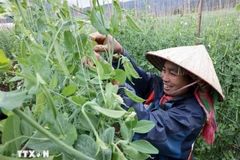
The focus will be placed on promoting eco-friendly agriculture, sustainable value chains, community-based rural tourism, and “green OCOP” products. The goal is not only to help people escape poverty but also to create opportunities for them to prosper through diverse, appropriate livelihoods.
Digital transformation and high technology will play an increasingly important role in these efforts, particularly in expanding access to information, education, and employment. The programme also aims to promote gender equality, protect vulnerable groups, and ensure transparency in monitoring and the community's participation./.