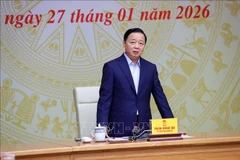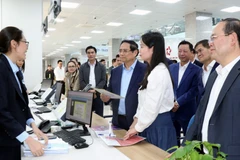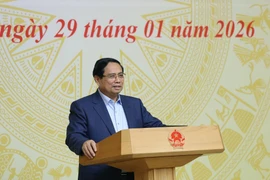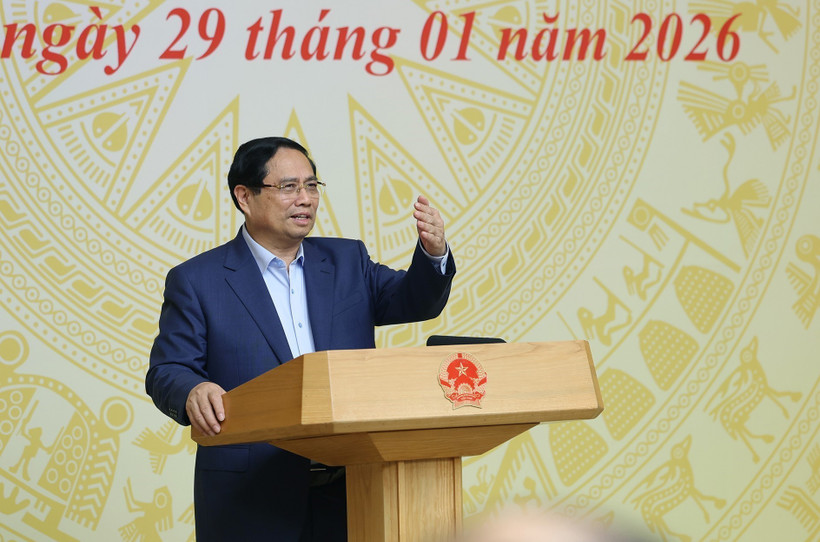
Hanoi (VNA) - Emulation movements must draw the participation of the entire population and ensure that all benefit from their outcomes, helping to improve people’s happiness and well-being, and contributing to the building of a strong, prosperous, humane and peaceful country which firmly advances toward socialism, Prime Minister Pham Minh Chinh said on January 29.
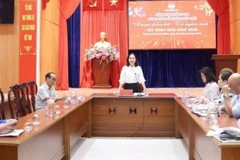
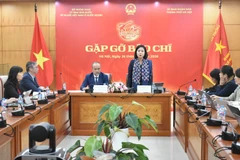
Chairing the 17th meeting of the Central Council for Emulation and Commendation for the 2021–2026 term, PM Chinh, who heads the council, said that its emulation and commendation work reflects the action-oriented spirit of the 14th National Party Congress and the determination to translate the Congress’s Resolution into practice without delay.
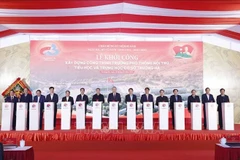
Reviewing recent patriotic emulation movements, he noted that many have been organised in a substantive and results-oriented manner, making tangible contributions to national development and improving people’s lives. He cited initiatives such as nationwide efforts to overcome the COVID-19 pandemic, and do away with substandard housing, as well as campaigns to accelerate infrastructure development, practice thrift and combat wastefulness, complete key expressway projects, and build or repair homes for households affected by natural disasters in the central region, and lifelong learning and “digital literacy for all” movements.
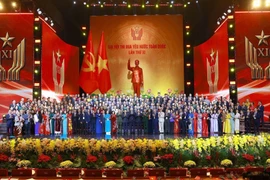
Referring to nine major orientations for emulation and commendation work in the new period, as directed by Party General Secretary To Lam at the 11th National Patriotic Emulation Congress, the Prime Minister instructed the council’s standing body to develop a concrete action programme. He emphasised the need for clear assignments, responsibilities, timelines, outcomes and authority, with a view to completing this work by February 2026.
He called for the effective continuation of existing movements alongside the launch of new ones suited to the evolving context. These movements, he said, must directly serve the implementation of the 14th National Party Congress Resolution and thematic resolutions of the Politburo.
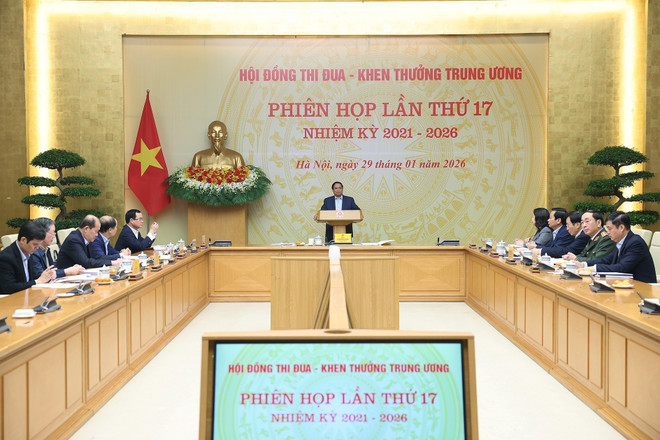
The Government leader further stressed that emulation movements should be aligned with five strategic priorities: improving strategic institutions, mobilising strategic resources, investing in strategic infrastructure, developing strategic technologies, and maintaining strategic balance.
He highlighted a strong sense of urgency and discipline in implementation, calling for adherence to principles such as avoiding any waste of time, seizing opportunities promptly, matching words with deeds, prioritising concrete action over rhetoric, and rejecting formality, showmanship and superficial achievements.
While endorsing the proposed emulation drive on innovation, science and technology, digital transformation and green transition, the PM also called for research into launching additional movements focused on both developing the private economic sector and strengthening the role of the state economic sector, and on building safe, happy and drug- and crime-free communes, wards, and special administrative zones.
He underlined that in the new phase, the launch and organisation of such movements must be based on clear content, measurable criteria and appropriate, practical forms. These efforts, he said, should generate a strong shift in awareness and action among Party committees, authorities and all segments of society, creating motivation and inspiration for nationwide participation in innovation, science and technology development, and digital transformation and green transition.
PM Chinh also called for mobilising the combined strength of the entire political system, with active participation from entrepreneurs, businesses, scientists, intellectuals, students and the wider public, so as to ignite national development aspirations, foster initiative and creativity across society, promote rapid and sustainable development, and fundamentally modernise state governance, business operations and citizens’ ways of living and working./.