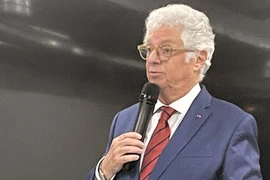
Hanoi (VNA) – Urban planning and management have created solid foundations that are ushering Vietnam into a new era of development with a markedly different standing, said Vice Chairman of the Vietnam Urban Planning and Development Association Dao Ngoc Nghiem.
He said that Vietnam’s industrialisation and modernisation over the past 40 years have gone hand in hand with urbanisation, which has been crystallised by the Party and the State into strategic orientations. A historic milestone was the issuance of the Politburo’s Resolution No. 06-NQ/TW on January 24, 2022, on the planning, construction, management and sustainable development of urban areas through 2030, with a vision to 2045. The resolution affirms the special role of urban space in the national development structure.
In the early years of renewal, Vietnam had fewer than 400 urban areas. Today, the figure has risen to more than 902 of various categories. The classification of cities has brought Vietnam’s urban system closer to international practice, while clearly defining the national and regional roles of major cities.
Vietnam’s urbanisation rate has reached 42.7%, on par with the Asian average, with the urban economy contributing around 70% of national GDP. This represents not merely quantitative growth but a qualitative shift, as cities have become hubs for industry and services, centres of high-quality human resources, and focal points of scientific and technological advancement.
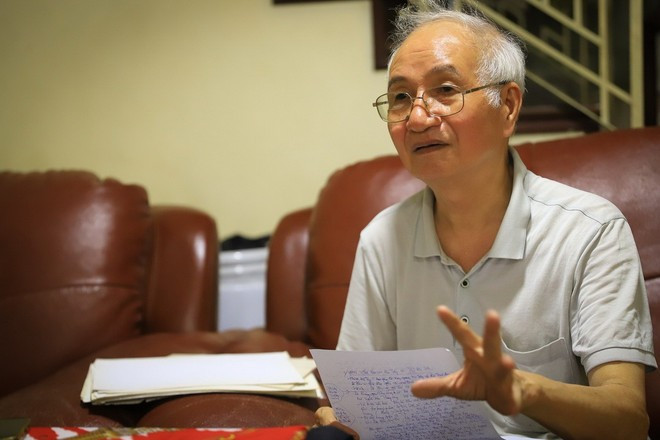
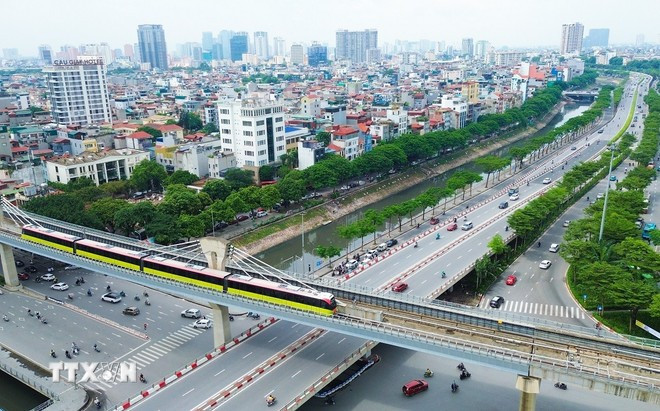
Nghiem identified three breakthrough achievements. First is the transformation of technical infrastructure, with urban transport evolving from basic road networks to more modern systems, including urban railways. Key infrastructure projects have become economic “arteries”, improving connectivity among growth regions.
Second is the marked improvement in living standards and social welfare. Average housing space nationwide has reached nearly 29 sq.m per capita, exceeding 30 sq.m in major cities. Ho Chi Minh City contributes over 20% of national GDP, while Hanoi accounts for nearly 20%, underscoring their role as the country’s main economic engines.
At the same time, Vietnamese cities are gradually striking a balance between heritage preservation and modern development, while adapting to climate change, thereby improving their global rankings.
Turning Hanoi’s planning vision into reality
Within this broader picture, Hanoi stands out as a leader in urban planning. Since 1954, the capital has formulated and adjusted its master plan nine times, reflecting flexibility in response to new development demands.
Hanoi is also the only city governed by a dedicated Capital Law. The 2024 Capital Law, comprising seven chapters and 54 articles, took effect on January 1, 2025, with certain provisions becoming effective from July 1, 2025. It defines Hanoi’s position, role, special mechanisms and policies for governance and development.
Following the 2008 administrative expansion, Hanoi now covers 3,349 sq.km. Its urbanisation rate exceeds 50% and is targeted to reach 65–72% by 2030, in line with the vision of building a “Cultured – Civilised – Modern” capital.
To realise this vision, Hanoi is mobilising substantial resources for key infrastructure projects. Priorities for 2026–2030 include completing the Ring Road 4 project before 2027, preparing investment for Ring Road 5 to enhance regional connectivity among 10 provinces and cities in the capital region, and building more than 100 km of urban railway by 2030, particularly metro Lines 2 and 3, to address congestion in the urban core.
The city is also accelerating projects to develop thematic parks and preserve its lake system, while the strategic Red River landscape axis is envisioned as a major cultural and economic corridor and a new symbol of a modern capital.
However, Nghiem pointed to three major bottlenecks: limited coordination among sectoral and multi-level plans; constraints in financial mechanisms and resources for large-scale and green infrastructure; and institutional capacity that has yet to keep pace with modern urban governance models. Given the enormous capital needs for transport infrastructure, stronger socialised investment mechanisms and regional linkages are essential to keep metro and ring road projects on track.
He proposed establishing an inter-sectoral steering committee for sustainable urban development to ensure integrated planning, alongside a comprehensive framework for digital transformation and smart urban development, underpinned by shared urban data platforms. Hanoi should also expand effective financing tools, including land value capture, municipal bonds and public-private partnerships, while strengthening public consultation and using citizen satisfaction as a key measure of success.
With 40 years of renewal as a foundation and the 2024 Capital Law as a new pillar, Nghiem expressed confidence that Hanoi is well positioned to seize fresh opportunities and realise its vision as a liveable, dynamic and pioneering city in the nation’s new era./.