Hanoi (VNA) – Prime Minister Pham Minh Chinh on March 11 urged policymakers, experts and international organisations to share global experience on population ageing and the development of the “silver economy”, drawing lessons to help Vietnam formulate appropriate strategies and policies.
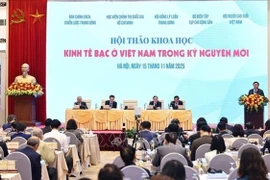
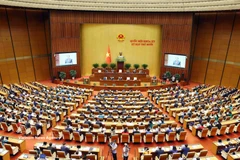
The request was made at a conference on global silver economy trends and Vietnam’s policy response, chaired by the PM in Hanoi. The meeting was connected to 34 cities and provincies across the country.
In his opening remarks, PM Chinh described the silver economy as a strategic issue for sustainable development, particularly in the light of the rapid global population ageing worldwide, including in Vietnam.
He noted that amid a rapidly changing global environment, countries are increasingly seeking new growth drivers that are sustainable and less dependent on external factors. Such efforts, he said, are essential not only to sustain economic development but also to ensure social equity, progress and welfare.

With the share of elderly people rising steadily across the world, the silver economy – referring to economic activities and services catering to older people and harnessing their contributions – is becoming an inevitable development trend, the PM said.
Vietnam officially entered the ageing phase in 2011 and is experiencing one of the fastest increases in the elderly population. By 2030, the country is expected to have nearly 18 million people aged 60 and above, about four million more than in 2024.
According to the Government leader, this demographic trend presents both challenges and opportunities. While it places significant pressure on social welfare systems, it also creates momentum to explore new growth models that can support rapid and sustainable development of the nation.
The Party and State have paid special attention to caring for senior citizens and creating favourable conditions for them to continue contributing to society. As a result, Vietnam has gradually formed a political and legal framework for developing the silver economy through policies on adapting to population ageing, improving elderly care and promoting the role of the elders, he stressed.
Under an action programme implementing the resolution of the 14th National Party Congress, the Party Central Committee’s Commission for Policies and Strategies has been tasked with drafting a national project on silver economy development in Vietnam, aiming to enhance the welfare and quality of life of elderly people while tapping their contributions to socio-economic development, the PM said.
The Government has also issued the National Strategy for the Elderly until 2035. Most recently, Resolution No. 36/NQ-CP introduced measures to promote high-quality healthcare services, a core pillar of the silver economy.
Quoting President Ho Chi Minh’s view on the role of senior citizens, PM Chinh reaffirmed that older people are not a burden but a valuable resource for the country’s development.
He also asked ministries, sectors and localities to review the implementation of the National Strategy on the Elderly, particularly by assessing achievements, limitations and underlying causes, as well as lessons drawn from practical experience at the local level.
The PM encouraged participants to propose specific policies, development models and solutions to promote the silver economy in Vietnam, including initiatives linked with science and technology, digital transformation, green transition and entrepreneurship.
Such efforts, he said, will help transform population ageing from a challenge into an opportunity, while ensuring social security, creating jobs and making better use of the knowledge and experience of older people.
Under the agenda, delegates will examine global trends in the silver economy, discuss ways to protect national interests, and suggest development models tailored to Vietnam’s ageing population./.