Ottawa (VNA) – Phan Thi Quynh Trang, founder of the Canada - Vietnam Cultural & Educational Council (CVCEC), hoped the National Assembly in the new term will promote policies supporting businesses, developing high-quality human resources and making effective use of international trade agreements, thereby helping Vietnam deepen its integration into the global economy and enhance its position regionally and internationally.
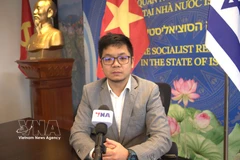
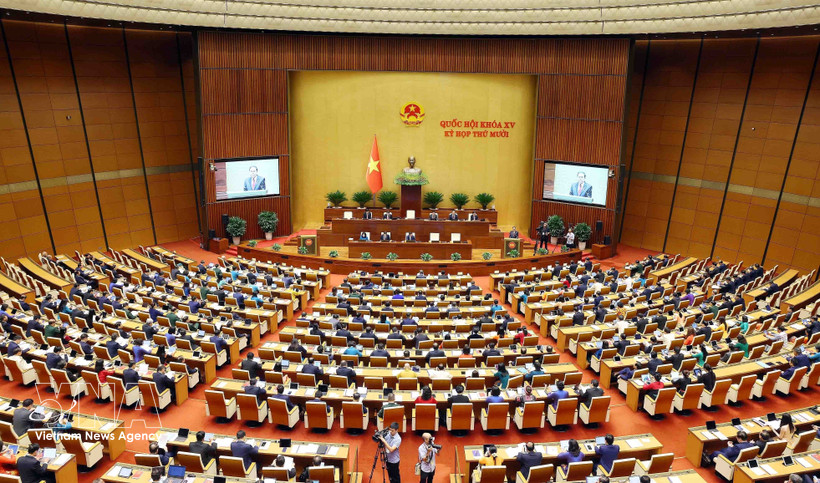
In an interview with the Vietnam News Agency’s correspondent in Canada, Trang said that the Vietnamese community abroad closely follows major political events in the homeland, including the upcoming election of deputies to the 16th National Assembly (NA) and People’s Councils at all levels for the 2026-2031 tenure.
Such events not only shape the country’s development but also strengthen overseas Vietnamese (OV)’s confidence and motivation to stay connected with and contribute to the homeland. From the perspective of the Vietnamese community in Canada, Trang noted that following the activities of the NA provides an opportunity to understand the country’s development priorities and identify ways to contribute to Vietnam’s growth.
Assessing the performance of the 15th NA term, she assessed that the legislature has adopted numerous important policies that have helped promote economic growth and elevate Vietnam’s international standing.
She highlighted the NA’s role in ratifying and implementing new-generation free trade agreements such as the Comprehensive and Progressive Agreement for Trans-Pacific Partnership (CPTPP), the EU–Vietnam Free Trade Agreement (EVFTA) and the Regional Comprehensive Economic Partnership (RCEP). These agreements have opened up new opportunities for trade and economic cooperation while enabling Vietnamese enterprises to integrate more deeply into global value chains.
From a foreign affairs perspective, Trang noted that parliamentary diplomacy and the expansion of strategic partnerships have enhanced Vietnam’s role and reputation on the international stage. These developments not only create favourable conditions for international cooperation but also reinforce the confidence of OV communities in the country’s development prospects.
Looking ahead to the new term of the National Assembly and People’s Councils, Trang expressed hope that the bodies elected by the people will continue advancing institutional reforms to create a more transparent and business-friendly environment. In the context of a rapidly evolving global economy, she said innovation, digital transformation and sustainable development will play key roles in strengthening Vietnam’s competitiveness.
She also said she wishes the National Assembly would further strengthen policies that encourage international integration and create more opportunities for OVs to participate in the country’s development.
In this regard, she suggested expanding dialogue and consultation mechanisms between the National Assembly and OV communities, and establishing additional forums or consultative platforms that could allow policymakers to gather opinions from Vietnamese communities worldwide in fields such as education, science, technology and economic development.
She also stressed the importance of continuing to build a transparent and favourable environment for investment, cooperation and knowledge transfer, which would encourage OVs to contribute more actively to the country’s progress, adding that policies that promote OV engagement in areas such as investment, education, science and innovation can create new opportunities for meaningful contributions./.
VNA