Hanoi (VNA) – Food price hikes driven by floods in many central localities have exerted direct pressure on the consumer price index (CPI) in November, the National Statistics Office (NSO) reported on December 6.
The CPI in November 2025 increased 0.45% compared with October, mainly due to sharp rises in food prices caused by severe impacts of natural disasters and higher fuel prices.
Over the 11 months, the CPI rose 3.29% year on year, while core inflation increased by 3.21%, indicating that inflation control efforts remain on track despite mounting challenges.
Last month’s index was up 3.28% from December 2024 and 3.58% year on year.
Meanwhile, gold prices continued to witness record growth, reinforcing theis precious metal’s role as a safe-haven asset amid global geopolitical uncertainty.
Floods, input costs drive food prices
In November, prices went up in nine out of the 11 main commodity and service groups. Food and catering services posted the strongest increase, up 0.95%, contributing 0.34 percentage points to the overall CPI rise.
Nguyen Thu Oanh, head of the NSO’s Price and Services Department, said that food prices soared in the provinces and cities directly hit by post-storm floods. Higher input costs pushed up prices of meals eaten away from home while higher fuel prices further added to the CPI expansion.
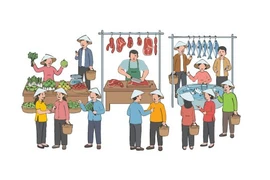
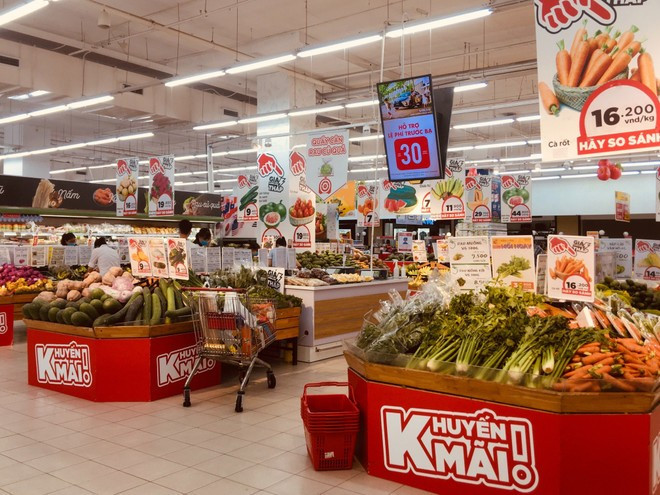
Specifically, food prices climbed 1.33% in November as consecutive storms and floods triggered widespread inundation and disrupted supply chains. Prices of fresh, dried and processed vegetables jumped 12.71% month on month, with increases ranging from 10% to 62% in many localities.
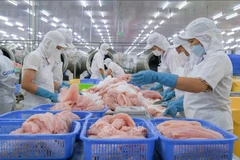
Other fresh food items also recorded the upward trend. Fresh seafood prices rose by 0.87% due to constrained fishing activities, while egg prices climbed 1.14% amid higher demand and reduced supply after floods. Poultry meat prices edged up 0.28% as supply declined.
Prices of meals eaten outside the home increased by 0.34% due to higher material and service costs.
In contrast, pork prices fell slightly, by 0.42%, thanks to stable animal feed costs.
Beyond food, the transport group experienced a notable rise of 1.07%, pushing up the CPI by 0.11 percentage points, largely due to domestic fuel price adjustments. The education group inched up 0.05% following tuition fee increases at some non-public institutions for the 2025–2026 academic year, while public schools continue to benefit from fee exemptions and reductions under Decree 238/2025/ND-CP.
Meanwhile, the group of housing, electricity, water, fuel, and construction materials declined by 0.1% as colder weather dampened demand, leading to a 1.53% drop in electricity prices and a 0.34% fall in water prices. However, house rents and maintenance materials still rose amid year-end repair and construction demand.
Gold price index surges 66.74%
In November, the domestic gold price index rose by 1.9% month on month. Compared with December 2024, it shot up by a record 66.74%.

Meanwhile, the domestic USD price index slipped by 0.11% in November despite a 1.2% rise in the global USD index driven by safe-haven demand in the face of volatility.
Overall, the CPI rose by 3.29% over the first 11 months, mainly due to adjustments in healthcare service prices, higher housing and utility costs, and increased food and catering prices.
However, core inflation went up only 3.21% from the same period last year, lower than the overall CPI growth of 3.29%. This suggested inflationary pressure stemmed largely from seasonal factors, global price fluctuations, and State-managed items rather than broad-based demand.
This trend reinforced confidence in the Government’s capacity to keep inflation under control and maintain macro-economic stability in the remaining months of 2025./.