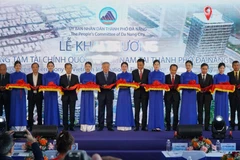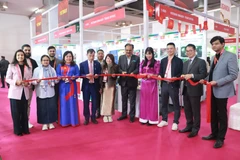
HCM City (VNA) - The Ho Chi Minh City and Guangdong-Hong Kong-Macao Greater Bay Area (GBA) Investment - Trade Forum 2025 successfully convened in Ho Chi Minh City (HCMC) on June 12, 2025.
This significant event was co-organised by the GBA Entrepreneurs Alliance and the Hong Kong – Vietnam Chamber of Commerce (HKVCC), in collaboration with the Investment and Trade Promotion Centre of HCM City (ITPC), the Hong Kong Economic and Trade Office in Singapore (HKETO), the Qianhai Shenzhen-Hong Kong Modern Service Industry Cooperation Zone of Shenzhen, and other relevant authorities and chambers of commerce in Shenzhen.
The Forum aimed to foster multi-sectoral exchange and cooperation between China, particularly the GBA, and Vietnam, especially HCM City. It served as a valuable platform for enterprises from both sides to discuss and promote collaboration in key sectors such as investment, finance, science and technology, import-export, e-commerce, manufacturing, and logistics.
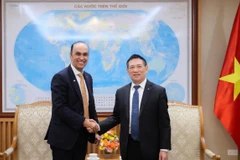
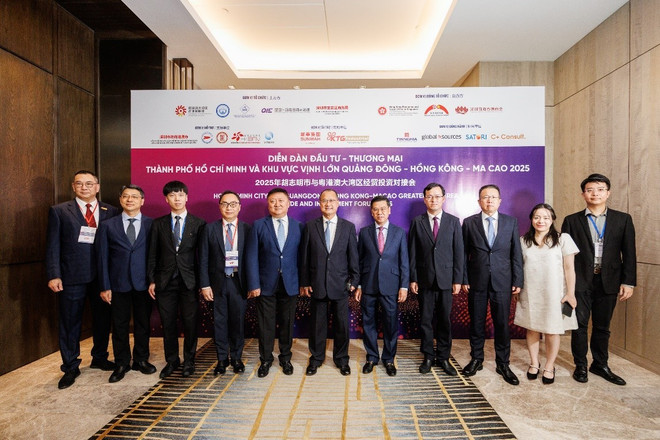
The event's distinguished guests included Nguyen Van Dung, Vice Chairman of the HCM City People’s Committee; Xu Zhou, Acting Consul General of China in HCM City; Jiang Likun, Director of the Hong Kong and Macau Affairs Office of the Shenzhen municipal People’s Government; Owin Fung, Director of the Hong Kong Economic and Trade Office in Singapore; and Cao Thi Phi Van, Deputy Director of ITPC. They were joined by leaders from various departments, as well as over 150 senior representatives from local associations and businesses, and a delegation of 60 business leaders from the GBA.
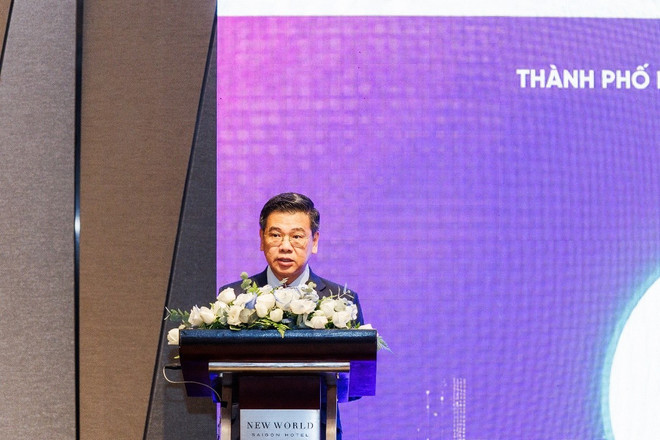
Nguyen Van Dung, Vice Chairman of the HCM City People’s Committee, emphasised that economic and trade cooperation remains a key highlight in the Comprehensive Strategic Partnership between Vietnam and China, contributing to the vision of building “a community with a shared future of strategic significance.”
Vietnam continues to be China’s largest trading partner in ASEAN. According to customs data, bilateral trade volume reached a record high of 205.2 billion USD in 2024, an increase of 33.3 billion USD from 2023. This milestone makes China the first partner with whom Vietnam has surpassed the 200 billion USD trade threshold.
In terms of investment, Vietnam attracted nearly 18.4 billion USD in registered foreign direct investment (FDI) in the first five months of 2025, representing a significant 51.2% year-on-year increase. China ranked as Vietnam’s third-largest investor (after Japan and the Republic of Korea), with 1.81 billion USD in newly registered capital, accounting for 25.8% of the total. Notably, Chinese investors have increasingly focused on electronics and auto parts manufacturing in Vietnam, leveraging the country’s cost and geographic advantages in global supply chains.
HCM City led the nation in FDI attraction during the first five months of 2025, accounting for 39.1% of new projects. Chinese investors continue to show strong interest in the city, particularly in processing and manufacturing, electronics, and green energy. This shift reflects a growing trend of investment in high-tech industries aligned with the city’s sustainable development agenda.
Dung highlighted HCM City’s role as a special metropolis and Vietnam’s leading economic hub. Although it currently accounts for only 0.6% of Vietnam’s land area, it contributes nearly 20% of the national GDP and 25% of national budget revenue. By September 15, 2025, upon completion of the ongoing administrative merger, the new Ho Chi Minh City will expand significantly from 2,095 sqkm to over 7,000 sqkm, and its population will increase from approximately 9.5 million to around 15 million. With expanded administrative boundaries, more abundant resources, and a more favourable, efficient investment environment, the city is poised to enter a new phase of growth with even greater development ambitions. This process also opens new opportunities for cooperation with international partners, including China.
The city is currently implementing several strategic initiatives to promote economic development and global integration. Notably, the HCM City International Financial Centre was approved by the Politburo at the end of 2024. The city aims to learn from Hong Kong, one of the world’s leading financial centres, particularly in applying green finance to develop into a sustainable green financial hub. Hong Kong’s experience offers valuable lessons for HCM City at this crucial stage.
HCM City also seeks to expand cooperation with partners from the Greater Bay Area in infrastructure development, a key priority in the post-merger period. The integrated development model of Guangdong, Hong Kong, and Macau serves as a useful reference for HCM City in promoting regional connectivity and growth. In addition to hard infrastructure, the city hopes to strengthen “soft connectivity” through digital transformation partnerships with the GBA, focusing on AI technology sharing in urban governance, developing an interconnected big data ecosystem, and launching Fintech platforms for cross-border payments.
The Vice Chairman also noted that the Mekong Delta region and HCM City are currently major food suppliers to China, particularly the Greater Bay Area. Therefore, both sides should enhance cooperation in developing the food processing industry by optimising agricultural logistics, boosting trade, and sharing modern processing technologies to help HCM City businesses better access the GBA market.
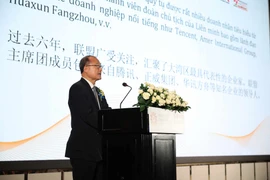
Dr. Jonathan Choi, Chairman of the GBA Entrepreneurs Alliance, HKVCC, the Chamber of Commerce of Hong Kong in Qianhai (Shenzhen), and Sunwah Group, delivered opening remarks on the GBA’s strengths. He emphasised Hong Kong’s role as a global financial centre with a transparent legal system, deep capital markets, and close ties to international investors; Shenzhen’s strength in rapid tech innovation and hardware manufacturing; and Guangzhou’s leadership in research, biotech, and smart transportation. Each city contributes unique advantages, forming a well-integrated network to swiftly commercialise ideas from lab to market.
Dr. Choi expressed confidence that the GBA will continue serving as an effective bridge between China and Vietnam, not only in trade but also in innovation, technology transfer, and sustainable investment. The openness and dynamism of GBA cities, combined with Vietnam’s drive for deeper integration, will lead to increasingly practical and enduring partnerships.
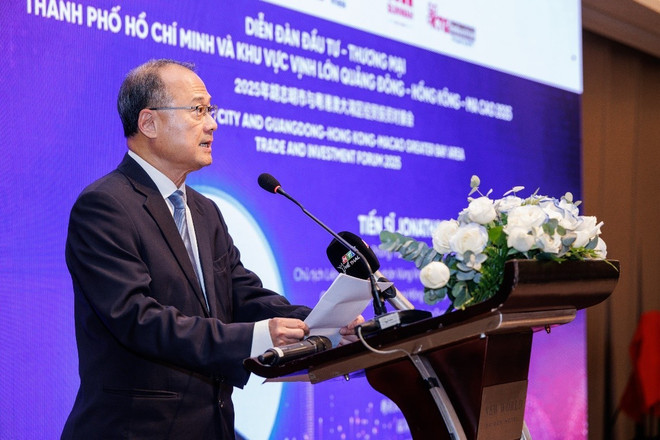
Representing the Shenzhen municipal Government, Jiang Likun highlighted Shenzhen’s pivotal role in the Greater Bay Area and its status as a leading economic and technological hub in Asia. With a GDP of 516.9 billion USD in 2024, Shenzhen stands out in strategic sectors such as 5G, artificial intelligence, and new energy vehicles. He warmly welcomed Vietnamese authorities, businesses, and partners to visit Shenzhen and explore cooperation opportunities. Simultaneously, he expressed strong support for Shenzhen enterprises investing and launching startups in Vietnam, while encouraging Shenzhen residents to visit Vietnam’s scenic destinations to foster mutual understanding and deepen the enduring friendship between the two peoples.
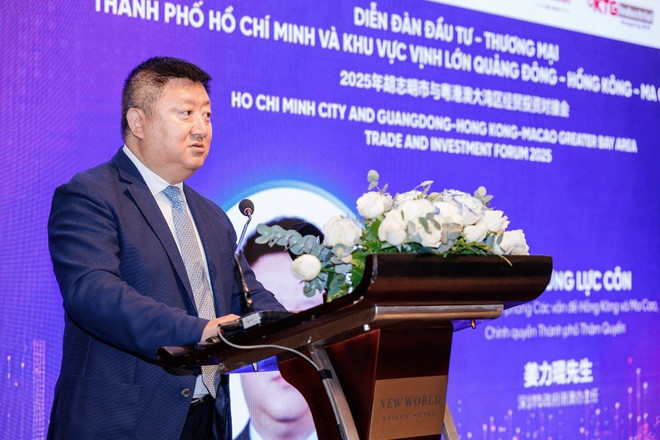
Zhang Chun, Head of Business Development and Professional Services at the Qianhai Authority, highlighted Qianhai’s position as a “special zone within a special zone” and a key gateway for Vietnam–GBA collaboration. Strategically located within the Greater Bay Area, Qianhai offers rapid access to Hong Kong and Macau, strong transport infrastructure, and a well-developed ecosystem of 18 industrial clusters focused on modern services, cross-border e-commerce, and technology. She emphasised Qianhai’s legal and tax incentives, including China’s first regional investor protection law and mechanisms allowing international law in dispute resolution. With comprehensive support platforms like the Qianhai International Business e-Station and close cooperation with Hong Kong on IP protection, Qianhai is an ideal destination for Vietnamese enterprises seeking innovation, legal transparency, and market expansion.
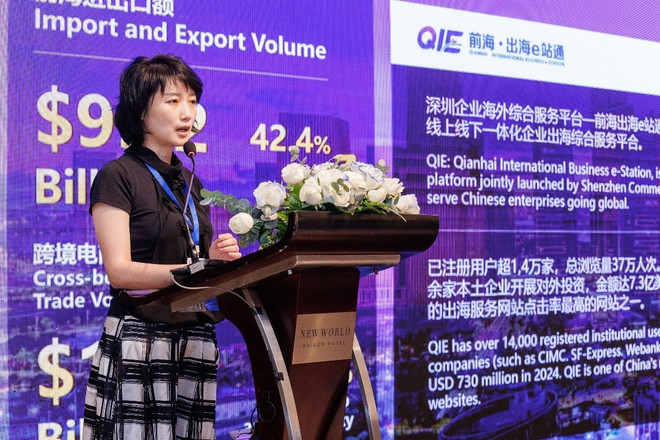
Representing the Hong Kong Government, Owin Fung, Director of HKETO in Singapore, shared the city’s experience in developing as an international centre, highlighting its role as a capital market for global businesses, including those from Vietnam.
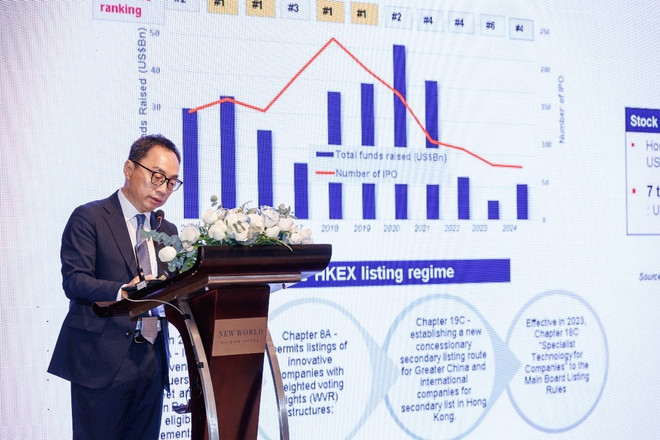
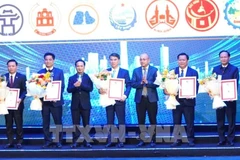
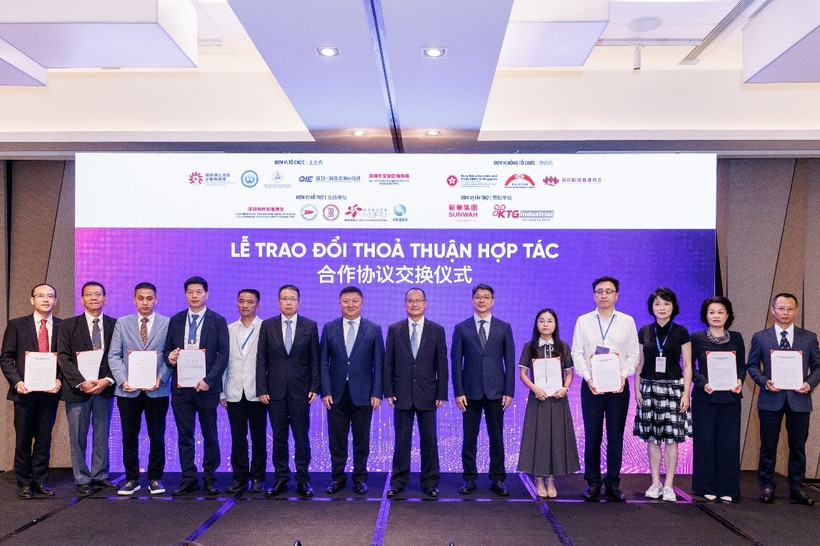
As part of the forum, a cooperation agreement was signed between the Shenzhen (Qianhai) International Business e-Station and the Vietnam Chapter of the GBA Entrepreneurs Alliance. This was alongside the launch of the Vietnam Centre of the Shenzhen (Qianhai) International Business e-Station, marking a major step in strengthening bilateral trade and investment ties. Additionally, several other cooperation agreements were signed between Chinese and Vietnamese enterprises, paving the way for practical collaboration in agriculture, trade, and manufacturing./.