Hanoi (VNA) - Just wearing sandals and still reaching the highest peak in Vietnam – and even being able to join an online meeting amid the clouds with high-speed internet – these are the details that have left Japanese media genuinely surprised after experiencing the Fansipan cable car.
In recent articles, several Japanese media outlets such as Kyodo News and NNA Power Asia have shown particular interest in the experience of conquering Fansipan in Sa Pa – not through days-long trekking routes, but via a modern cable car system that effortlessly carries visitors to the “Roof of Indochina”.
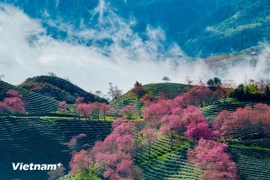
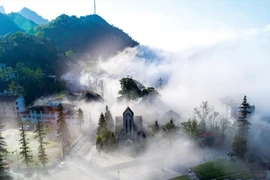
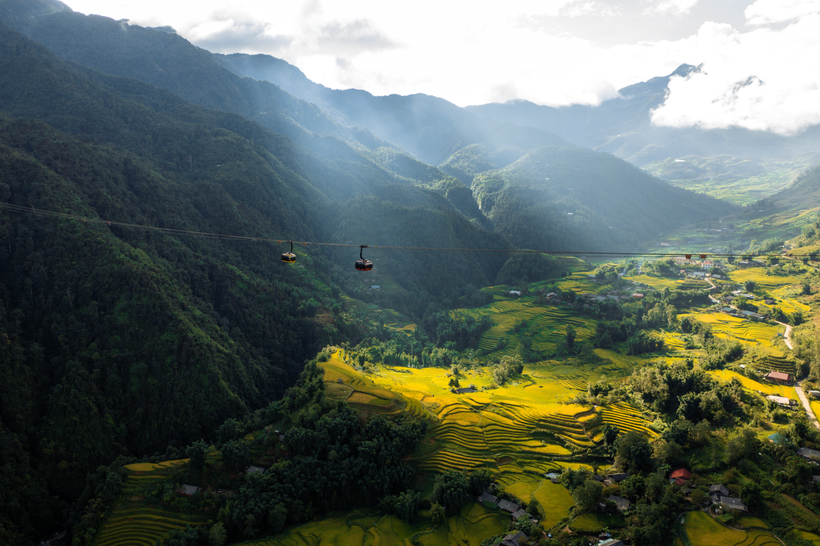
According to Japanese reporters, the three-wire cable car route to the summit of Fansipan – the highest peak in Vietnam and Indochina – makes a strong impression thanks to its vertical elevation difference of more than 1,400 metres between the departure and arrival stations, a record once recognised by Guinness World Records. From the cabin, the journey takes visitors through seas of clouds covering the Hoang Lien Son range, opening up an entirely different perspective on Vietnam’s north-western mountains. “Just minutes after the cabin leaves the station, Sa Pa’s iconic terraced rice fields appear right below, stretching along the mountain slopes in a scene ‘so beautiful it leaves you in awe’,” a Kyodo News correspondent wrote.
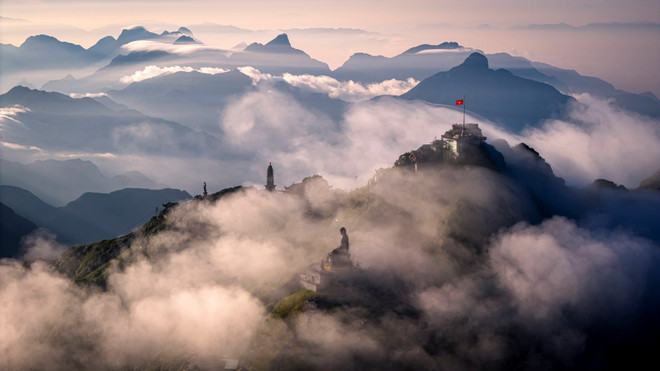
After around 20 minutes of travel, visitors arrive at the terminal station near the summit. What surprised Japanese journalists was not only the scenery or the noticeably colder air, but also the rare level of convenience at such altitude: the highest mountain in Vietnam features souvenir shops, cafés, and, notably, stable internet connectivity.
According to NNA Power Asia, this element creates an “unusual” experience for many international visitors. One Japanese tourist shared that he was able to admire the surrounding mountains while simultaneously joining online meetings, turning the summit of Fansipan into a rare “workspace among the clouds” in Asia.
The articles also devote considerable space to describing the impressive scenery at the peak, where a marker denotes the highest point in Vietnam. According to Japanese newspapers, the beauty and elevation of Fansipan evoke “the bold and expansive spirit of Vietnam”.
However, what fascinates Japanese media most about the Fansipan cable car experience is the idea of “reaching the summit without climbing”. “It is easy to spot visitors wearing light trousers or sandals,” Japanese outlets observed. According to a German tourist interviewed, even elderly visitors can make it to the summit. “If you were to walk, it would probably take several days,” the visitor remarked.
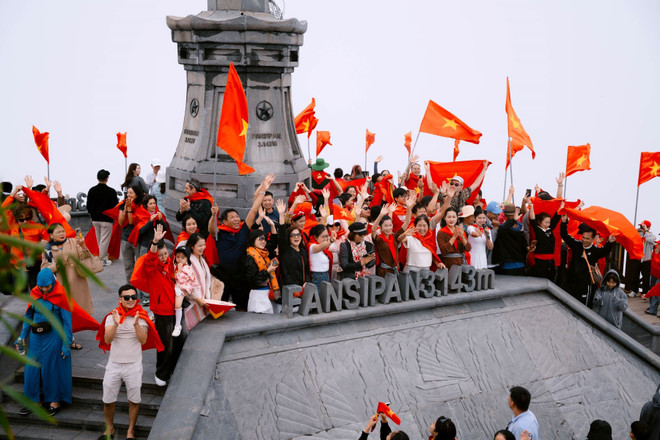
From a broader perspective, the articles place the Fansipan cable car within the wider context of Sa Pa’s transformation. The groundbreaking of the Fansipan cable car project in 2013 and its launch in 2016 are seen as a major turning point.
More than a decade ago, Fansipan was primarily a destination for trekking enthusiasts, with multi-day climbs that required significant physical endurance and time. In 2012, Sa Pa welcomed just over 500,000 visitors in an entire year, with an average stay of less than two days. Since 2016, when the Fansipan cable car began operating, visitor numbers to Sa Pa and Lao Cai have recorded clear growth. In its first year of operation alone, Sa Pa surpassed one million visitors for the first time; between 2016 and 2019, total tourist arrivals to Lao Cai rose sharply compared to earlier periods. This growth momentum has continued in recent years, reflected in Sa Pa welcoming hundreds of thousands of visitors during peak holiday periods.
From the perspective of Japanese media, the Fansipan cable car is not merely an infrastructure project, but a symbol of how Vietnam’s tourism industry is expanding access to natural values once considered highly “selective”. Being able to reach the “Roof of Indochina” in under half an hour – without trekking or special physical demands – has transformed a once arduous conquest into a widely accessible experience that still retains its emotional impact. And it is precisely this striking contrast between the “highest peak in Indochina” and everyday images such as sandals, cafés, or online meetings among the clouds that continues to draw the attention of Japanese media in their recent coverage of Fansipan./.