Hanoi (VNA) – Vietnam’s logistics development strategy for the 2025 – 2035 period, with a vision to 2050, is a crucial step to position the logistics industry as one of the most important drivers of economic growth.
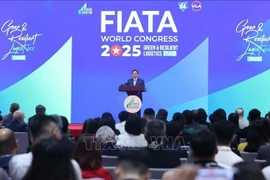
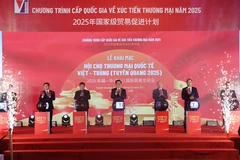
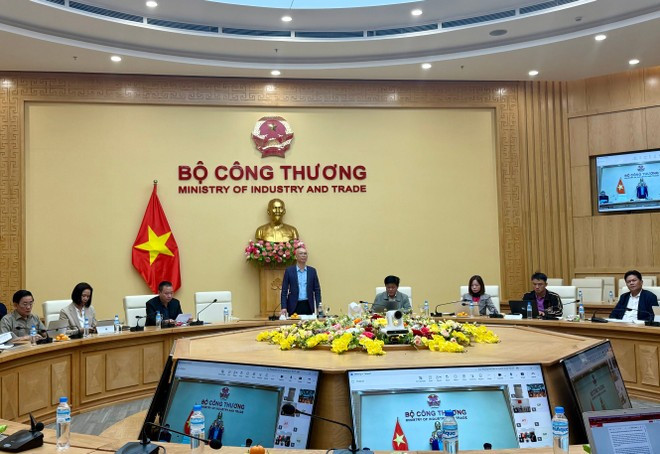
The Ministry of Industry and Trade (MoIT) hosted a conference in Hanoi on November 21 to deploy Vietnam’s logistics development strategy for the 2025 – 2035 period, with a vision to 2050.
This is the first logistics strategy initiated by the Government, marking a milestone in positioning the industry as a key driver of the national economy.
Logistics: key economic sector
Long regarded as the “backbone” of the economy, logistics connects industries and drives trade. Tran Thanh Hai, Deputy Director of the MoIT’s Foreign Trade Agency, stated that Vietnam’s logistics development strategy for the 2025–2035 period, with a vision to 2050, demonstrates the Government’s strong commitment to the sector.
Logistics has long been considered the “backbone” of the national economy, connecting industries and facilitating trade.
The strategy reflects the Government’s strong commitment to the sector, Hai said, stressing that logistics is not only an important economic sector but also plays a crucial role in supporting the development of other industries.
According to Dr. Bui Ba Nghiem, a senior specialist at the Foreign Trade Agency, this strategy not only establishes a comprehensive policy framework but also opens opportunities for Vietnam to become a regional and international logistics hub. He said logistics is identified as a spearhead economic sector, capable of maximising the capacity of localities, promoting regional connectivity and global integration.
The strategy aims for logistics to contribute 5–7% of GDP, grow 12–15% annually, cut costs to 12–15% of GDP in the next ten years, and place Vietnam among the top 40 countries in the Logistics Performance Index (LPI) by 2035. Five international-standard logistics hubs will be established in the country, with 70% of the workforce skilled, positioning logistics as a key economic sector to boost competitiveness and support the formation of a knowledge-based, green, and digital economy.
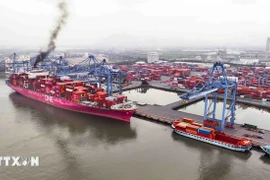
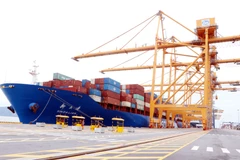
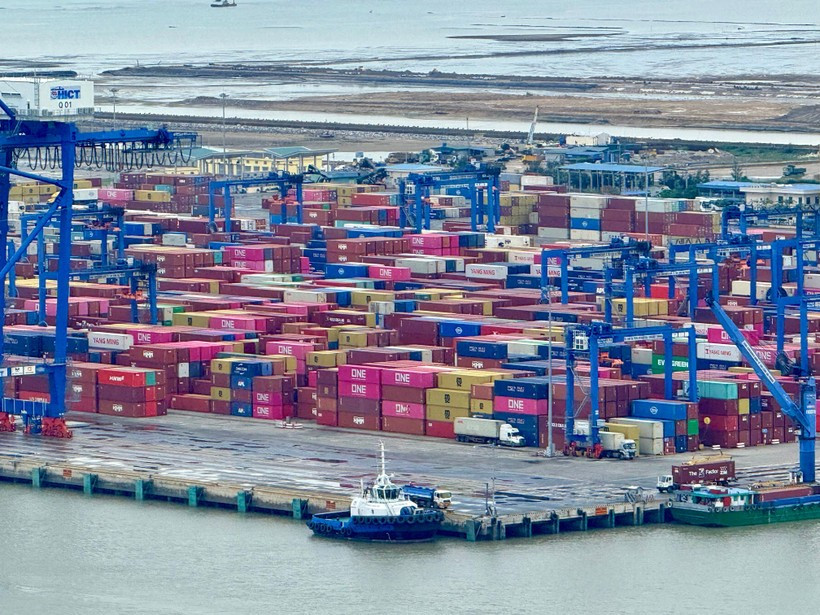
Regarding infrastructure, the strategy focuses on developing a modern and synchronous system, prioritising large-scale logistics hubs in key economic regions. Seaports, airports, inland ports, and international rail networks will be significantly upgraded. Special attention is given to e-commerce logistics, smart warehouses, and green urban logistics to reduce transport costs and enhance supply chain efficiency.
The strategy also highlighted the importance of regional connectivity, establishing logistics hubs in the Red River Delta, Southeastern, and Central regions, with key growth poles being Hanoi, Hai Phong, Ho Chi Minh City, and Da Nang. Major economic corridors will be linked through modern infrastructure to strengthen regional and international connectivity.
Ways to address infrastructure, policy, and connectivity bottlenecks
Participants also mentioned many challenges facing Vietnam’s logistics sector.
Dao Trong Khoa, Chairman of the Vietnam Logistics Business Association (VLA), said the industry has maintained an impressive annual growth of 14–16%, with a market size of 70–80 billion USD and over 45,000 participating enterprises.
The VLA, with over 800 members, controls 70–80% of the core market. The association has actively implemented its strategy through the Green Logistics - ESG project, the AgriLogistics project, the establishment of a representative office in Can Tho, and the launch of the Logistics Innovation Centre.
However, not everything is smooth. Business representatives noted that reducing logistics costs requires addressing three key factors simultaneously - infrastructure, regulatory framework, and connectivity.

Dang Thi Minh Phuong, President of the Logistics and Sea Ports Association of HCM City, noted that Vietnam’s logistics costs remain significantly higher than those of regional peers. She attributed this mainly to the “lack of synchronisation” between planning and implementation.
Although plans have been developed, the progress of key infrastructure projects, gateway hubs, seaports, and interregional transport, remains slow, limiting real reductions in logistics costs.
Sharing Phuong’s view, Tran Duc Nghia, President of the Hanoi Logistics Association, said that despite Vietnam’s strategic geographic location, many existing regulations erode this advantage. Issues related to transport, inspection, customs, and specialised inspections remain problematic, creating difficulties for businesses.
The strategy marks a crucial step toward making the logistics industry a key driver of economic growth. However, achieving these goals requires close coordination between the Government, businesses, and industry associations to address challenges in infrastructure, regulations, and human resources, said insiders./.