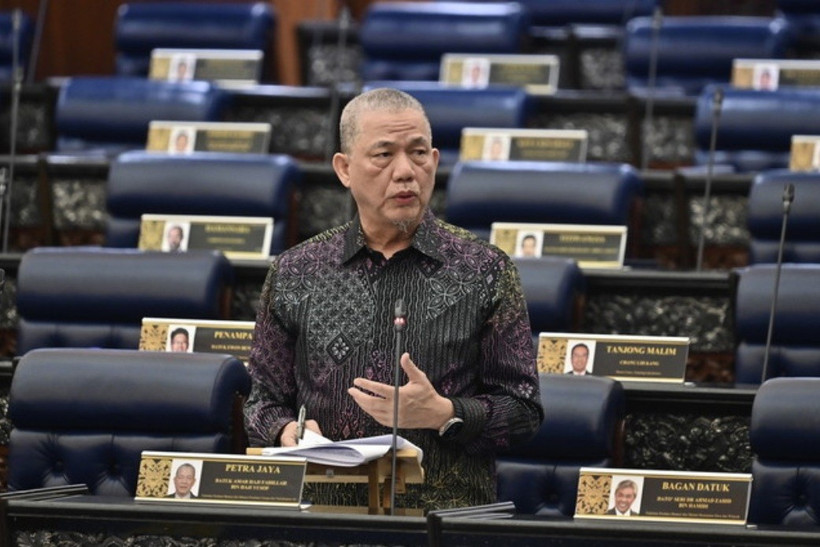
Kuala Lumpur (VNA) - The Energy Transition and Water Transformation Ministry (PETRA) of Malaysia will focus on accelerating the shift towards renewable energy (RE) and strengthening national water resource management, according to Malaysian Deputy Prime Minister Datuk Seri Fadillah Yusof.
The official was quoted by local media as stating that Malaysia remains committed to achieving its target of generating 70% of the country’s electricity capacity from renewable sources by 2050 as outlined in the National Energy Transition Roadmap (NETR).
The country has reached 31% installed RE capacity as of October and the target will be raised to 35% by 2030 under the 13th Malaysia Plan (13MP).
To reach this target, the Indonesian Government will expand several strategic initiatives, including the launch of the Large-Scale Solar Programme (LSS 6) in early 2026, an additional 300-megawatt quota for biogas, biomass and small hydro under the Feed-In Tariff (FiT) scheme, and the introduction of the Corporate Renewable Energy Supply Scheme (CRESS).
This will enable consumers to source green energy directly from producers, he said.
Fadillah said the implementation of the Solar ATAP (Accelerated Transition Action Programme) scheme will also be expanded to allow more consumers to generate their own electricity.
Meanwhile, the Community Renewable Energy Aggregation Mechanism (CREAM) programme will enable communities to generate energy collectively through aggregated rooftop solar systems, while the Low Carbon Energy Generation Programme (LCEGP) aims to diversify non-solar RE sources such as biogas, biomass and small hydropower.
For the water sector, Fadillah said PETRA will prioritise strengthening the National Water Policy through an integrated strategy to ensure long-term water security and to position the sector as a new economic driver.
He said under the policy, PETRA aims to shift the national view of water from a social resource to a dynamic economic asset capable of generating high value./.