No case of Zika infection reported in Vietnam

No cases of Zika fever have been reported in Vietnam so far, but there is a high risk that the virus may enter the country due to the presence of Aedes mosquitos which transmit the virus, and trade, t
No case of Zika infection reported in Vietnam ảnh 1Travellers' body temperature scanned at a border gate (Source: VNA)

Hanoi (VNA) – No cases of Zika fever have been reported in Vietnam so far, but there is a high risk that the virus may enter the country due to the presence of Aedes mosquitos which transmit the virus, and trade, tourism and labour exchanges between Vietnam and countries worldwide.

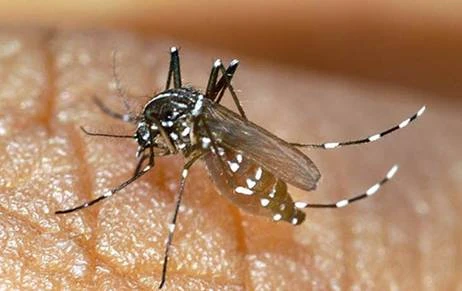
The Preventive Medicine Department said on January 27 that Zika virus, transmitted to humans through Aedes mosquitoes which are also the main carriers of dengue fever, is spreading rapidly, especially in Latin America.

Since the first case of Zika infection was confirmed in Brazil in May 2015, the virus has circulated in 21 countries and territories in Latin America by January 23, 2016.

The department explained that anyone who had not previously been exposed to the virus may become infected. Because, Aedes mosquitos are present in most Latin American nations.

Therefore, the department said, the World Health Organisation (WHO) in Latin America has warned that Zika virus will continue to spread to almost countries and territories in the region.

Against the backdrop, the Heath Ministry has regularly contacted the WHO in Vietnam to learn about the development of the virus and countermeasures while instructing epidemic prevention institutions to keep a close watch on the domestic situation.

The ministry warned people travelling from Zika-striken countries that they should keep an eye on their health in the first 14 days after arrival to Vietnam. They should go to the nearest medical facility when they begin to experience fever symptoms.

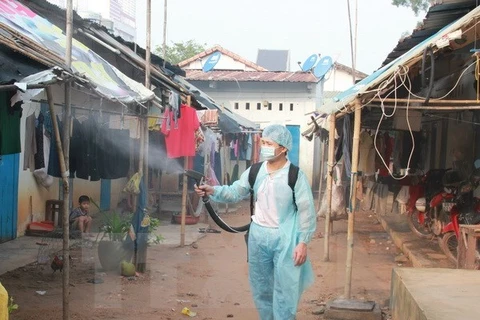
It is also recommended that people should use mosquito chemical repellent and securely cover all containers of water to prevent mosquitoes from entering them and laying eggs.

According to the WHO, Zika can be transmitted through blood, but this is an infrequent mechanism. Standard precautions that are already in place for ensuring safe blood donations and transfusions should be followed.

Evidence on mother-to-child transmission of Zika during pregnancy or childbirth is also limited. Research is currently underway to generate more evidence regarding perinatal transmission and to better understand how the virus affects babies. There is currently no evidence that Zika can be transmitted to babies through breast milk.-VNA
VNA

See more

An ambulance from the pre-hospital emergency care service in Phu Quoc special zone in An Giang province. (Photo: VNA)

Pre-hospital emergency care system to be launched nationwide

From 2027, the national pre-hospital emergency management platform will be put into operation, connecting data with the 113, 114 and 115 emergency call systems to facilitate rapid emergency dispatch and improve public access to emergency services.

Foreign patients travel to Vietnam for robotic cancer surgery at one-tenth of US costs

Foreign patients travel to Vietnam for robotic cancer surgery at one-tenth of US costs

With robot-assisted surgery costing tens of thousands of dollars in the US and Singapore, a growing number of international patients are traveling to Vietnam for robotic cancer surgery, including procedures for prostate, gynecological and gastrointestinal cancers, using the US made da Vinci Xi system at costs starting from just 3,000 USD.

Under a phased rollout beginning in 2026, every resident in Ho Chi Minh City will receive at least one annual health check-up or health screening. (Photo: VNA)

Ho Chi Minh City develops integrated multi-tier healthcare system

Under the new model, healthcare is organised into interconnected levels based on people's needs rather than administrative boundaries. Patients can move seamlessly between levels while their electronic health records and treatment information remain connected through digital platforms, referral systems, telemedicine, electronic medical records, and integrated health databases.

Doctors conduct heart and lung examinations for workers. (Photo: VNA)

Draft policy encourages people to prepare for old age from middle age

A draft circular guiding the implementation of the National Target Programme on Health Care, Population and Development (2026-2035) marks a shift from focusing solely on elderly care to encouraging healthy and independent ageing through early preparation. It covers healthy lifestyles, regular health check-ups, financial planning, suitable employment and home-based elderly care skills.

The meeting between the Vietnam Military Medical University delegation and leaders of the Lao Ministry of National Defence in Vientiane (Photo: VNA)

Vietnam, Laos deepen military medical cooperation

Since 1954, Vietnam Military Medical University has trained 687 Lao military medical personnel, including 322 doctors, 67 master's degree holders, 10 doctorate holders, and dozens of specialist physicians, alongside hundreds of pharmacists and medical technicians.

Vietnam's first penis transplant from a brain-dead donor is successfully performed at Viet Duc University Hospital. (Photo published by VNA)

Vietnam reaches new milestone in reconstructive transplant surgery

As the first operation of its kind in Vietnam, the hospital spent months developing treatment protocols, studying international experience and assembling a multidisciplinary team that included experts in transplantation, andrology, microsurgery, anaesthesia, immunology and pathology.

Dr. Nguyen Thanh Xuan is performing brain surgery on a patient (Photo published by VNA)

National strategy aims to build advanced medical ecosystem

Vietnam's adjusted healthcare network master plan for 2021–2030, with a vision to 2050, also outlines a regional structure covering the country's six socio-economic regions. It envisages 17 provincial general hospitals serving regional functions, at least one highly specialised hospital in each region, and at least one advanced medical facility in every province and city.