Quang Tri (VNA) — In its determined efforts to combat illegal, unreported and unregulated (IUU) fishing, Quang Tri province is tightening supervision, from fishing ports to offshore grounds. Alongside strict monitoring of unqualified vessels, the province is encouraging livelihood transition to foster a sustainable and efficient fisheries sector.
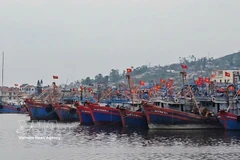
As of now, 134 fishing vessels in the province do not meet operational requirements. Of these, 32 have no equipment and are completing de-registration procedures; 102 remain afloat but are not qualified to go to sea. The highest concentrations are found in Dong Trach (20 vessels), Nam Gianh (18), Hoa Trach (17), Dong Hoi (12) and Cua Viet (5).
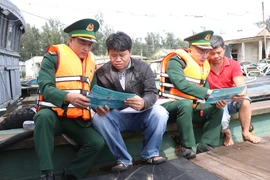
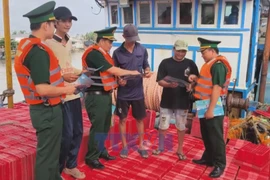
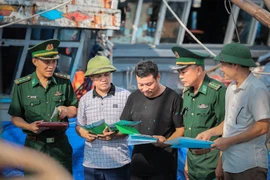
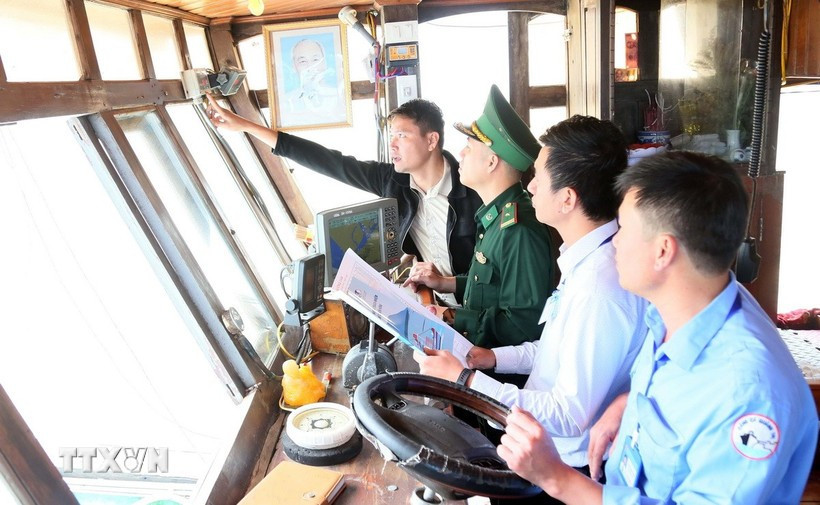
The Fisheries and Fishery Surveillance Sub-department has instructed commune authorities to place identification tags, seal vessels and assign staff to monitor them, ensuring they cannot engage in fishing activities. Border guard stations have been tasked with strengthening inspections and preventing violating vessels from leaving the port.
In Cua Viet commune, all five unqualified vessels are anchored and strictly supervised. Commune staff must take weekly photos to confirm compliance and send them to the Sub-department.
According to Tran Xuan Tien, head of the Sub-department, Quang Tri will strictly prevent all unqualified vessels from operating to maintain IUU fishing prevention results. Localities are required to seal vessels, continuously monitor them, and disclose the list of unqualified vessels to encourage community supervision.
Authorities are simultaneously guiding vessel owners to monitor permit validity, safety certifications and food safety approvals to avoid slipping into non-compliant status. The Department of Agriculture and Environment has been urged to expedite paperwork to ensure qualified vessels can access fishing grounds legally.
To support IUU fishing combat and promote sustainable fisheries, Quang Tri is encouraging owners of outdated or non-operational vessels to shift to alternative livelihoods such as aquaculture, fishery logistics, community-based tourism, or overseas employment.
Such a transition reduces pressure on marine resources while securing more stable income for fishing families. In several localities, aquaculture has become an effective and sustainable choice.
In Nam Cua Viet, 812 hectares are dedicated to aquaculture, generating high income and illustrating the benefits of economic restructuring linked to blue economy development.
In Phu Trach, the province has supported HDPE cage farming of cobia and grouper since 2022, expanding from six households to 12 farming units on 5 hectares of nearshore waters. Households raise 1,000–5,000 fish per cycle, earning 100–200 million VND (7,600 USD) per year. A cooperative formed in 2024 has strengthened value chain linkages and product marketing.
Permanent Vice Chairman of the provincial People’s Committee, Hoang Nam, has called for stricter port supervision, improved infrastructure, and tailored livelihood transition plans for each region. For vessels with incomplete paperwork, authorities have been urged to speed up certification processes to help fishermen operate legally while supporting the protection of national maritime sovereignty./.